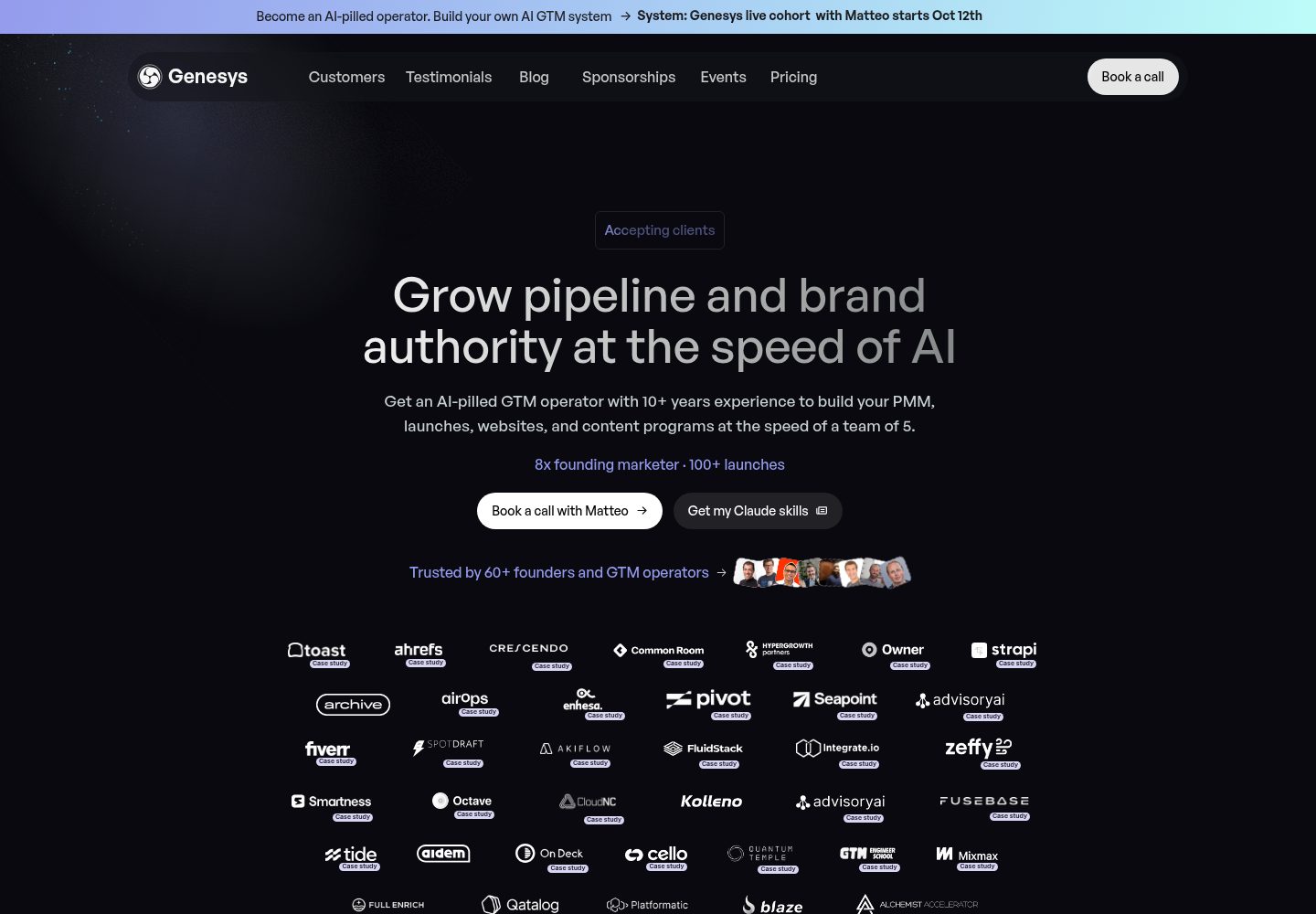
Each client has separate context/ and outputs/ folders, and the root CLAUDE.md requires Claude to confirm the client before reading or writing
HTMLSaaSCorporate Website
repo-structure-agency — HTML SaaS Template
By matteotitta
A Claude Code workspace template for agencies and consultants that creates a separate context folder for each client, avoids mixing client information, and provides 11 context-building skills with a supporting directory structure.
Explore the design
Compare the page layouts and mobile experience. Open any screenshot for a closer look.
Desktop homepage1 / 3
Desktop captureTop of page
Actual screenshot captured by the server browser.
All pages & views 3
Screenshots show visual appearance; interactive behavior may differ.
Recorded 2026-10-14View source
What stands out
A quick read of the recorded project description.
Includes 11 built-in context skills covering ICP research, competitor research, win/loss, tone-of-voice guidelines, brand kit, positioning, messaging, funnel strategy, and goals
Provides a populated example client, clients/active/pulse-analytics/, to make it easier to understand what each context file should contain
clients/_template/ can be copied for new clients, clients/previous/ retains ended engagements, and clients/prospects/ stores discovery notes and proposals
Supports enhanced web research by configuring an Exa key in .env, and falls back to ordinary web search when not configured
Includes workflows/, library/taste/, and four short rules in .claude/rules/, including client data handling rules
Template Details
This is a Claude Code workspace repository template designed for agencies and consultants. It stores the agency's own business (my-agency/) separately from each client (clients/), and each client has its own context/ and outputs/ folders. The root CLAUDE.md makes Claude ask which client is current before reading or writing, thereby preventing different clients' positioning and information from contaminating each other. The README states that the template includes 11 context skills (such as /company-context, /icp-research, /competitor-research, /win-loss, /expert-pov, /tov-guidelines, /brand-kit, /positioning, /messaging, /funnel-strategy, /goals) plus /level, and provides a populated example client, pulse-analytics, for reference.
For usage, the README gives three steps: create a repository from the template, read the example client, and copy clients/_template/ to clients/active/<client>/ and run the skill chain in order to complete the client context setup. Web research works better when an Exa key is configured in .env; without a key, the skills fall back to ordinary web search. The template also includes workflows/, library/taste/, and four short rules in .claude/rules/ (including client data handling). The README mentions that the full version (course version) additionally provides the complete skill library, client discovery/proposal/onboarding commands, agents that chain skills, and live classes, but it does not explain the specific implementation details of these items in this template.
Regarding limitations: the README does not state whether the template is production-ready, its performance, or dependencies on specific framework versions; the preview screenshots only prove that actual screenshots exist, not that the pages function.
HTMLSaaSCorporate website
Is it right for your project?
Use Cases
- An agency serving multiple clients at the same time needs to maintain separate, unmixed marketing context for each client
- A consultant conducts preliminary work such as ICP research, competitor research, positioning, and messaging architecture for different clients
- Move materials from completed client engagements into clients/previous/ for later reuse
- Record discovery notes and proposals for prospective clients in clients/prospects/
- Build positioning and content context for the agency's own business (my-agency/)
Suitable For
- Marketing agency teams
- Independent marketing consultants
- Claude Code users who need to maintain separate context and outputs for multiple clients
- Practitioners who want to isolate AI workspaces by client and retain historical engagement materials
Getting started & customization
Use these recorded setup notes alongside the repository instructions for your chosen version.
- 1
Create a private repository from the template via GitHub's Use this template button or the gh repo create command, then clone it
- 2
Read the example client clients/active/pulse-analytics/ to understand how to fill in each context file
- 3
Copy clients/_template/ to clients/active/<client>/, state the current client in Claude Code, and then run the context skill chain in order
- 4
To enhance web research, copy env to .env and enter an Exa key; without a key, the skills fall back to ordinary web search
- 5
Run the skill chain in my-agency/ as well to establish the agency's own positioning and content context
License & source material
Usage conditions & limitations
Free to use · keep license noticeThis entry covers the free version under the MIT license in the public repository; the free scope is the code of this version and does not mean that external services or third-party materials are free.
Must comply with when using
- Free use, modification, commercial use, and distribution of this version's code are permitted.
- When distributing copies or substantial portions of the code, retain the original author's copyright notice and the complete MIT license notice.
- The code is provided as is; warranties and limitations of liability are governed by the original license and applicable law.
Additional costs & items to verify
- Demo images, fonts, icons, and other third-party materials must be checked against their respective licenses and cannot be judged solely by the code's MIT license.
- External services such as domains, hosting, databases, payments, or AI may incur separate charges.
- Web research works best when an Exa key is configured in .env; when no key is configured, the skills fall back to ordinary web search with limited functionality.
- This repository is the free version and includes only some skills; the complete skill library, client discovery/proposal/onboarding commands, chained agents, and live classes require enrolling in the paid course Marketing Engineering University.
- The free skills omit reference materials and output templates; the complete skill library is provided only in the paid course version.
- Client discovery, proposal, and onboarding commands, as well as agents that chain skills, are provided only in the paid course version and are not included in the free template.
- Live classes (building on real clients) are part of the paid course content and are not provided in the free template.
View Original Text Basis
Permission is hereby granted, free of charge
Original License Text
Web research works best with an [Exa](https://exa.ai) key in `.env` (copy `env` to `.env`). Without one, the skills fall back to plain web search.
Original README
This is the free shape of the agency workspace students build in [Marketing Engineering University](https://maven.com/matteo-tittarelli/marketing-engineering-university-genesys-growth). The course version adds:
Original README
- the full skill library, with the reference material and output templates these free skills leave out
Original README
- client commands for discovery, proposals and onboarding, plus agents that chain the skills
Original README
https://github.com/matteotitta/repo-structure-agency/blob/main/LICENSEhttps://github.com/matteotitta/repo-structure-agency/blob/main/README.md- live sessions where you build it on a real client
Original README
Compiled by DeepSeek based on repository license and README ·2026-10-14. Results only cover the materials read; dependencies, images, fonts, and subsequent term changes are subject to their respective original texts.
Project checks & description sources
Template Information
- Source platforms
- GitHub
- Documentation and maintenance reference score
- More documented · 85 / 100
- Technologies
- HTML
- Website type
- SaaS · Corporate Website
How this score is calculated
Our heuristic uses license records (up to 30), a demo link (12), a preview (10), stars (15), recorded maintenance (15), description completeness (8), feature records (5) and classification data (5). It is not a code, security or performance test, or a Google score. A link does not establish tested functionality.
What to verify for this project
- Repository update recorded
- 2026-10-14
- Screenshot last checked
- 2026-10-14
A demo link is listed. Check it with your own content and viewport sizes; its presence does not confirm that forms, authentication or payments work.
The catalog identifies HTML as the primary stack. Check the actual dependency manifest and lockfile for versions and hosting requirements. These notes use recorded metadata, not a code audit or a deployment test.
Use a selection guide →How this description was prepared
AI-assisted description based on catalog records and repository material. Repository authors are not automatically the reviewers of this description.
Review declaration: codex-user-requested-batch-review-20261015 · 2026-10-15
Inspect the recorded source material
SHA-256: 4591b2575c43aaac9fdc1758491b465394f818af634335712834ef57ccd9b788
2026-10-14T11:15:28.393Z
Source file / repository
# Repo structure for agencies and consultants
One Claude Code workspace for your own business and every client you serve. Each client gets their own context folder, so Claude never mixes one client's positioning into another's work. You don't rebuild the setup for every new engagement.
**[Use this template →](https://github.com/new?template_name=repo-structure-agency&template_owner=matteotitta)**
Marketing for one company? Use [repo-structure-in-house](https://github.com/matteotitta/repo-structure-in-house) instead.
---
## Start in three steps
1. **Create your copy.** Click *Use this template* above, or run:
```bash
gh repo create my-agency-os --template matteotitta/repo-structure-agency --private --clone
```
2. **Read the example client.** `clients/active/pulse-analytics/` is a made-up B2B SaaS client with every context file filled in.
3. **Onboard your first real client.** Copy `clients/_template/` to `clients/active/<client>/`, open Claude Code and say which client you're working on, then run:
```
/company-context → /icp-research → /competitor-research → /win-loss → /expert-pov
→ /tov-guidelines → /brand-kit → /positioning → /messaging → /funnel-strategy → /goals
```
Do the same in `my-agency/` for your own positioning and content.
Web research works best with an [Exa](https://exa.ai) key in `.env` (copy `env` to `.env`). Without one, the skills fall back to plain web search.
---
## What's inside
```
repo-structure-agency/
├── my-agency/ your own business
│ ├── context/ your ICP, positioning, offers, voice
│ └── outputs/ your own content, site and launches
├── clients/
│ ├── _template/ copy this for each new client
│ ├── active/
│ │ └── pulse-analytics/ example client, filled in
│ │ ├── context/ icp, competitors, positioning, messaging, brand,
│ │ │ expert-pov, win-loss, goals, docs
│ │ ├── outputs/ content, website, seo-aeo, social, product-marketing,
│ │ │ sales, paid, lifecycle, outbound
│ │ ├── latest.md where the engagement is now
│ │ └── history.md one line per meaningful change
│ ├── previous/ finished engagements, kept for reuse
│ └── prospects/ discovery notes and proposals
├── workflows/ recipes that chain several skills
├── library/taste/ work you admire, across clients
└── .claude/
├── skills/ the 11 context skills, plus /level
└── rules/ four short house rules, including client-data handling
```
**The idea:** the hard part of agency work with AI isn't the prompt. It's keeping six clients' context apart and current. Each client folder holds everything Claude needs for that client, and the root `CLAUDE.md` makes Claude ask which client before it reads or writes.
---
## Add skills for each lane
The 11 skills here build each client's context. Add the plugin for the work you sell. Each one reads the active client's `context/`:
| Lane | Plugin |
|---|---|
| Product launches, stories, case studies | [claude-marketing-launch](https://github.com/matteotitta/claude-marketing-launch) |
| Website score, sitemap, wireframes, copy | [claude-marketing-website](https://github.com/matteotitta/claude-marketing-website) |
| AI-answer and search visibility | [claude-marketing-aeo](https://github.com/matteotitta/claude-marketing-aeo) |
| LinkedIn profile, posts, carousels | [claude-marketing-linkedin](https://github.com/matteotitta/claude-marketing-linkedin) |
| Content strategy, long-form, newsletter | [claude-marketing-content](https://github.com/matteotitta/claude-marketing-content) |
Want to package your own method as skills? Start from [gtm-skill-template](https://github.com/matteotitta/gtm-skill-template).
---
## What the full version adds
This is the free shape of the agency workspace students build in [Marketing Engineering University](https://maven.com/matteo-tittarelli/marketing-engineering-university-genesys-growth). The course version adds:
- the full skill library, with the reference material and output templates these free skills leave out
- client commands for discovery, proposals and onboarding, plus agents that chain the skills
- live sessions where you build it on a real client
---
## Keep it alive
- Each client folder has one owner on your side.
- When an engagement ends, move it to `clients/previous/` and keep the docs.
- Every 90 days, spend 30 minutes pruning. See [`.claude/rules/quarterly-maintenance.md`](.claude/rules/quarterly-maintenance.md).
[`HOW-TO-OPERATE.md`](HOW-TO-OPERATE.md) has seven habits for getting real work out of Claude Code.
---
Built by [Matteo Tittarelli](https://www.linkedin.com/in/matteotittarelli/) at [Genesys Growth](https://genesysgrowth.com). MIT licensed: fork it, change it, use it with clients.
Explore similar templates
Compare previews and descriptions within the same stack and category.
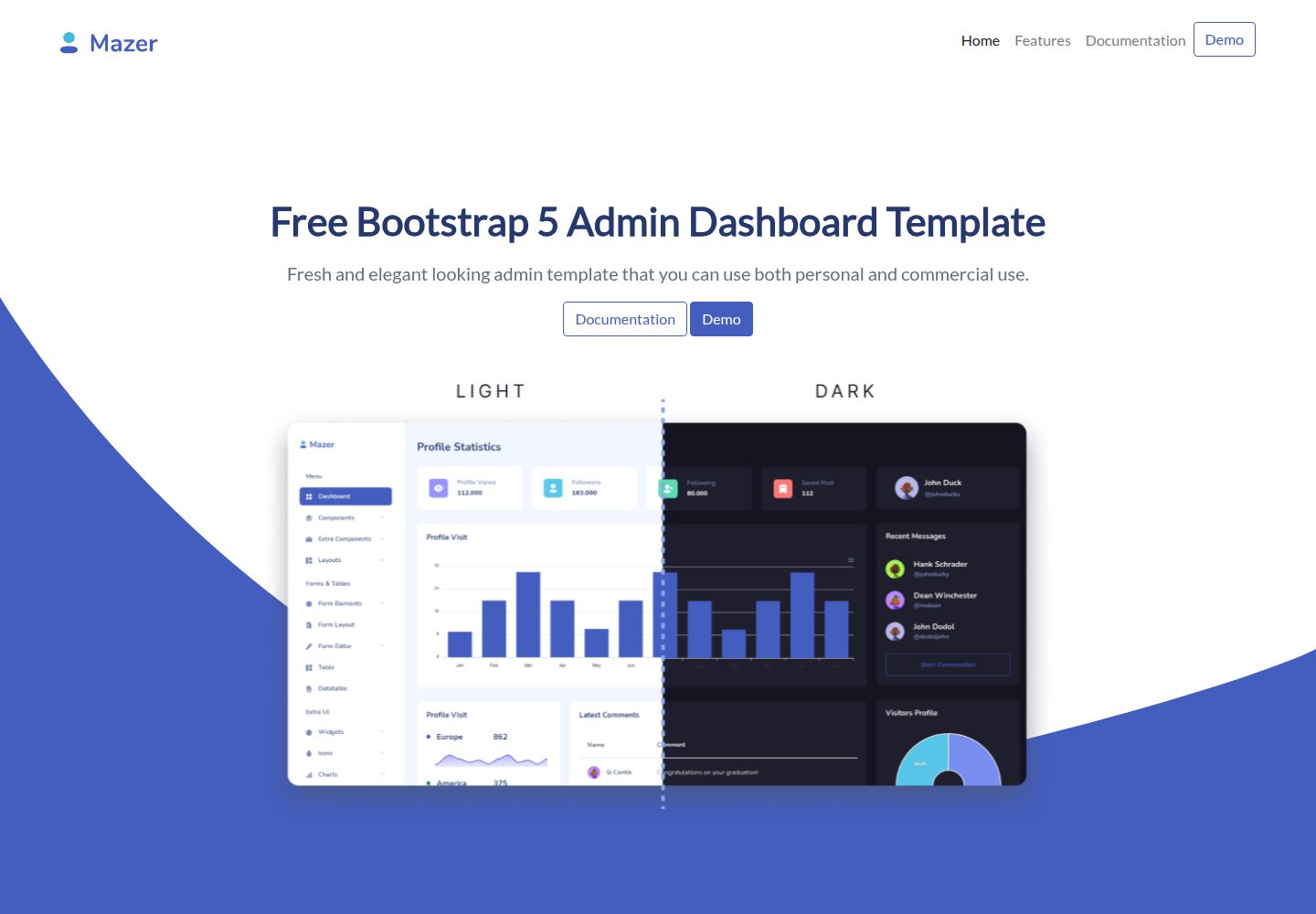
mazer
Mazer is a free and open-source Bootstrap 5 admin dashboard and landing page template that does not depend on jQuery. It provides prebuilt releases, source builds, and CDN inclusion, and includes dark mode, perfect-scrollbar, and ApexCharts examples.
HTML · Admin dashboard
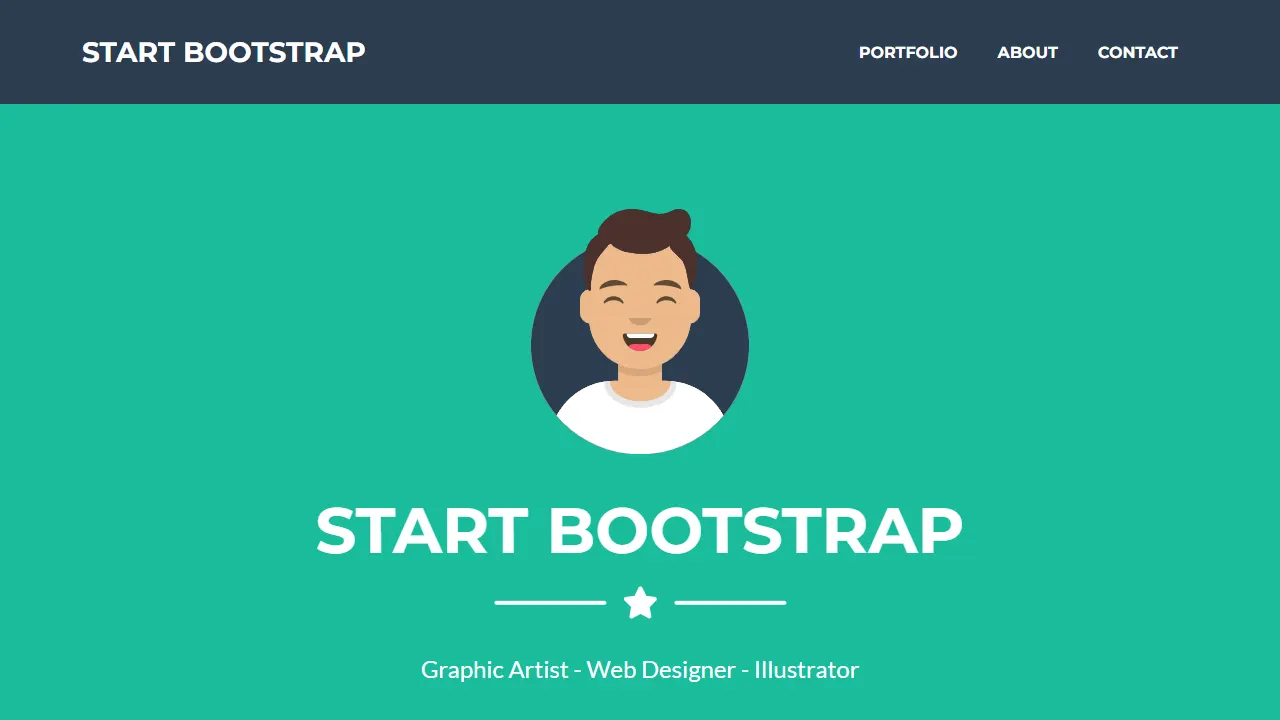
Freelancer
A bright, single-page Bootstrap portfolio template for freelancers, designers, and small studios. It includes a responsive portfolio grid with modal detail windows and an SB Forms contact form that requires an API token.
HTML · Portfolio
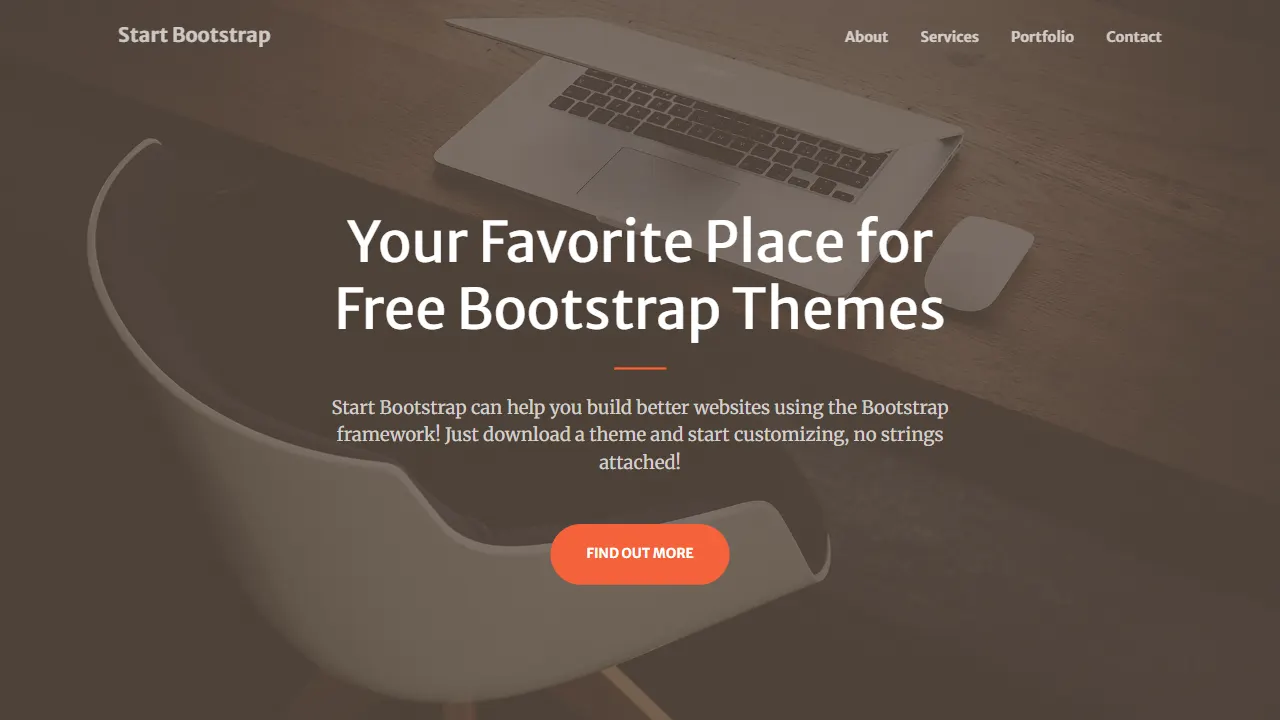
Creative
A single-page marketing template by Start Bootstrap for creative agencies and product services, built on Bootstrap with SCSS, featuring a portfolio grid and call-to-action sections. It includes pre-set SB Forms markers for form integration and npm build scripts for source customization.
HTML · Corporate Website
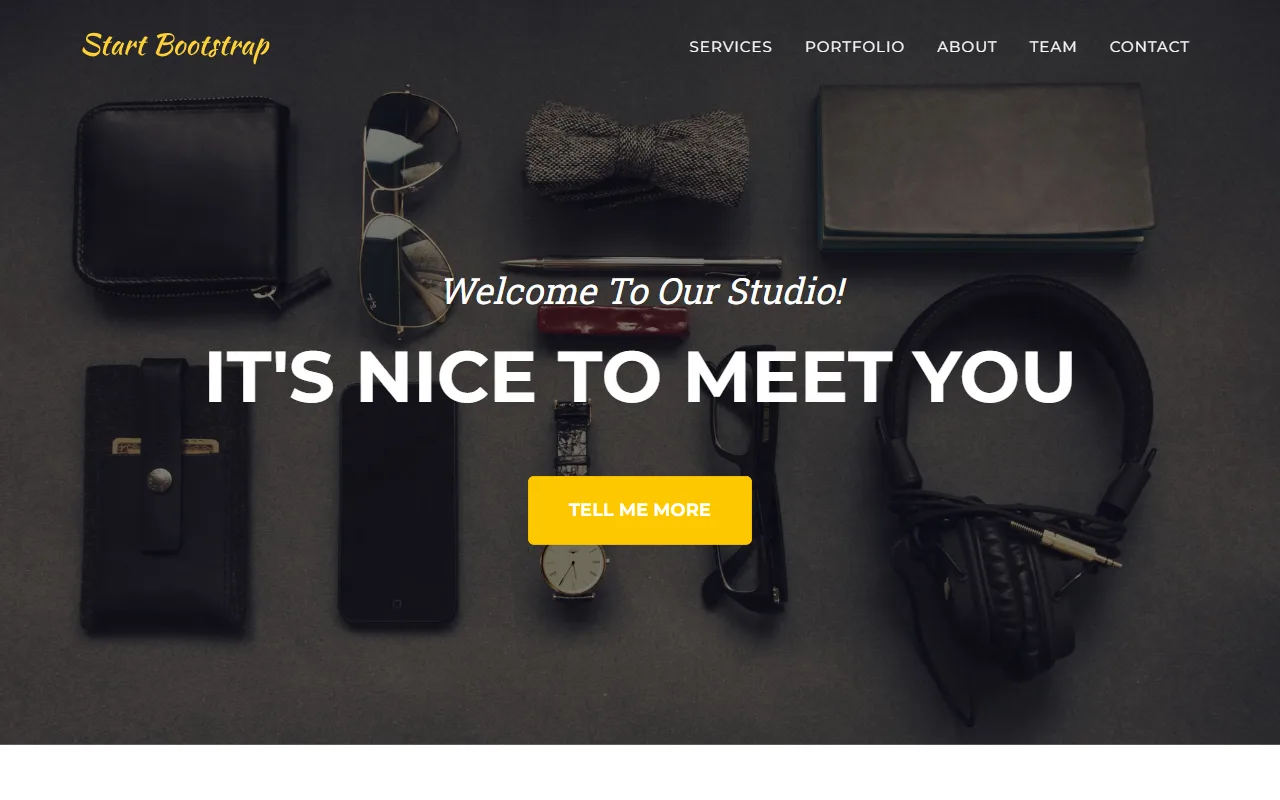
startbootstrap-agency
Agency is a one-page Bootstrap portfolio theme from Start Bootstrap, MIT licensed. It includes a responsive portfolio grid with modal details and a preconfigured SB Forms contact form that requires an API token.
HTML · Corporate Website
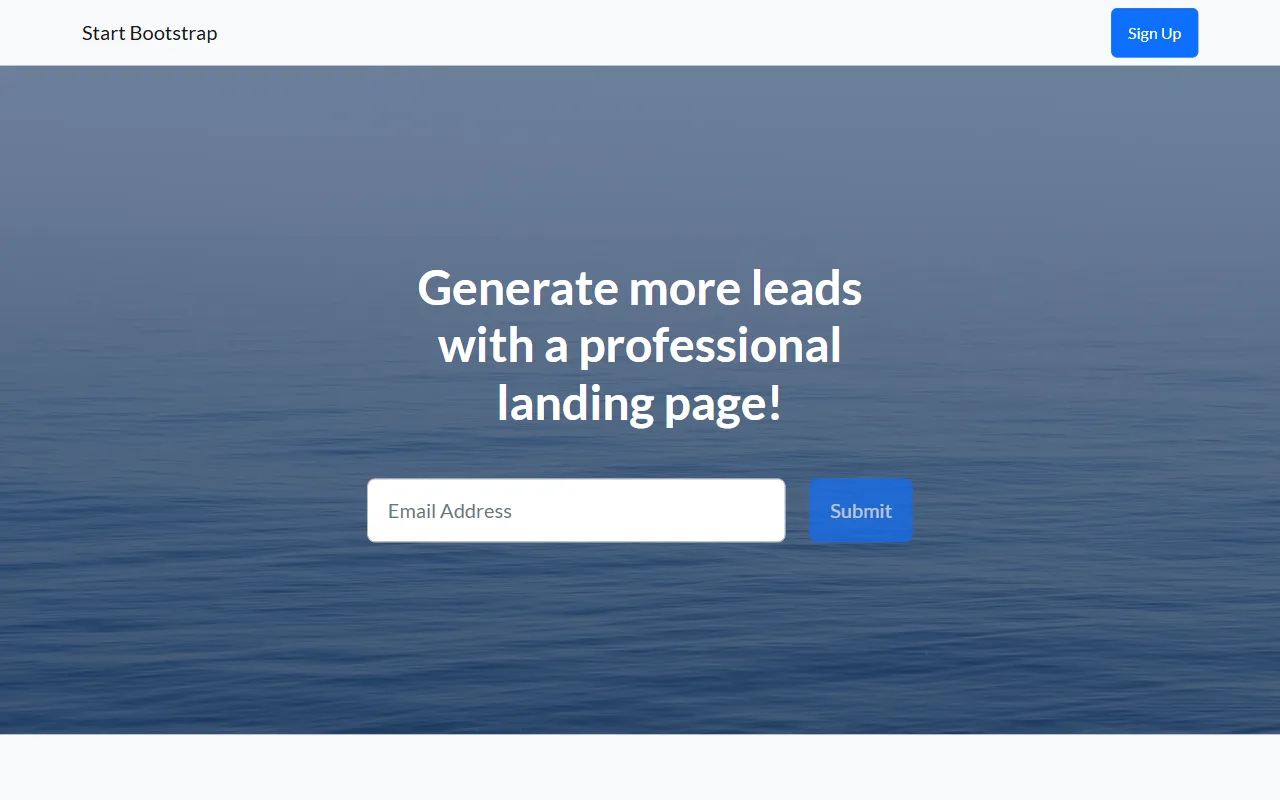
startbootstrap-landing-page
A general-purpose Bootstrap landing page template from Start Bootstrap, MIT licensed, with a Pug/SCSS/npm build pipeline.
HTML · Corporate Website
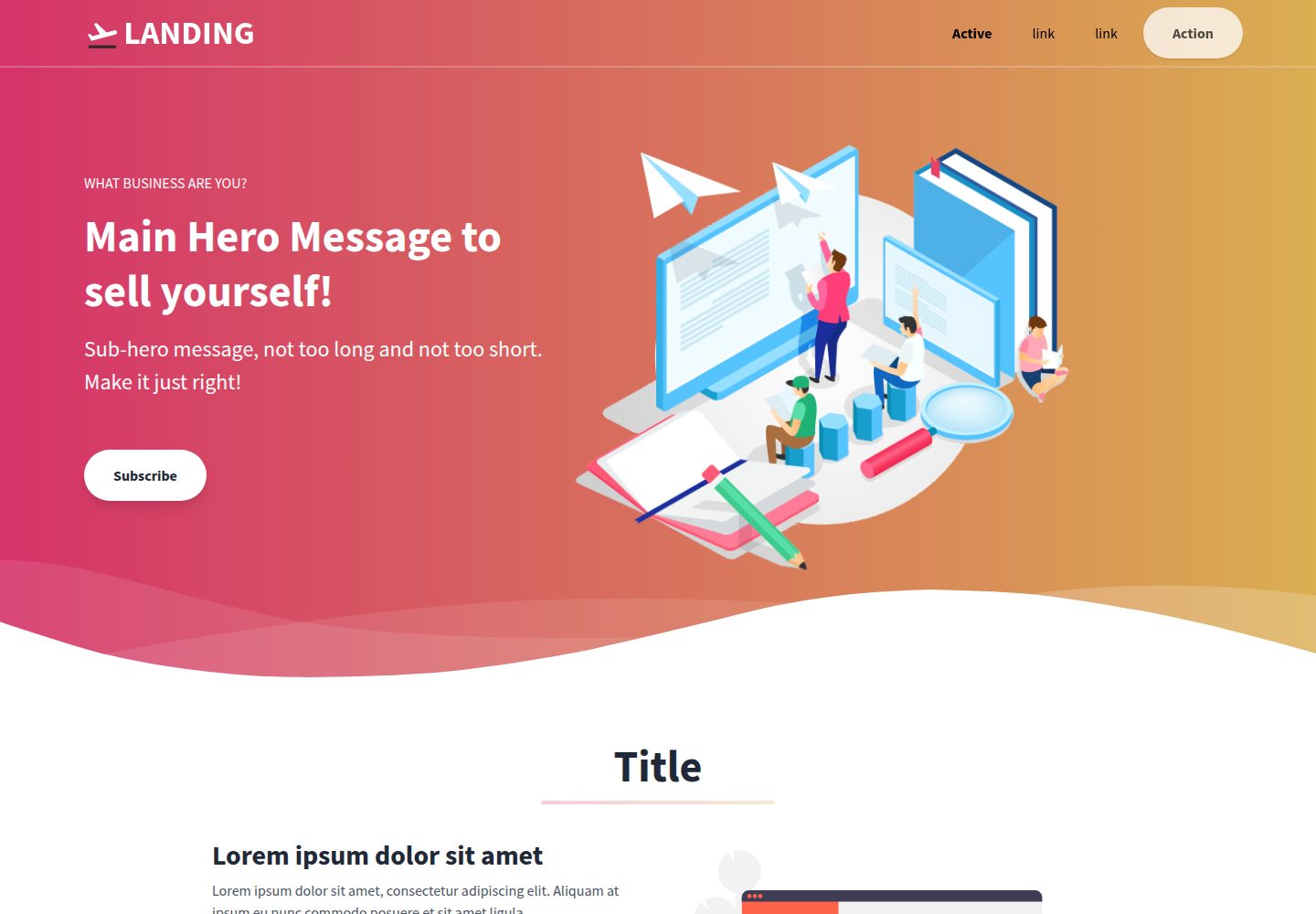
Landing-Page
A general-purpose landing page HTML template maintained by Tailwind Toolbox, written in pure HTML and loading the complete Tailwind CSS via CDN.
HTML · Corporate Website