在官方 Payload Website Template 基础上扩展出面向机构的集合与布局区块
Next.jsReact企业官网
payload-cms-agency-template — Next.js 企业官网模板
作者 AntonDobrev
基于官方 Payload Website Template 扩展的机构官网模板,在 Next.js 与 Payload CMS 之上增加了客户、服务、案例、团队等集合与布局区块,支持英保双语。
看看你的网站会是什么样
浏览真实页面截图,比较内容排版与手机效果。点击下方缩略图切换,放大查看整页细节。
全部页面与视图 3
截图用于了解视觉与布局,交互效果请以实际项目为准。
采集于 2026-10-02查看来源
值得关注的模板亮点
从已有项目资料中,快速了解它的特点。
新增 Customers、Services、Case Studies、Team Members、Testimonials、Awards 等内容集合
布局构建器增加 Testimonial、Logo Banner、Stats、Awards List 区块
Header、Footer 与 Site Settings 全局配置支持 CTA 按钮、链接列和社交链接
提供完整种子脚本,可从管理面板一键写入演示数据
支持英语与保加利亚语,采用 URL 前缀策略并在页头提供语言切换
模板详细介绍
该模板由 AntonDobrev 维护,是在官方 Payload Website Template 基础上扩展而来的机构官网项目。它保留了上游 Pages、Posts、Media、Categories 等集合,以及布局构建器、草稿预览、实时预览、按需重新验证、SEO、搜索、重定向、定时发布等能力,并针对数字机构或类似服务型业务补充了内容模型与前端区块。
新增内容包括 Customers、Technologies、Team Members、Testimonials、Services、Case Studies、Awards、Legal Pages、Demos、Portfolio 等集合,以及 Testimonial、Logo Banner、Stats、Awards List 等布局区块;Header、Footer 与 Site Settings 全局配置也得到扩展。模板提供完整种子脚本,可从管理面板一键写入演示数据,便于查看各集合与区块在首页上的呈现。国际化方面支持英语和保加利亚语,采用 URL 前缀策略并在页头提供语言切换。
技术栈为 Next.js App Router 与 Payload CMS,样式使用 TailwindCSS 与 shadcn/ui,媒体可接入 Vercel Blob Storage,数据库预配置为 Vercel Postgres,并针对 Vercel 部署做了适配。模板附带 MCP 服务器配置,用于 AI 辅助工作流。需要注意的是,模板描述中提到的 Next.js 16、Turbopack、`use cache` 等属于上游项目声明,实际版本与行为应以仓库依赖清单和运行结果为准;演示图片、字体、图标等第三方素材的许可需单独核对,域名、托管、数据库等外部服务可能产生费用。
Next.js企业官网
适合你的项目吗?
适用场景
- 数字机构或工作室搭建包含服务页、案例研究和作品集的内容管理官网
- 自由职业者需要一个带 CMS 后台、可自行维护服务与案例展示的站点
- 团队希望在官方 Payload 模板基础上获得更丰富的内容模型和前端区块作为起点
- 需要英保双语站点并计划部署到 Vercel、使用 Vercel Postgres 与 Blob 存储的项目
适合人群
- 需要服务页、案例研究与作品集的内容管理型官网的机构、工作室或自由职业者
- 希望以比官方模板更丰富的内容模型起步来探索 Payload CMS 的团队
- 计划在 Vercel 上部署并接受 Vercel Postgres 与 Blob 存储的 Next.js 项目
- 需要英语与保加利亚语双语内容、并希望从管理面板维护内容的站点
上手与定制指南
结合仓库当前版本的说明,按下面的资料检查内容、配置与运行要求。
- 1
使用 create-payload-app 或克隆仓库获取项目,然后复制 .env.example 为 .env
- 2
执行 pnpm install 与 pnpm dev 启动开发服务器,默认访问 http://localhost:3000
- 3
首次运行需按页面提示创建管理员用户,之后可在管理面板使用种子脚本写入演示数据
- 4
部署到 Vercel 时需配置 Vercel Postgres 与 Blob 存储,并注意计划层级对 cron 频率的限制
- 5
演示图片、字体、图标等第三方素材的许可需单独核对,外部服务可能另外收费
授权与来源资料
使用条件与限制
免费使用 · 保留许可声明本次收录的是公开仓库中采用 MIT 许可的免费版本;免费范围为该版本代码,不代表外部服务或第三方素材免费。
使用时需要遵守
- 允许免费使用、修改、商用和分发该版本代码。
- 分发代码副本或实质性部分时,保留原作者版权声明和完整 MIT 许可声明。
- 代码按现状提供;担保与责任限制以原许可证及适用法律为准。
额外费用与待核对事项
- 默认数据库适配器为 Vercel Postgres,媒体存储使用 Vercel Blob Storage,定时发布依赖 cron;使用这些能力需在 Vercel 创建相应资源并配置环境变量,可能受 Vercel 计划层级限制(如仅支持每日 cron)。
- 媒体上传需要 Vercel Blob 存储:须在 Vercel 控制台创建 Public 访问的 Blob 存储,并配置 BLOB_READ_WRITE_TOKEN 环境变量,否则媒体功能不可用。
- 必须提供 DATABASE_URL 指向 Postgres 数据库(默认 Vercel + Neon),本地开发也需指向开发库,否则无法运行。
- 必须配置 NEXT_PUBLIC_SERVER_URL 用于 CORS、链接与预览;自定义域名或预览部署可能需要显式设置。
- 模板不含邮件服务集成;如需联系表单投递、密码重置或通知邮件,须自行实现并配置相应凭据。
- 任务队列虽已配置但 jobs.tasks 为空;若使用定时发布,需自行注册相关任务并设置 vercel.json 的 cron。
- 模板不含预构建迁移;生产环境需先运行 migrate:create 生成迁移,再在构建或部署流程中执行 migrate。
- 模板默认不含面向公众访客的 Cookie;若自行添加分析、跟踪或营销脚本,则须实现 Cookie 同意横幅。
- 第三方技术、依赖及演示素材(图片、徽标、字体等)归各自所有者,适用其自身许可,需单独核对,不随本仓库 MIT 许可一并授予。
- 演示图片、字体、图标及其他第三方素材需按各自许可核对,不能仅凭代码的 MIT 许可判断。
- 域名、托管、数据库、支付或 AI 等外部服务可能另外收费。
查看原文依据
Permission is hereby granted, free of charge
许可证原文
Pre-configured for Vercel Postgres (`@payloadcms/db-vercel-postgres`), Vercel Blob Storage, and cron-based scheduled publishing.
README 原文
Create a Blob store in the Vercel dashboard (Storage → Blob) with **Public** access, then add `BLOB_READ_WRITE_TOKEN` to your environment variables.
README 原文
`DATABASE_URL`** – The template uses `process.env.DATABASE_URL` (Vercel + Neon Postgres default).
README 原文
`NEXT_PUBLIC_SERVER_URL`** – Required for CORS, links, and preview.
README 原文
This template does not include an email provider integration.
README 原文
Jobs queue is configured in `payload.config.ts`, but `jobs.tasks` is empty.
README 原文
This template ships without pre-built migrations.
README 原文
If you add analytics, tracking, or marketing scripts
README 原文
https://github.com/AntonDobrev/payload-cms-agency-template/blob/main/LICENSEhttps://github.com/AntonDobrev/payload-cms-agency-template/blob/main/README.mdThird-party technologies, dependencies, and any demo assets (images, logos, fonts, and other visual materials) are owned by their respective owners and are governed by their own licenses.
README 原文
DeepSeek 根据仓库许可证和 README 整理 ·2026-10-02。结果仅覆盖已读取资料,依赖、图片、字体及后续条款变更以各自原文为准。
项目核对记录与介绍依据
模板资料
- 来源平台
- GitHub
- 资料与维护参考分
- 资料较完整 · 83 / 100
- 技术栈
- Next.js · React
- 网站类型
- 企业官网
这个分数如何计算
本站按许可资料(最高30分)、演示链接(12分)、预览图(10分)、Star数(15分)、记录的维护时间(15分)、描述完整度(8分)、功能记录(5分)和分类资料(5分)计算。它不是代码、安全或性能测试,也不是 Google 评分;有链接不代表已实测可用。
这个项目需要核对什么
- 记录的仓库更新时间
- 2026-03-19
- 截图检查日期
- 2026-10-02
已收录演示链接。请用你的内容与屏幕尺寸检查;有演示不代表表单、认证或支付已经可用。
目录记录的主要技术栈是 Next.js。请通过依赖清单和锁文件核对实际版本与托管要求。这些说明基于收录资料,不代表代码审计或部署实测。
查看具体选型方法 →介绍的制作与核对状态
介绍由 AI 辅助整理目录与仓库资料。仓库作者不等于这篇介绍的审核者。
已完成服务器许可规则与 AI 来源核对;未经过人工编辑审核。
查看当时使用的来源资料
SHA-256: 055eaf1ed78942e7609de375126b4b38cbb9d30ec74f1d884895e195f99ef714
2026-10-02T15:19:39.235Z
来源文件 / 仓库# Agency Website Template
> Built on top of the official [Payload Website Template](https://github.com/payloadcms/payload/tree/main/templates/website).
This template extends the upstream Payload starter with everything a digital agency (or similar service business) needs out of the box. The original README has been updated to reflect the additions — you still get all of the stock Payload features, plus the agency-specific collections, blocks, globals, and seed data described below.
### Why use this template
- **Next.js 16 + Turbopack** — Uses the latest App Router features including `use cache` directives, on-demand revalidation, and React Server Components for fast, production-grade rendering.
- **Optimized for Vercel** — Pre-configured for Vercel Postgres (`@payloadcms/db-vercel-postgres`), Vercel Blob Storage, and cron-based scheduled publishing. Deploys with zero additional infrastructure.
- **Modern styling stack** — TailwindCSS v4, shadcn/ui components, and a centralized font config. All visual styling is intentionally minimal so you can adapt it to your own brand.
- **MCP integration** — Ships with Model Context Protocol (MCP) servers pre-configured (shadcn, Neon, Figma, Next.js Devtools), so AI-assisted workflows work out of the box.
- **Agency-ready collections** — Adds Customers, Technologies, Team Members, Testimonials, Services, Case Studies, Awards, Legal Pages, Demos, and Portfolio on top of the stock Pages, Posts, Media, and Categories.
- **New layout blocks** — Testimonial, Logo Banner (customers or technologies), Stats, and Awards List blocks are ready to drop into any page via the Layout Builder.
- **Expanded globals** — Header with configurable CTA buttons, Footer with link columns and social links, and a Site Settings global for contact info and branding.
- **Full seed script** — One click from the admin panel seeds every collection and global with realistic demo data so you can see all blocks and collections working on the home page immediately.
- **Internationalization** — English and Bulgarian locales with a URL-prefix strategy and a locale switcher in the header.
### Who this is for
- Agencies, studios, or freelancers who need a content-managed website with service pages, case studies, and a portfolio.
- Teams exploring Payload CMS who want a richer starting point than the stock template.
- Anyone who wants a Vercel-optimized, Next.js 16 project with a full CMS backend ready to customize.
### Inherited features
Everything from the original Payload Website Template is preserved:
- [Pre-configured Payload Config](#how-it-works)
- [Authentication](#users-authentication)
- [Access Control](#access-control)
- [Layout Builder](#layout-builder)
- [Draft Preview](#draft-preview)
- [Live Preview](#live-preview)
- [On-demand Revalidation](#on-demand-revalidation)
- [SEO](#seo)
- [Search](#search)
- [Redirects](#redirects)
- [Jobs and Scheduled Publishing](#jobs-and-scheduled-publish)
- [Website](#website)
## Quick Start
To spin up this example locally, follow these steps:
### Clone
If you have not done so already, you need to have standalone copy of this repo on your machine. If you've already cloned this repo, skip to [Development](#development).
Use the `create-payload-app` CLI to clone this template directly to your machine:
```bash
pnpx create-payload-app my-project -t website
```
### Development
1. First [clone the repo](#clone) if you have not done so already
1. `cd my-project && cp .env.example .env` to copy the example environment variables
1. `pnpm install && pnpm dev` to install dependencies and start the dev server
1. open `http://localhost:3000` to open the app in your browser
That's it! Changes made in `./src` will be reflected in your app. Follow the on-screen instructions to login and create your first admin user. Then check out [Production](#production) once you're ready to build and serve your app, and [Deployment](#deployment) when you're ready to go live.
## How it works
The Payload config is tailored specifically to the needs of most websites. It is pre-configured in the following ways:
### Collections
See the [Collections](https://payloadcms.com/docs/configuration/collections) docs for details on how to extend this functionality.
- #### Users (Authentication)
Users are auth-enabled collections that have access to the admin panel and unpublished content. See [Access Control](#access-control) for more details.
For additional help, see the official [Auth Example](https://github.com/payloadcms/payload/tree/main/examples/auth) or the [Authentication](https://payloadcms.com/docs/authentication/overview#authentication-overview) docs.
- #### Posts
Posts are used to generate blog posts, news articles, or any other type of content that is published over time. All posts are layout builder enabled so you can generate unique layouts for each post using layout-building blocks, see [Layout Builder](#layout-builder) for more details. Posts are also draft-enabled so you can preview them before publishing them to your website, see [Draft Preview](#draft-preview) for more details.
- #### Pages
All pages are layout builder enabled so you can generate unique layouts for each page using layout-building blocks, see [Layout Builder](#layout-builder) for more details. Pages are also draft-enabled so you can preview them before publishing them to your website, see [Draft Preview](#draft-preview) for more details.
- #### Media
This is the uploads enabled collection used by pages, posts, and projects to contain media like images, videos, downloads, and other assets. It features pre-configured sizes, focal point and manual resizing to help you manage your pictures.
- #### Categories
A taxonomy used to group posts together. Categories can be nested inside of one another, for example "News > Technology". See the official [Payload Nested Docs Plugin](https://payloadcms.com/docs/plugins/nested-docs) for more details.
- #### Awards
A simple collection for awards and recognition (year, award name, category, project, optional image and link). Used by the **Awards List** layout block to show a year-grouped timeline on pages. Public read; authenticated create/update/delete. Revalidates the `awards` tag on change/delete.
### Globals
See the [Globals](https://payloadcms.com/docs/configuration/globals) docs for details on how to extend this functionality.
- `Header`
The data required by the header on your front-end like nav links.
- `Footer`
Same as above but for the footer of your site.
## Access control
Basic access control is setup to limit access to various content based based on publishing status.
- `users`: Users can access the admin panel and create or edit content.
- `posts`: Everyone can access published posts, but only users can create, update, or delete them.
- `pages`: Everyone can access published pages, but only users can create, update, or delete them.
For more details on how to extend this functionality, see the [Payload Access Control](https://payloadcms.com/docs/access-control/overview#access-control) docs.
## Layout Builder
Create unique page layouts for any type of content using a powerful layout builder. This template comes pre-configured with the following layout building blocks:
- Hero
- Content
- Media
- Call To Action
- Archive
- Testimonial
- Logo Banner (customers or technologies)
- Stats
- Awards List (year-grouped timeline from the Awards collection)
Each block is fully designed and built into the front-end website that comes with this template. See [Website](#website) for more details.
## Lexical editor
A deep editorial experience that allows complete freedom to focus just on writing content without breaking out of the flow with support for Payload blocks, media, links and other features provided out of the box. See [Lexical](https://payloadcms.com/docs/rich-text/overview) docs.
## Draft Preview
All posts and pages are draft-enabled so you can preview them before publishing them to your website. To do this, these collections use [Versions](https://payloadcms.com/docs/configuration/collections#versions) with `drafts` set to `true`. This means that when you create a new post, project, or page, it will be saved as a draft and will not be visible on your website until you publish it. This also means that you can preview your draft before publishing it to your website. To do this, we automatically format a custom URL which redirects to your front-end to securely fetch the draft version of your content.
Since the front-end of this template is statically generated, this also means that pages, posts, and projects will need to be regenerated as changes are made to published documents. To do this, we use an `afterChange` hook to regenerate the front-end when a document has changed and its `_status` is `published`.
For more details on how to extend this functionality, see the official [Draft Preview Example](https://github.com/payloadcms/payload/tree/examples/draft-preview).
## Live preview
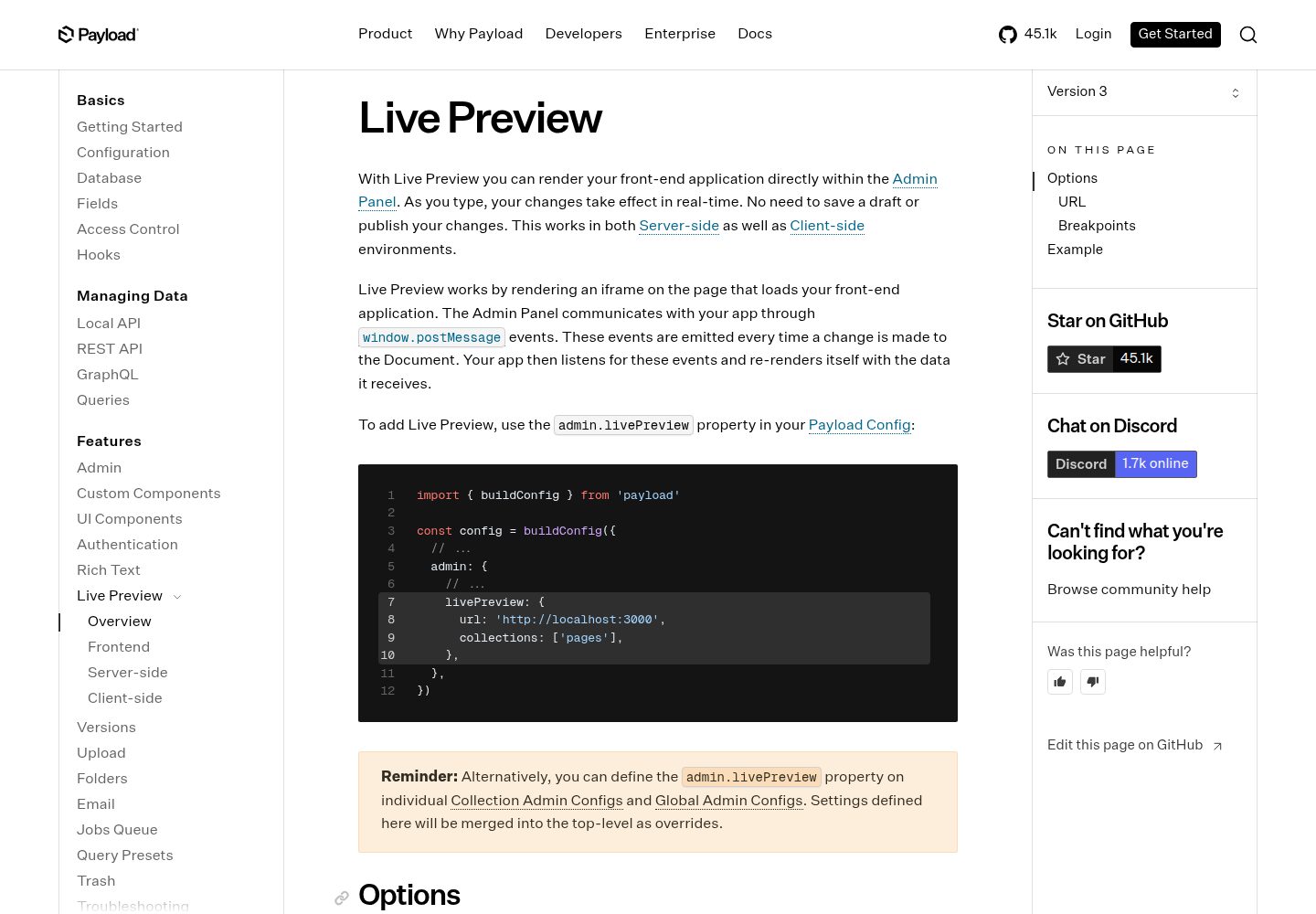
In addition to draft previews you can also enable live preview to view your end resulting page as you're editing content with full support for SSR rendering. See [Live preview docs](https://payloadcms.com/docs/live-preview/overview) for more details.
## On-demand Revalidation
We've added hooks to collections and globals so that all of your pages, posts, footer, or header changes will automatically be updated in the frontend via on-demand revalidation supported by Nextjs.
> Note: if an image has been changed, for example it's been cropped, you will need to republish the page it's used on in order to be able to revalidate the Nextjs image cache.
## SEO
This template comes pre-configured with the official [Payload SEO Plugin](https://payloadcms.com/docs/plugins/seo) for complete SEO control from the admin panel. All SEO data is fully integrated into the front-end website that comes with this template. See [Website](#website) for more details.
## Search
This template also pre-configured with the official [Payload Search Plugin](https://payloadcms.com/docs/plugins/search) to showcase how SSR search features can easily be implemented into Next.js with Payload. See [Website](#website) for more details.
## Redirects
If you are migrating an existing site or moving content to a new URL, you can use the `redirects` collection to create a proper redirect from old URLs to new ones. This will ensure that proper request status codes are returned to search engines and that your users are not left with a broken link. This template comes pre-configured with the official [Payload Redirects Plugin](https://payloadcms.com/docs/plugins/redirects) for complete redirect control from the admin panel. All redirects are fully integrated into the front-end website that comes with this template. See [Website](#website) for more details.
## Jobs and Scheduled Publish
We have configured [Scheduled Publish](https://payloadcms.com/docs/versions/drafts#scheduled-publish) which uses the [jobs queue](https://payloadcms.com/docs/jobs-queue/jobs) in order to publish or unpublish your content on a scheduled time. The tasks are run on a cron schedule and can also be run as a separate instance if needed.
> Note: When deployed on Vercel, depending on the plan tier, you may be limited to daily cron only.
## Website
This template includes a beautifully designed, production-ready front-end built with [Next.js 16](https://nextjs.org) and the [App Router](https://nextjs.org/docs/app), served right alongside your Payload app in a single instance. This makes it so that you can deploy both your backend and website where you need it.
Core features:
- [Next.js 16](https://nextjs.org) (Turbopack by default)
- [Next.js App Router](https://nextjs.org/docs/app)
- [Next.js Cache Components](https://nextjs.org/docs/app/api-reference/directives/use-cache) (`use cache`, on-demand + time-based revalidation)
- [TypeScript](https://www.typescriptlang.org)
- [React Hook Form](https://react-hook-form.com)
- [Payload Admin Bar](https://github.com/payloadcms/payload/tree/main/packages/admin-bar)
- [TailwindCSS styling](https://tailwindcss.com/)
- [shadcn/ui components](https://ui.shadcn.com/)
- [Centralized font config](#fonts) (Geist Sans / Mono)
- User Accounts and Authentication
- Fully featured blog
- Publication workflow
- Dark mode
- Pre-made layout building blocks
- SEO
- Search
- Redirects
- Internationalization (EN/BG)
- Live preview
### Cache
This template uses **Next.js 16 Cache Components** (`use cache`) to cache CMS data and reduce backend load. Caching is enabled via `cacheComponents: true` in `next.config.js`.
#### What is cached
| Data | Utility | Cache tag(s) | Revalidation |
|------|---------|--------------|--------------|
| Pages, posts by slug | `getCachedDocument` | `pages_${slug}`, `posts_${slug}` | On-demand when content changes |
| Document by ID (redirects) | `getCachedDocumentById` | `pages_id_${id}`, `posts_id_${id}` | On-demand |
| Header, footer globals | `getCachedGlobal` | `global_header`, `global_footer` | On-demand when globals change |
| Redirects list | `getCachedRedirects` | `redirects` | On-demand when redirects change |
| Posts index & pagination | `getCachedPosts` | `posts-list` | Time-based (600s) + on-demand when posts change |
| Pages sitemap | `getPagesSitemap` | `pages-sitemap` | On-demand when pages change |
| Posts sitemap | `getPostsSitemap` | `posts-sitemap` | On-demand when posts change |
#### How revalidation works
- **On-demand:** Payload `afterChange` and `afterDelete` hooks call `revalidateTag(tag, 'max')` when content changes. This invalidates the relevant cache entries so the next request fetches fresh data.
- **Time-based:** Posts list uses `cacheLife({ revalidate: 600 })` (10 minutes) as a fallback.
#### What stays uncached
- Page and post document fetches in `./src/app/(frontend)/[locale]/[slug]/page.tsx` and `./src/app/(frontend)/[locale]/posts/[slug]/page.tsx` use `React.cache` for request deduplication only (e.g. when both the page and `generateMetadata` fetch the same document). They do not use `use cache` because they depend on `draftMode()`, which cannot run inside a cached boundary.
### Fonts
Fonts are centralized in `src/config/fonts.ts` so you can swap or add fonts in one place. The root layout imports from this config and applies the font CSS variables to the `<html>` element.
- **`fontSans`** — Used as Tailwind’s `font-sans` across the app (the root layout applies `font-sans` to `html`). Default: Geist Sans.
- **`fontMono`** — Used as `font-mono`. Default: Geist Mono.
To change fonts (e.g. for branding), edit `src/config/fonts.ts` only. Update the font loaders (`fontSans`, `fontMono`) and, if the new font uses different CSS variable names, the `fontSansVariable` and `fontMonoVariable` exports. The layout will then use those variables to map Tailwind’s `font-sans` and `font-mono`.
### Cookies
This template **does not set any cookies for public visitors**. The only cookies in the stack are:
- **`payload-token`** — HTTP-only JWT auth cookie, set only when a user logs into the Payload admin panel.
- **Next.js draft-mode cookie** — set only when an admin enters live preview.
Because these are strictly necessary/functional cookies used exclusively by authenticated admin users, **no cookie consent banner is required** under the ePrivacy Directive (Article 5(3)) or GDPR. The template ships without one.
**If you add analytics, tracking, or marketing scripts** (Google Analytics, Meta Pixel, etc.), you will need to implement a cookie consent banner. In that case, consider adding a `cookieBanner` field group to the `SiteSettings` global (for CMS-editable text) and a `'use client'` component in the locale layout that stores consent in a cookie so server-side code can conditionally load third-party scripts.
### Internationalization
The frontend supports **English** and **Bulgarian**. The admin panel stays in English.
- **URL structure:** All frontend routes are prefixed with locale (e.g. `/en/about`, `/bg/za-nas`). The root `/` redirects to a locale based on `Accept-Language` (or `/en` as fallback).
- **Content localization:** Pages, posts, header, and footer have localized fields. Add translations in the Payload admin per locale.
- **UI translations:** End-user labels (nav, search, pagination, etc.) are in `src/i18n/translations.ts`.
- **Locale switcher:** The header includes EN | BG links to switch locale while preserving the current path.
In development, the schema (including localized fields) is created automatically by `push`. For production, run `pnpm payload migrate:create` to generate your first migration from the config, then `pnpm payload migrate`.
#### Vercel deployment
- **Default `use cache`:** Uses in-memory cache per serverless instance. Good for most cases.
- **Optional `use cache: remote`:** For shared cache across all instances (better hit rates, fewer cold-start misses), switch to `'use cache: remote'` in the utilities and ensure [Runtime Cache](https://vercel.com/docs/runtime-cache) or custom `cacheHandlers` are configured.
#### Payload Cloud
Payload Cloud proxies and caches files through Cloudflare. Next.js caching still provides value (deduplication, prefetch hints, tag-based invalidation). If you prefer minimal Next.js caching for Cloud-only deployments, you can disable `cacheComponents` and remove `use cache` usage.
For more details, see the [Next.js Caching Docs](https://nextjs.org/docs/app/building-your-application/caching) and `docs/NEXTJS_16_CACHING_ASSESSMENT.md` in this repo.
## Development
To spin up this example locally, follow the [Quick Start](#quick-start). Then [Seed](#seed) the database with a few pages, posts, and projects.
### Working with Postgres
Postgres and other SQL-based databases follow a strict schema for managing your data. In comparison to our MongoDB adapter, this means that there's a few extra steps to working with Postgres.
Note that often times when making big schema changes you can run the risk of losing data if you're not manually migrating it.
#### Local development
Ideally we recommend running a local copy of your database so that schema updates are as fast as possible. By default the Postgres adapter has `push: true` for development environments. This will let you add, modify and remove fields and collections without needing to run any data migrations.
If your database is pointed to production you will want to set `push: false` otherwise you will risk losing data or having your migrations out of sync.
#### Migrations
[Migrations](https://payloadcms.com/docs/database/migrations) are essentially SQL code versions that keeps track of your schema. When deploying with Postgres you will need to make sure you create and then run your migrations.
This template ships without pre-built migrations. In development, `push` creates and updates the schema automatically. For production, run `migrate:create` first to generate migrations from your config, then `migrate` in your build or deploy pipeline. The generated `src/migrations` folder should be committed to your project (not gitignored) so schema changes are versioned.
**Connection errors?** If `pnpm payload migrate` fails with `getaddrinfo ENOTFOUND` or `Failed query`, see [docs/MIGRATIONS_TROUBLESHOOTING.md](docs/MIGRATIONS_TROUBLESHOOTING.md).
Locally create a migration
```bash
pnpm payload migrate:create
```
This creates the migration files you will need to push alongside with your new configuration.
On the server after building and before running `pnpm start` you will want to run your migrations
```bash
pnpm payload migrate
```
This command will check for any migrations that have not yet been run and try to run them and it will keep a record of migrations that have been run in the database.
### Docker
Alternatively, you can use [Docker](https://www.docker.com) to spin up this template locally. To do so, follow these steps:
1. Follow [steps 1 and 2 from above](#development), the docker-compose file will automatically use the `.env` file in your project root
1. Next run `docker-compose up`
1. Follow [steps 4 and 5 from above](#development) to login and create your first admin user
That's it! The Docker instance will help you get up and running quickly while also standardizing the development environment across your teams.
### Seed
To seed the database with a few pages, posts, and projects you can click the 'seed database' link from the admin panel.
The seed script will also create a demo user for demonstration purposes only:
- Demo Author
- Email: `[email protected]`
- Password: `password`
> NOTICE: seeding the database is destructive because it drops your current database to populate a fresh one from the seed template. Only run this command if you are starting a new project or can afford to lose your current data.
#### Seed data overview
This template is based on the official [Payload Website Template](https://github.com/payloadcms/payload/tree/main/templates/website). The styling and visual presentation are intentionally left as your responsibility to adjust for your brand.
This project additionally seeds both the original Payload demo content and the added agency-specific collections, so you can immediately verify the new UI pieces in the frontend.
Collections seeded:
- `pages` (includes a published `home` page that uses the Layout Builder blocks)
- `posts` (used by the homepage `Archive` block)
- `media` (image assets referenced by other collections)
- `customers` (featured customer logos for the `Logo Banner` block)
- `technologies` (partner logos for the `Logo Banner` block)
- `testimonials` (data for the `Testimonial` block)
- `awards` (year-grouped timeline for the `Awards List` block)
- `team-members` (team list content)
- `services` (service docs content)
- `case-studies` (case study content)
- `legal-pages` (policy/disclaimer content)
- `demos` (demo product content)
- `portfolio` (work showcase content)
Globals seeded:
- `header` (navigation + CTA buttons)
- `footer` (link columns + social links)
- `site-settings` (site name/description and contact info)
#### Frontend features showcased on `Home`
After seeding, the `home` page will render these Layout Builder blocks using the newly seeded collections:
- `Stats` (agency metrics)
- `Logo Banner` for both customers and technologies
- `Testimonial` (carousel)
- `Archive` (recent posts)
- `Awards List` (year-grouped awards timeline)
- `CTA` (call to action)
## Production
To run Payload in production, you need to build and start the Admin panel. To do so, follow these steps:
1. Invoke the `next build` script by running `pnpm build` or `npm run build` in your project root. This creates a `.next` directory with a production-ready admin bundle.
1. Finally run `pnpm start` or `npm run start` to run Node in production and serve Payload from the `.build` directory.
1. When you're ready to go live, see Deployment below for more details.
### Deploying to Vercel
This template can also be deployed to Vercel for free. You can get started by choosing the Vercel DB adapter during the setup of the template or by manually installing and configuring it:
```bash
pnpm add @payloadcms/db-vercel-postgres
```
```ts
// payload.config.ts
import { vercelPostgresAdapter } from '@payloadcms/db-vercel-postgres'
export default buildConfig({
// ...
db: vercelPostgresAdapter({
pool: {
connectionString: process.env.DATABASE_URL || '',
},
}),
// ...
```
We also support Vercel's blob storage:
```bash
pnpm add @payloadcms/storage-vercel-blob
```
```ts
// payload.config.ts
import { vercelBlobStorage } from '@payloadcms/storage-vercel-blob'
export default buildConfig({
// ...
plugins: [
vercelBlobStorage({
collections: {
[Media.slug]: true,
},
token: process.env.BLOB_READ_WRITE_TOKEN || '',
}),
],
// ...
```
There is also a simplified [one click deploy](https://github.com/payloadcms/payload/tree/templates/with-vercel-postgres) to Vercel should you need it.
### Self-hosting
Before deploying your app, you need to:
1. Ensure your app builds and serves in production. See [Production](#production) for more details.
2. You can then deploy Payload as you would any other Node.js or Next.js application either directly on a VPS, DigitalOcean's Apps Platform, via Coolify or more. More guides coming soon.
You can also deploy your app manually, check out the [deployment documentation](https://payloadcms.com/docs/production/deployment) for full details.
## Template checklist
This template has been upgraded to **Next.js 16**. Requires Node.js 20.9+.
Before deploying, review this checklist. Several items are not enabled by default and may be required for your deployment target.
### Vercel deployment
- **[ ] Cache configuration** – Caching is enabled by default (`cacheComponents: true`, `use cache` in utilities). For Vercel, consider `use cache: remote` for shared cache across serverless instances. See the [Cache](#cache) section.
- **[ ] Media storage** – Media uses [Vercel Blob Storage](https://vercel.com/docs/storage/vercel-blob) via `@payloadcms/storage-vercel-blob`. Create a Blob store in the Vercel dashboard (Storage → Blob) with **Public** access, then add `BLOB_READ_WRITE_TOKEN` to your environment variables. For local dev, run `vercel env pull` or copy the token from your Vercel project.
- **[ ] `vercel.json` (Cron)** – If using [Scheduled Publish](https://payloadcms.com/docs/versions/drafts#scheduled-publish) or the jobs queue, add a `vercel.json` with a cron schedule that hits the Payload jobs endpoint with `CRON_SECRET` in the Authorization header.
- **[ ] Postgres migrations** – Add `pnpm payload migrate` to your build or start script, or run it manually before `pnpm start` on each deploy. The `payload migrate:create` and `payload migrate` commands are documented in [Migrations](#migrations) but are not in `package.json` scripts.
### Environment variables
- **[ ] `DATABASE_URL`** – The template uses `process.env.DATABASE_URL` (Vercel + Neon Postgres default). Ensure your local `.env` points to a dev DB and Vercel has the production URL.
- **[ ] `BLOB_READ_WRITE_TOKEN`** – Required for media uploads. Create a Blob store in Vercel (Storage → Blob) with **Public** access, then add the token to your project's environment variables.
- **[ ] `NEXT_PUBLIC_SERVER_URL`** – Required for CORS, links, and preview. Use your production URL. Vercel sets `VERCEL_PROJECT_PRODUCTION_URL`; `next.config.js` uses it as a fallback, but custom domains or preview deployments may need an explicit value.
### General
- **[ ] Migrations (Postgres)** – When deploying with Postgres, run `pnpm payload migrate` after build and before `pnpm start`. Consider adding it to your deploy pipeline.
- **[ ] Scheduled Publish** – Jobs queue is configured in `payload.config.ts`, but `jobs.tasks` is empty. If you use scheduled publish, ensure the relevant tasks are registered and `vercel.json` cron is set up.
- **[ ] Cookie consent** – The template sets no cookies for public visitors (only admin auth), so no banner is included. If you add analytics or marketing scripts, you must add a cookie consent banner. See [Cookies](#cookies).
- **[ ] Email service wiring** – This template does not include an email provider integration. If you need emails (for example contact form delivery, password resets, or notifications), implement that in your code and configure the required credentials.
## License
This repository's original code is licensed under the MIT License. See `LICENSE` for the full text.
This project is based on the official Payload Website Template:
- https://github.com/payloadcms/payload/tree/main/templates/website
Third-party technologies, dependencies, and any demo assets (images, logos, fonts, and other visual materials) are owned by their respective owners and are governed by their own licenses. See `THIRD_PARTY_NOTICES.md` for details and an "as-is" disclaimer for third-party materials.
## Questions
If you have any issues or questions, reach out to us on [Discord](https://discord.com/invite/payload) or start a [GitHub discussion](https://github.com/payloadcms/payload/discussions).
看看同类模板
对比同技术栈与用途的模板,找到更适合的视觉与内容结构。

SaaS-Boilerplate
🚀🎉📚 SaaS Boilerplate built with Next.js + Tailwind CSS + Shadcn UI + TypeScript. ⚡️ Full-stack React applic…
Next.js · SaaS
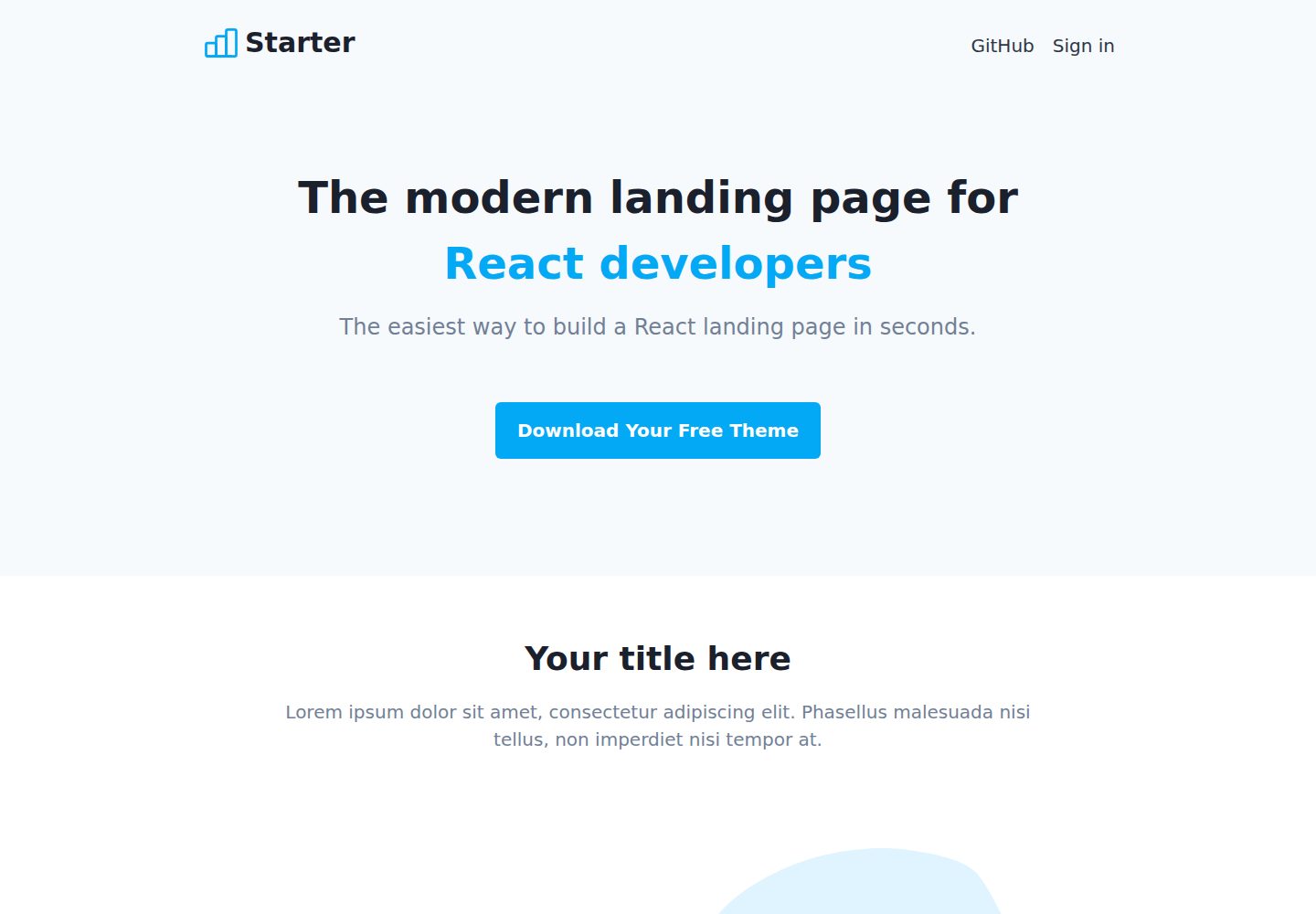
Next-JS-Landing-Page-Starter-Template
🚀 Free NextJS Landing Page Template written in Tailwind CSS 3 and TypeScript ⚡️ Made with developer experienc…
Next.js · 企业官网
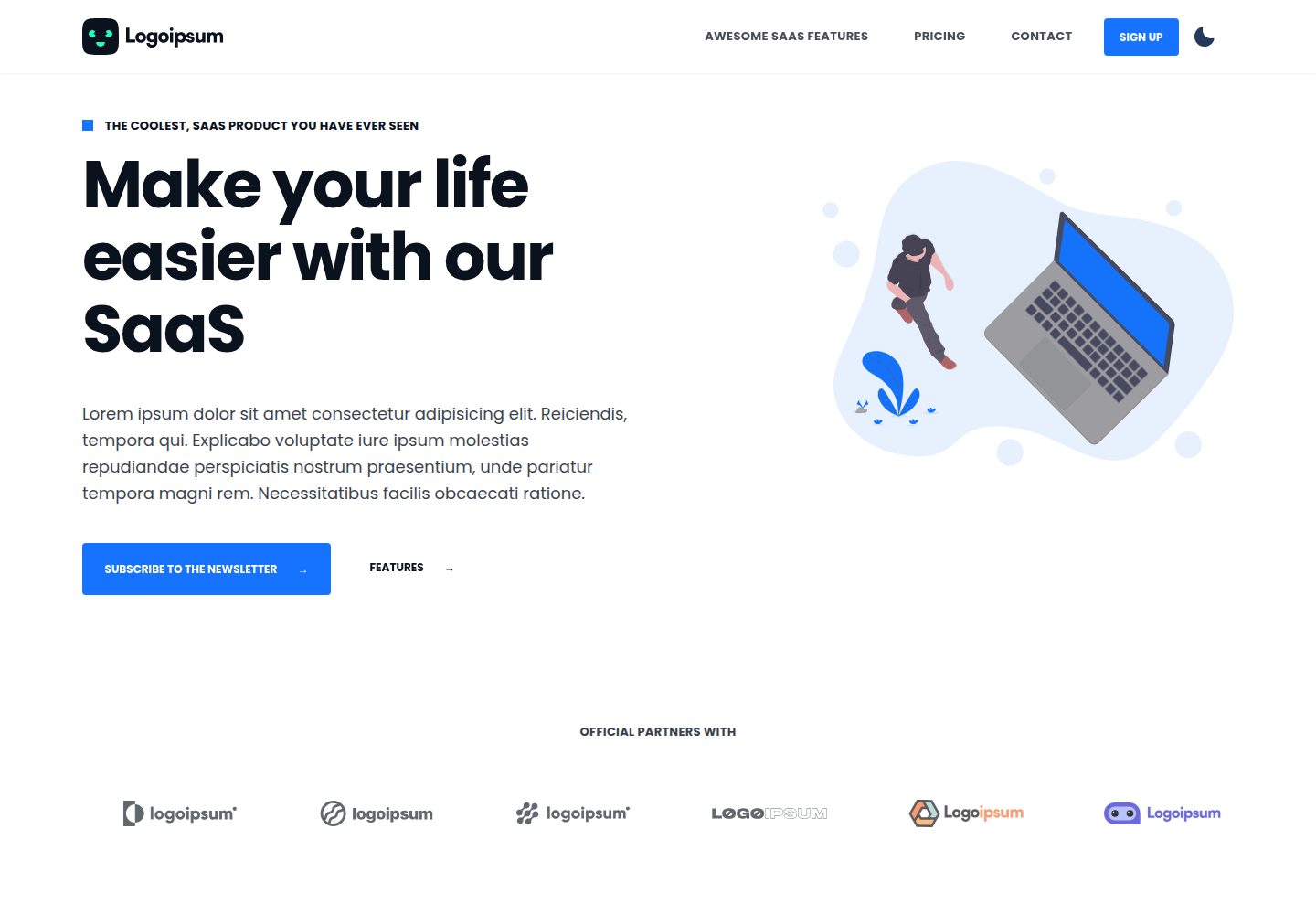
next-saas-starter
⚡️ Free Next.js responsive landing page template for SaaS products made using JAMStack architecture.
Next.js · SaaS
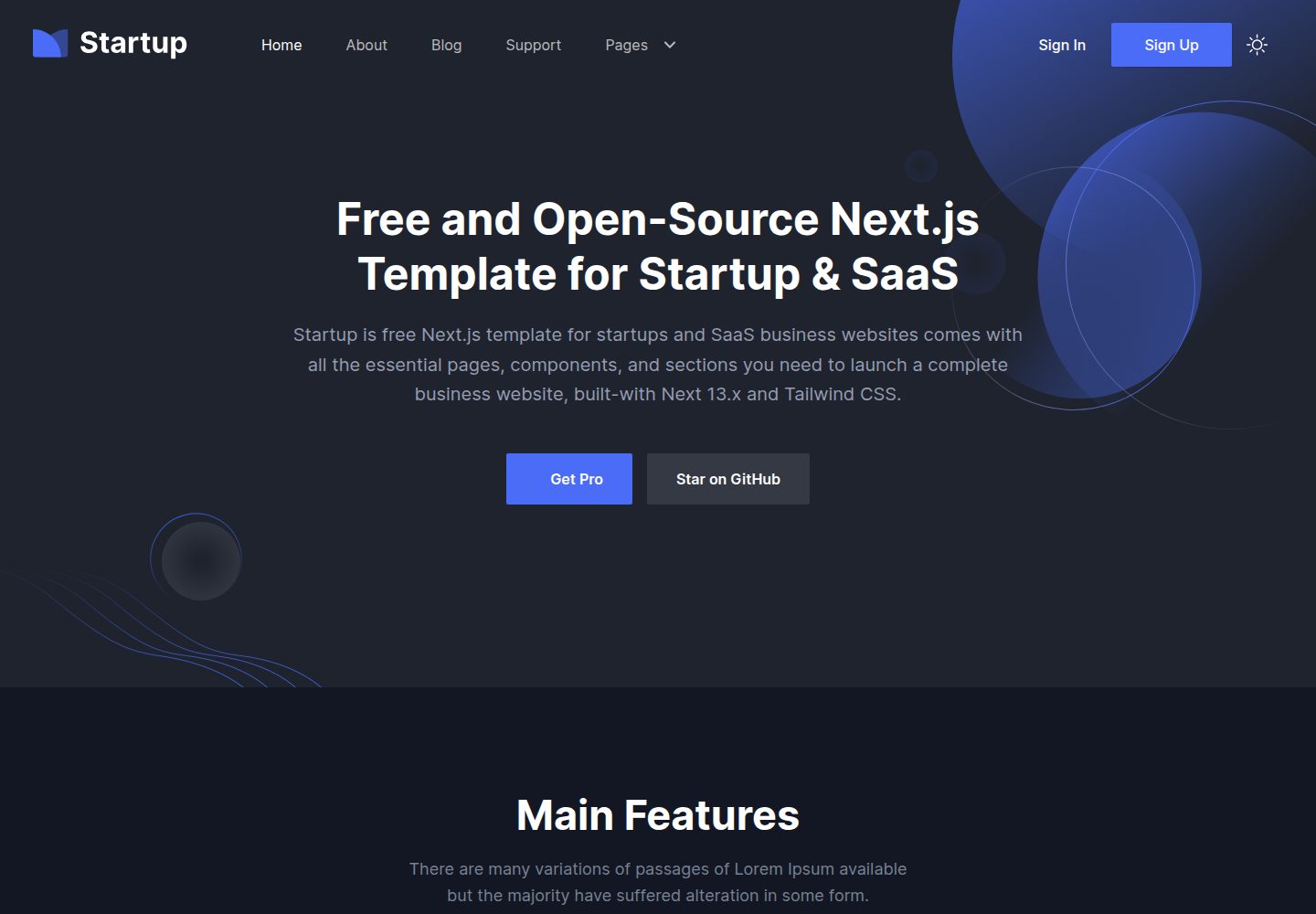
startup-nextjs
Startup is free Next.js template for SaaS startups comes with all the essential pages, components, and section…
Next.js · SaaS
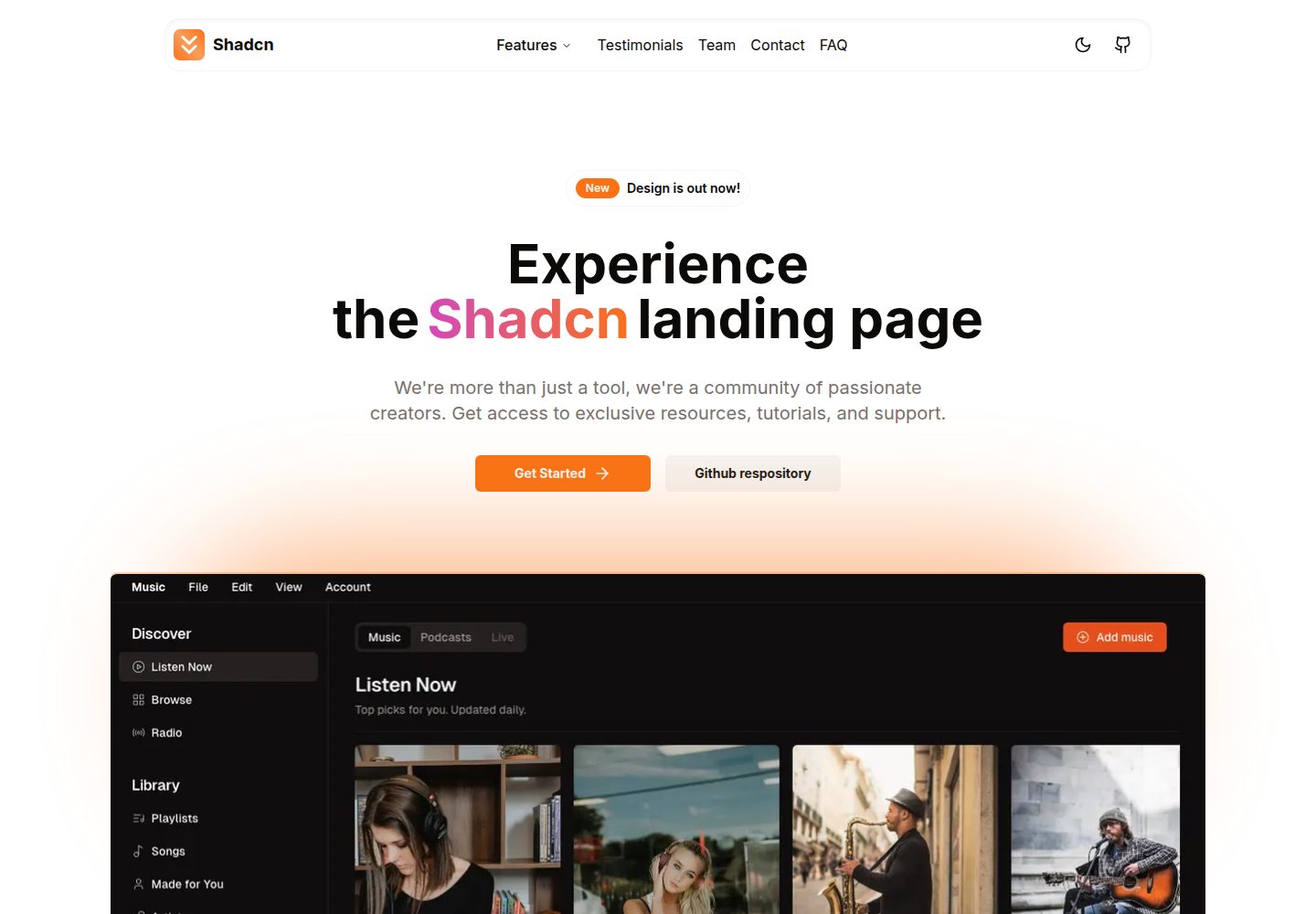
shadcn-landing-page
New design 🎉 Nextjs + Shadcn + TypeScript + Tailwind. Landing page template ease-to-use
Next.js · 企业官网
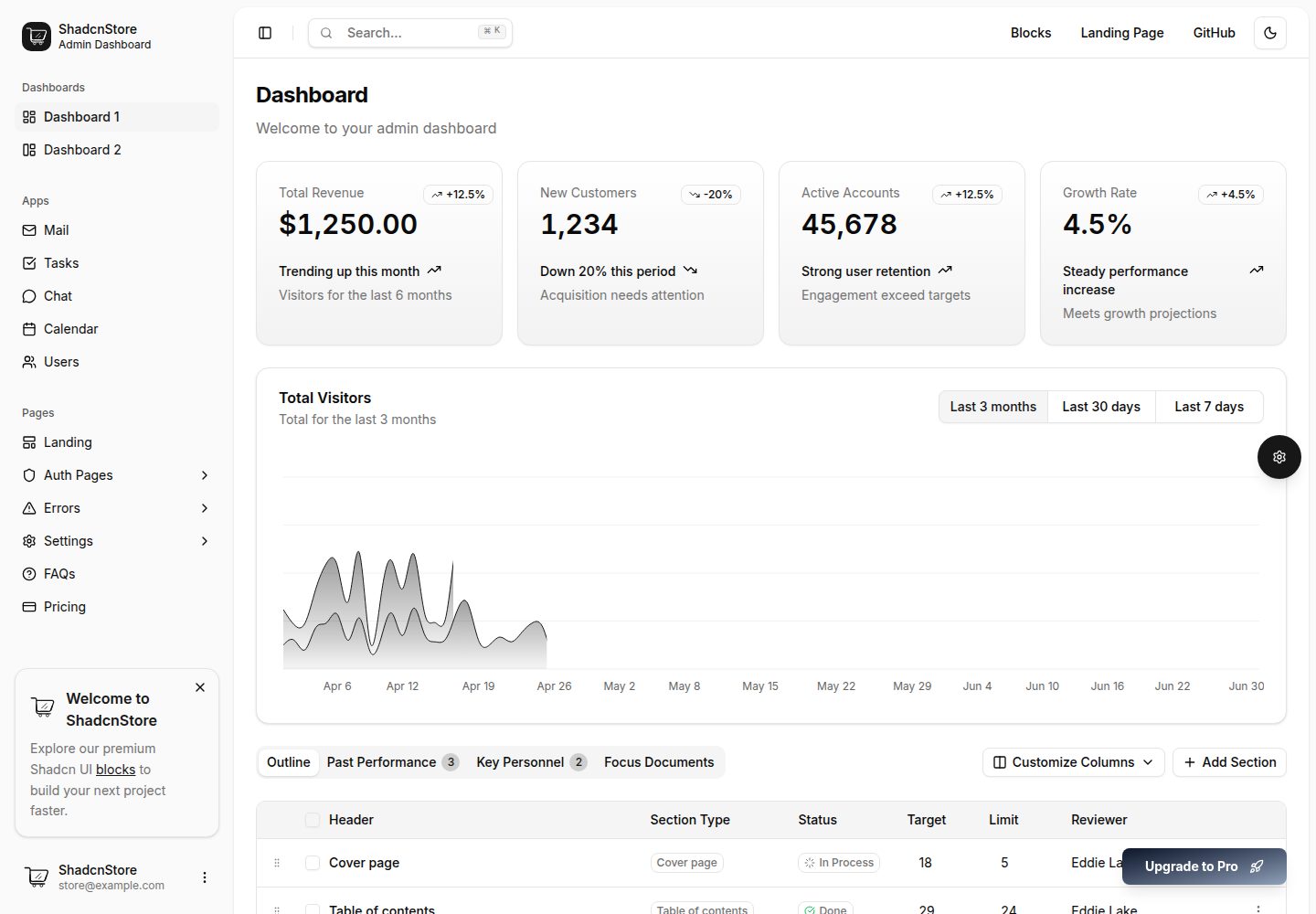
shadcn-dashboard-landing-template
Accelerate your development with a sleek, open-source admin dashboard and landing page built on Vite-React, Ne…
Next.js · 后台