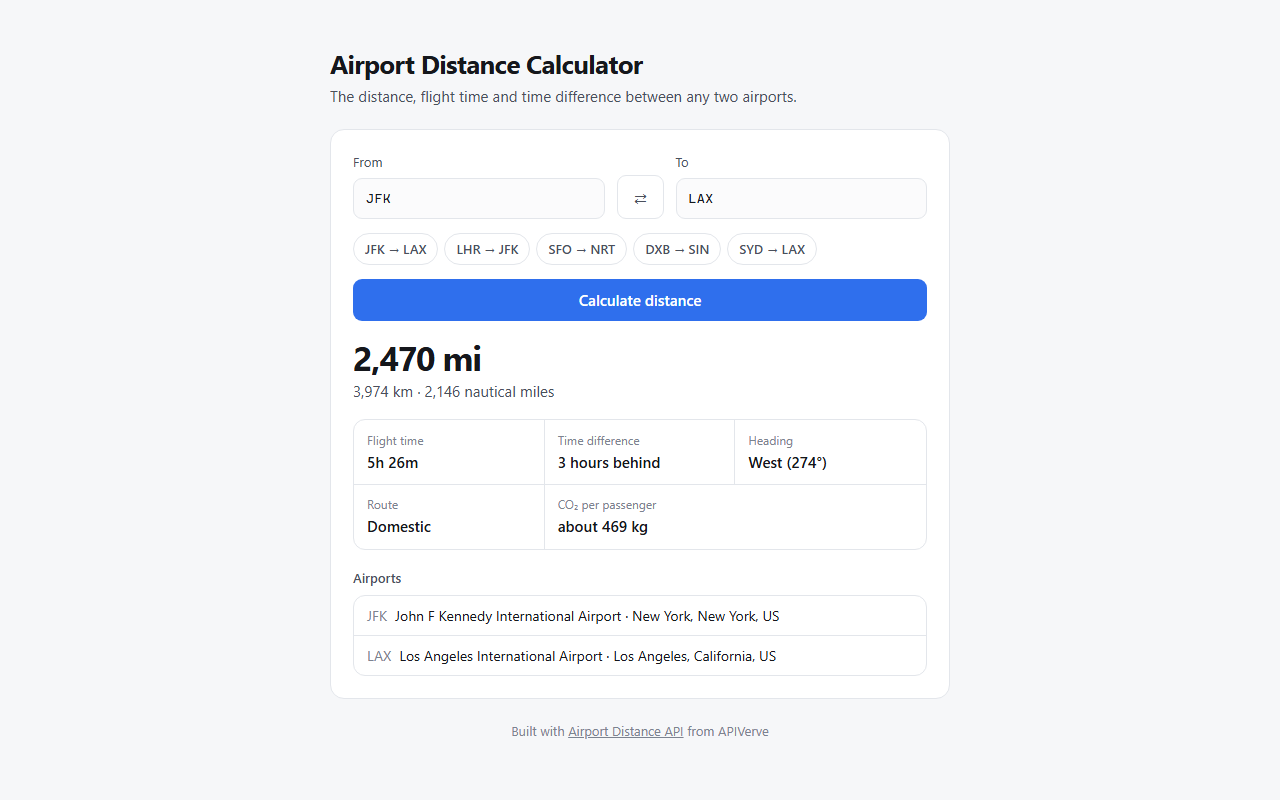
Enter two three-letter IATA airport codes to get distance (miles/kilometers) and estimated flight time
FlaskTool Site
airport-distance-python-tutorial — Flask Tool Template
By apiverve
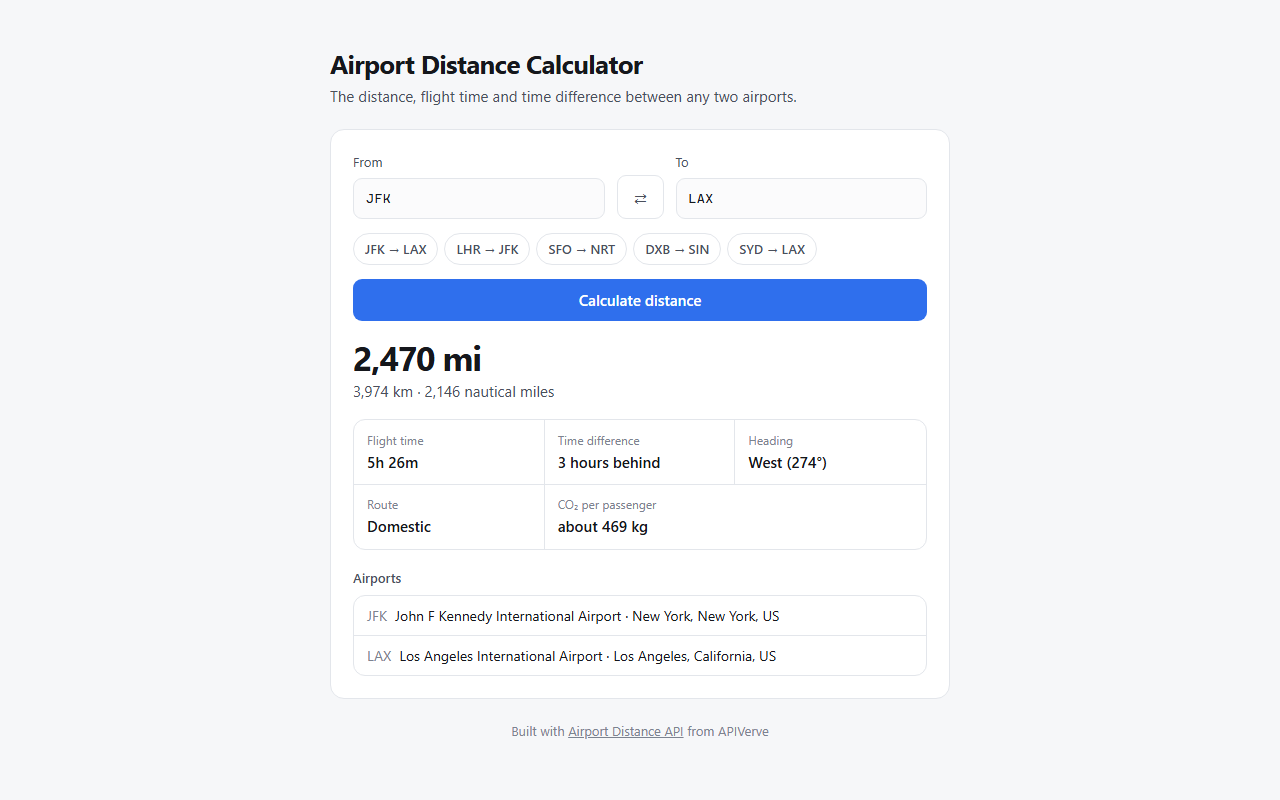
A Flask-based airport distance calculator template that looks up the distance and estimated flight time between two airports using three-letter IATA codes, offering both a web interface and a command-line script, with one-click deployment to Vercel.
Explore the design
Compare the page layouts and mobile experience. Open any screenshot for a closer look.
Author preview
Author-provided preview
Preview provided in the project README.
One original preview is available. Open the full image to inspect the design.
Screenshots show visual appearance; interactive behavior may differ.
Recorded 2026-10-01View source
What stands out
A quick read of the recorded project description.
Provides both a Flask web interface and a python distance.py command-line tool
API key is kept on the server; the browser never touches the key
Supports one-click deployment to Vercel, with app.py converted to a Python function and public/ served by CDN
The page uses plain HTML/CSS/JavaScript with no framework and no build step
Template Details
This template is a Python + Flask airport distance calculator. Enter two three-letter IATA airport codes to get the distance between them (in miles and kilometers) and the estimated flight time. The project provides both a web app and a command-line tool: the web version has public/index.html call the GET /api/distance endpoint, while the command-line version runs via python distance.py JFK LAX. Both share the same .env configuration.
The server-side logic is concentrated in app.py and apiverve.py: it first validates that both codes are 3 letters, then calls APIVerve's Airport Distance API with the API key. The API key stays on the server and is never sent to the browser. The page renders based on the actual returned fields; under the free plan, some fields are omitted when empty.
Before use, you need to register with APIVerve yourself and configure APIVERVE_API_KEY. The built-in rate limit is stored in memory and is not shared across serverless instances; the README recommends switching to shared storage (such as Upstash Redis), adding your own login, or calling the route only from your own backend in production. The project is MIT licensed, depends only on flask and requests, and uses plain HTML/CSS/JavaScript with no build step.
FlaskUtility site
Is it right for your project?
Use Cases
- Display the distance between two airports on a flight search or booking page
- Estimate trip mileage or carbon emission reference data for travel reports
- Serve as a sample project for learning Flask routing and third-party API calls
- Quickly look up the distance between two airport codes via the command line
Suitable For
- Developers who need airport distance and flight time lookup functionality
- Beginners who want to learn API integration and Vercel deployment through a small Flask project
- Lightweight scenarios that need quick IATA code distance lookups on a web page or command line
Getting started & customization
Use these recorded setup notes alongside the repository instructions for your chosen version.
- 1
Register with APIVerve to get an API key and write it to APIVERVE_API_KEY in .env
- 2
Local run: create a virtual environment, pip install -r requirements.txt, then run python app.py and visit http://localhost:3000
- 3
Command-line usage: python distance.py JFK LAX; without arguments it prompts for input
- 4
When deploying to Vercel, provide APIVERVE_API_KEY in the environment variables
- 5
The built-in rate limit is 10 requests per visitor per minute and stored in memory; before production use, switch to shared storage or add access control
License & source material
Usage conditions & limitations
Free to use · keep license noticeThis entry covers the free version under the MIT license in the public repository; the free scope applies to that version's code and does not mean external services or third-party assets are free.
Must comply with when using
- You may freely use, modify, commercialize, and distribute this version's code.
- When distributing copies or substantial portions of the code, retain the original author's copyright notice and the full MIT license notice.
- The code is provided as is; warranties and limitations of liability are governed by the original license and applicable law.
Additional costs & items to verify
- Using this template requires registering with APIVerve and configuring APIVERVE_API_KEY; otherwise neither the web page nor the command line can call the airport distance API.
- Under the free plan, some response fields (such as certain distance or flight time data) return empty values; full fields require a paid plan.
- The built-in rate limit is 10 requests per visitor per minute and is suitable only for demonstration purposes.
- The rate limit is stored in memory and is not shared across serverless instances; production environments need shared storage.
- For production deployment, add your own login authentication; otherwise any visitor will consume your API key quota.
- For production, migrate the rate limit to shared storage such as Upstash Redis, which may incur external service fees.
- You can also call the route only from your own backend to avoid publicly exposing your API key quota.
- The project materials mention an optional paid version or features; this entry covers only the public free code and does not include paid upgrades.
- Demo images, fonts, icons, and other third-party assets must be checked against their respective licenses and cannot be judged solely by the code's MIT license.
- External services such as domains, hosting, databases, payments, or AI may incur separate charges.
View Original Text Basis
Permission is hereby granted, free of charge
Original License Text
This template needs an APIVerve API key.
Original README
Some response fields are for paid plans and come back empty on the free plan.
Original README
Each visitor can make 10 requests a minute, which is fine for a demo.
Original README
The limit is kept in memory, so it isn't shared between serverless instances.
Original README
Put the page behind your own sign-in, or
Original README
Move the limit to a shared store such as [Upstash Redis](https://upstash.com/), or
Original README
https://github.com/apiverve/airport-distance-python-tutorial/blob/main/LICENSEhttps://github.com/apiverve/airport-distance-python-tutorial/blob/main/README.mdCall the route only from your own backend.
Original README
Compiled by DeepSeek based on repository license and README ·2026-10-01. Results only cover the materials read; dependencies, images, fonts, and subsequent term changes are subject to their respective original texts.
Project checks & description sources
Template Information
- Source platforms
- GitHub
- Documentation and maintenance reference score
- More documented · 80 / 100
- Technologies
- Flask
- Website type
- Tool Site
How this score is calculated
Our heuristic uses license records (up to 30), a demo link (12), a preview (10), stars (15), recorded maintenance (15), description completeness (8), feature records (5) and classification data (5). It is not a code, security or performance test, or a Google score. A link does not establish tested functionality.
What to verify for this project
- Repository update recorded
- 2026-09-19
- Screenshot last checked
- 2026-10-01
A demo link is listed. Check it with your own content and viewport sizes; its presence does not confirm that forms, authentication or payments work.
The catalog identifies Flask as the primary stack. Check the actual dependency manifest and lockfile for versions and hosting requirements. These notes use recorded metadata, not a code audit or a deployment test.
Use a selection guide →How this description was prepared
AI-assisted description based on catalog records and repository material. Repository authors are not automatically the reviewers of this description.
Automatically checked against source and license rules; no manual editorial review.
Inspect the recorded source material
SHA-256: c605ed2ea506a29bae323c5c60fd1840307d10a4e797011c7397479110c8d2a0
2026-10-01T02:44:49.593Z
Source file / repository# Airport Distance Calculator | APIVerve Template
[](LICENSE)
[](requirements.txt) [](app.py)
[](https://apiverve.com/marketplace/airportdistance?utm_source=github&utm_medium=template&utm_campaign=airport-distance-python-tutorial)
The distance and flight time between any two airports, from their 3-letter codes. A web app you can deploy, and a command-line tool.
[](https://vercel.com/new/clone?repository-url=https%3A%2F%2Fgithub.com%2Fapiverve%2Fairport-distance-python-tutorial&project-name=airport-distance&repository-name=airport-distance&env=APIVERVE_API_KEY&envDescription=Your%20APIVerve%20API%20key.%20Free%20to%20create%2C%20no%20card%20needed.&envLink=https%3A%2F%2Fdashboard.apiverve.com%2Fsignup%3Fapi%3Dairportdistance%26utm_source%3Dvercel%26utm_medium%3Dtemplate%26utm_campaign%3Dairport-distance-python-tutorial)
---
### Get your free API key
This template needs an APIVerve API key. **[Sign up free](https://dashboard.apiverve.com/signup?api=airportdistance&utm_source=github&utm_medium=template&utm_campaign=airport-distance-python-tutorial)**, no credit card required.
---
## Deploy in one click
Click **Deploy with Vercel** above. Vercel copies this repo to your GitHub account, asks for your `APIVERVE_API_KEY`, and gives you a live URL about a minute later.
## Run it locally
1. **Clone the repository**
```bash
git clone https://github.com/apiverve/airport-distance-python-tutorial.git
cd airport-distance-python-tutorial
```
2. **Install the dependencies**
```bash
python -m venv .venv
source .venv/bin/activate # Windows: .venv\Scripts\activate
pip install -r requirements.txt
```
3. **Add your API key**
```bash
cp .env.example .env
```
Then open `.env` and set `APIVERVE_API_KEY`.
4. **Start it**
```bash
python app.py
```
5. **Open** `http://localhost:3000`
`python app.py` serves the page and the API route together, so you don't need the Vercel CLI.
## Use it from the command line
```bash
python distance.py JFK LAX
```
Run it with no arguments to be prompted instead. It reads the same `.env` as the web app.
## How it works
1. The page (`public/index.html`) calls `GET /api/distance?from=JFK&to=LAX`.
2. `app.py` checks both codes are 3 letters, then calls Airport Distance. Your API key stays on the server and never reaches the browser.
3. The page shows the result.
```
├── app.py # Flask app: the /api/distance route, which holds your key
├── apiverve.py # Shared by app.py and distance.py: the key, the APIVerve call, the rate limit
├── distance.py # The command-line version
├── public/ # The page: index.html, app.js, ui.js, style.css
├── requirements.txt # flask, requests
├── .python-version # 3.12, for Vercel
└── .env.example # Copy to .env and add your key
```
### The API call
```python
res = requests.get(
'https://api.apiverve.com/v1/airportdistance',
params={'iata1': 'JFK', 'iata2': 'LAX'},
headers={'x-api-key': os.environ['APIVERVE_API_KEY']},
)
data = res.json()['data']
# data['distanceMiles'], data['distanceKm'], data['estimatedFlightTime']
```
Some response fields are for paid plans and come back empty on the free plan. The page shows whatever it gets and leaves the rest out, so it works on every plan.
## Before you share your URL
Once deployed, anyone who finds your URL can use it on your API key. Each visitor can make 10 requests a minute, which is fine for a demo. The limit is kept in memory, so it isn't shared between serverless instances. For production:
- Put the page behind your own sign-in, or
- Move the limit to a shared store such as [Upstash Redis](https://upstash.com/), or
- Call the route only from your own backend.
## Ideas to extend it
- Show the distance on a flight search or booking page
- Estimate travel emissions for trip reports
- Look up the airports themselves with [Airports Lookup](https://apiverve.com/marketplace/airports?utm_source=github&utm_medium=template&utm_campaign=airport-distance-python-tutorial)
## API reference
- [Airport Distance](https://apiverve.com/marketplace/airportdistance?utm_source=github&utm_medium=template&utm_campaign=airport-distance-python-tutorial): `GET https://api.apiverve.com/v1/airportdistance?iata1=&iata2=`
- [Full documentation](https://docs.apiverve.com?utm_source=github&utm_medium=template&utm_campaign=airport-distance-python-tutorial)
## Tech stack
- **Flask** for the API route, with **requests** to call APIVerve (Python 3.12)
- Plain HTML, CSS and JavaScript for the page: no framework and no build step
- Deploys to Vercel as-is: `app.py` becomes a Python function and `public/` is served from the CDN
## License
MIT. See [LICENSE](LICENSE).
Explore similar templates
Compare previews and descriptions within the same stack and category.
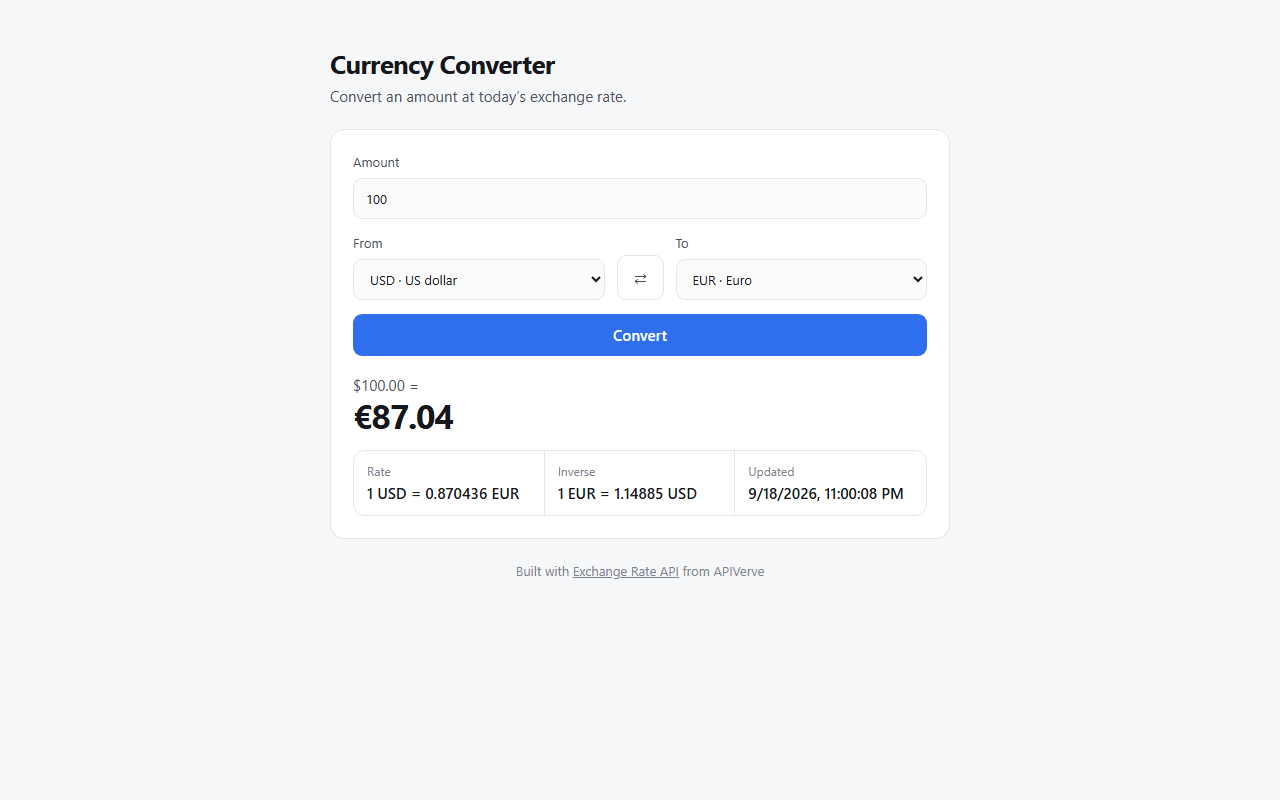
currency-converter-python-tutorial
A Flask-based currency conversion template that converts between 21 currencies at the current day's exchange rate via the APIVerve exchange rate API.
Flask · Tool Site
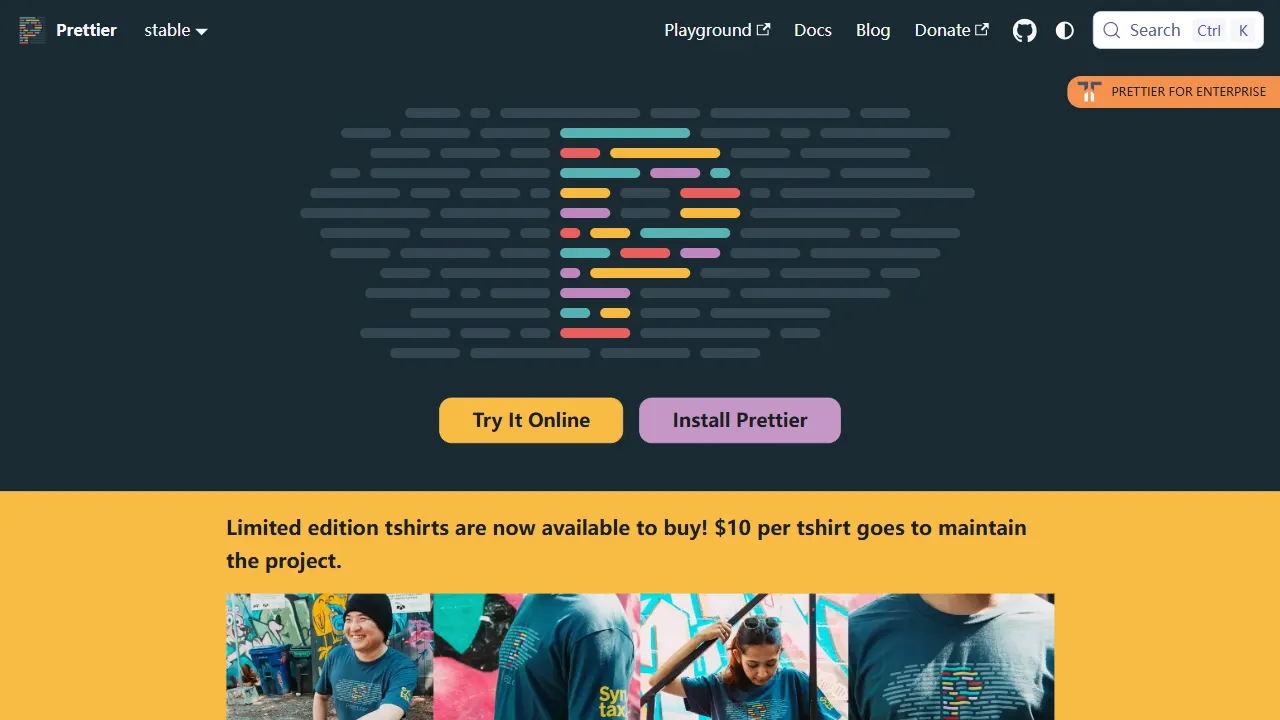
prettier
Prettier is an open-source code formatting tool whose official repository includes a runnable online Playground. It supports JavaScript, TypeScript, CSS, HTML, Vue, Angular, and more, and can be extended via plugins.
Vue · Tool Site
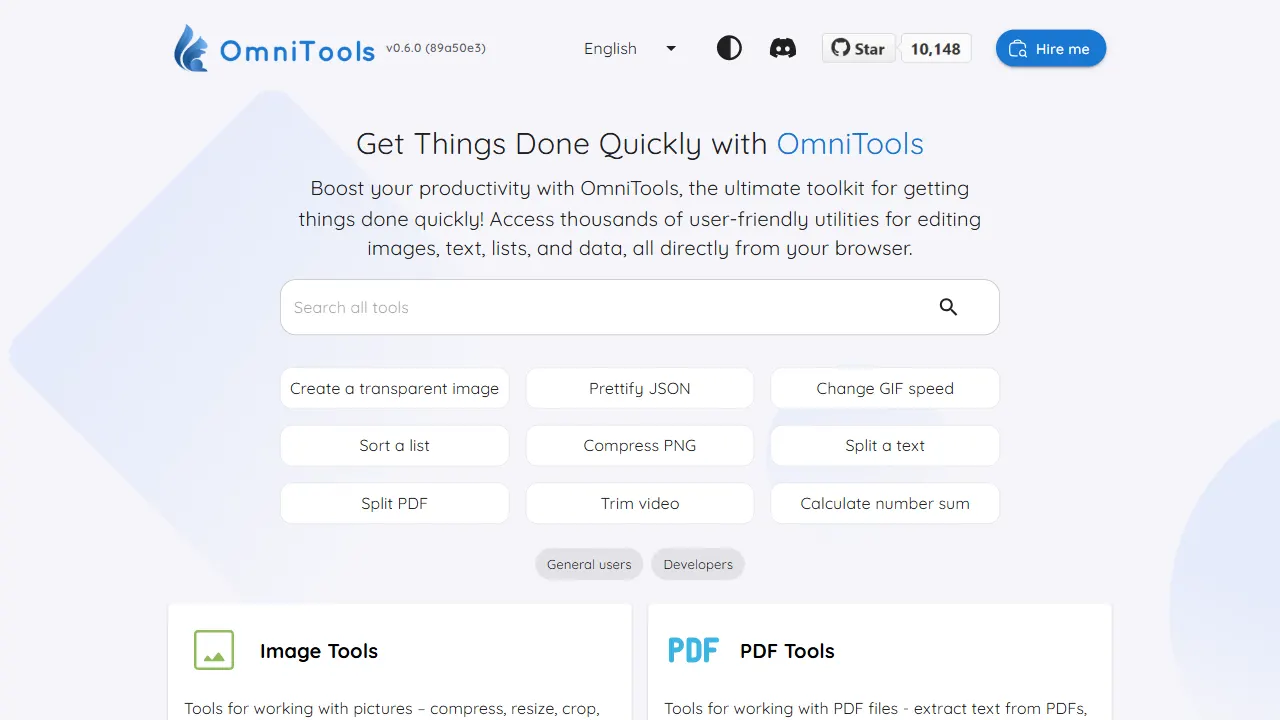
OmniTools
A self-hosted React and TypeScript tool site that runs image, video, PDF, text, date, math, and data utilities entirely in the browser.
React · Tool Site
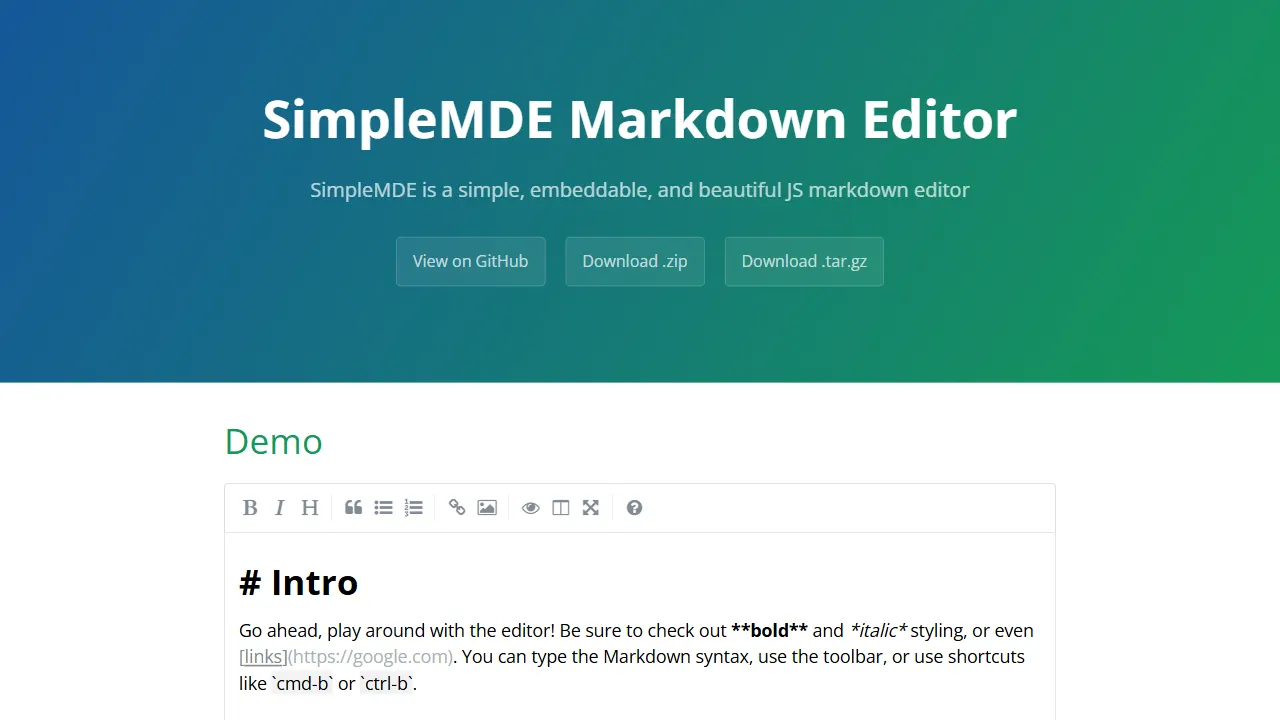
simplemde markdown editor
SimpleMDE is an open-source, lightweight Markdown editor JavaScript component that replaces textarea with a WYSIWYG-like experience, real-time syntax rendering, autosave, spell checking, and a configurable toolbar. It includes an online demo and can be integrated via npm, bower, or CDN.
JavaScript · Tool Site
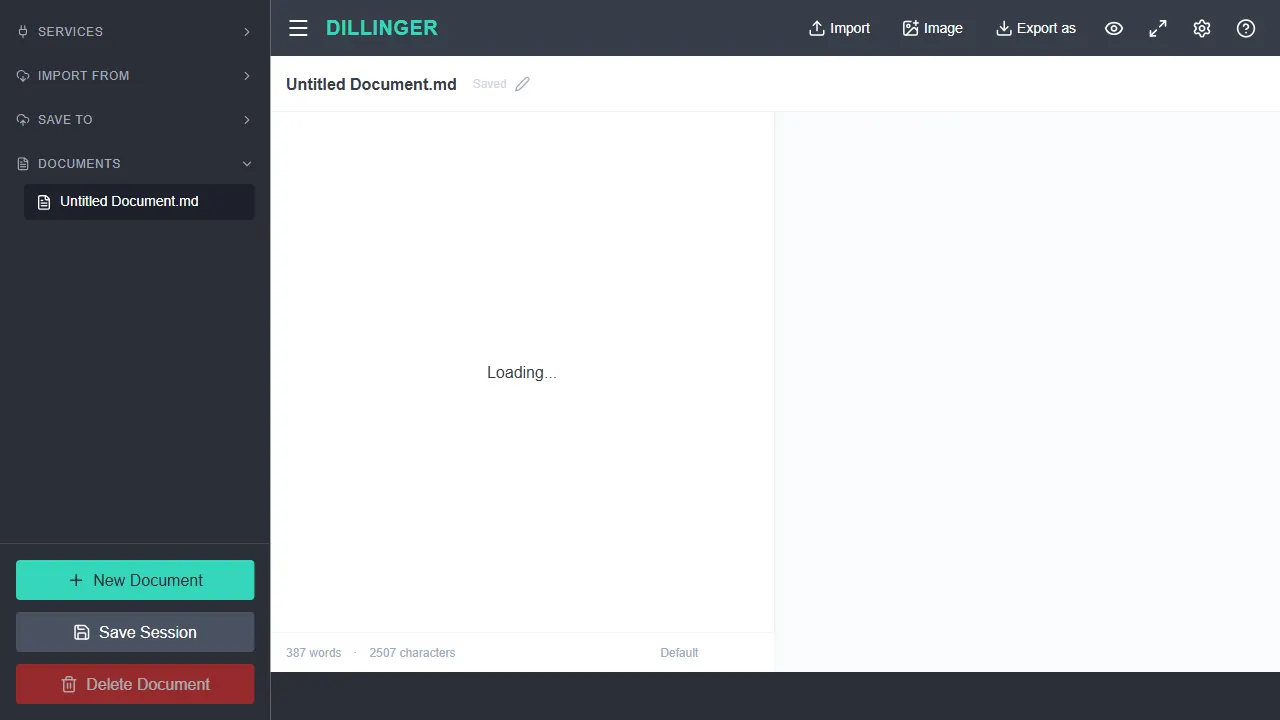
dillinger
Dillinger is a Markdown editor built on Next.js 14 with Monaco Editor, offering a VS Code-like editing experience, live preview, scroll sync, Zen mode, drag-and-drop import, local autosave, and export to Markdown, HTML, and PDF.
TypeScript · Tool Site
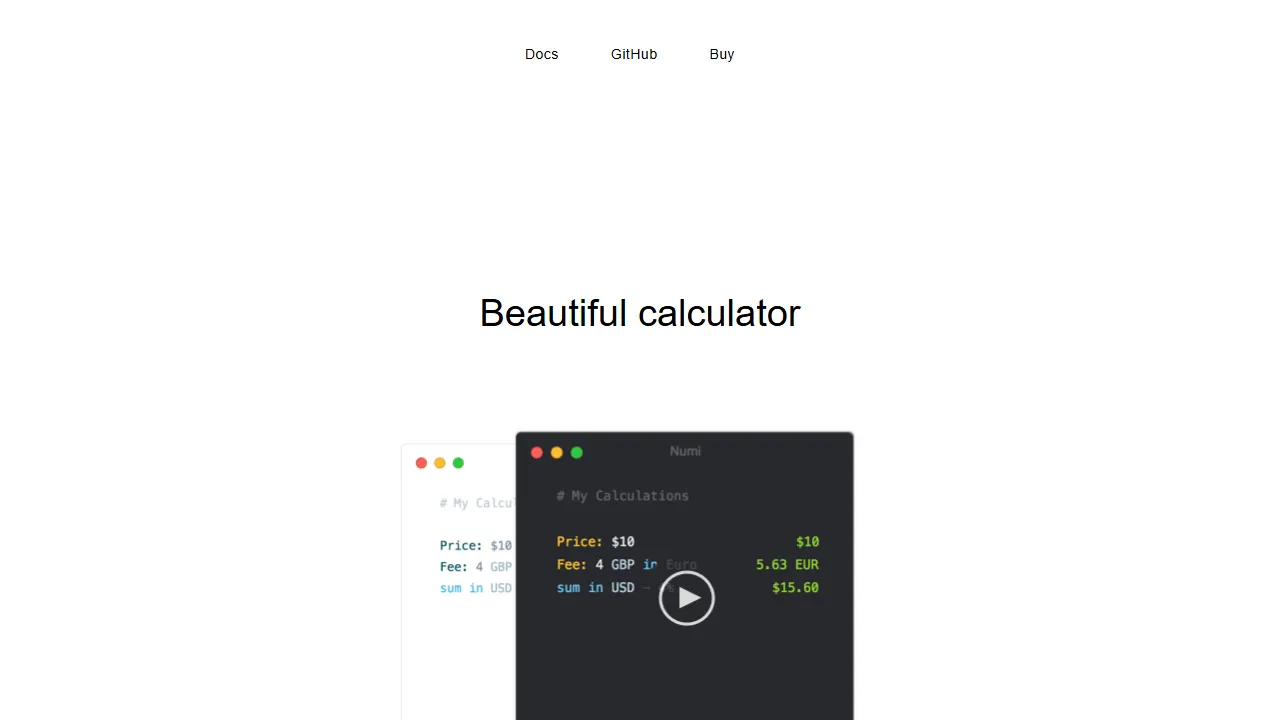
numi
An open-source natural language calculator with macOS, Windows, and terminal versions plus an Alfred extension. It parses expressions like currency conversions, date arithmetic, and discounts instantly.
JavaScript · Tool Site