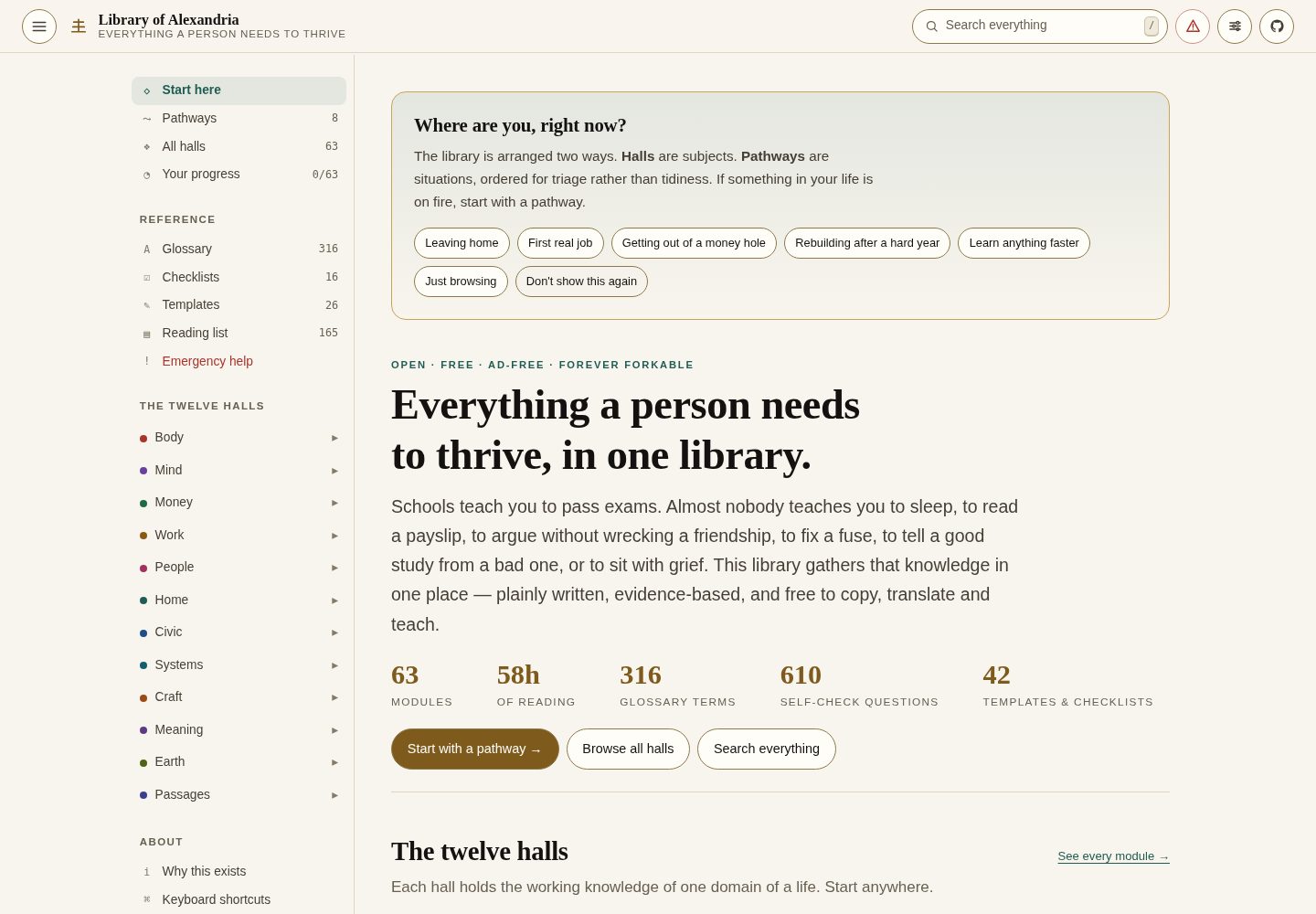
12 个馆、63 个模块,覆盖身体、心智、金钱、工作、人际、居家、公民、系统、手艺、意义、地球和人生阶段。
HTML目录站企业官网
library-of-alexandria — HTML 目录站模板
作者 sobanan-breakthrough
一个开源学习平台,将睡眠、金钱、冲突、权利等实用生活知识组织为12个馆、63个模块的课程,内容以Markdown和JSON存储,无需构建步骤即可本地运行。
看看你的网站会是什么样
浏览真实页面截图,比较内容排版与手机效果。点击下方缩略图切换,放大查看整页细节。
全部页面与视图 2
截图用于了解视觉与布局,交互效果请以实际项目为准。
采集于 2026-10-13查看来源
值得关注的模板亮点
从已有项目资料中,快速了解它的特点。
每个模块遵循统一结构:一个行动项、核心知识、实践、常见陷阱、常见问题、迷思、失败模式、自检问题等。
包含词汇表(294 个术语)、清单(16 个)、模板(26 个)、阅读列表(165 个来源)和紧急情况目录(12 个场景)。
无需构建步骤或依赖,使用 HTML、CSS、原生 JavaScript、JSON 和 Markdown,通过 python3 -m http.server 即可本地运行。
支持离线访问,服务工作线程预缓存外壳、数据文件和紧急页面;进度、书签、笔记等存储在浏览器 localStorage 中。
内容以 Markdown 存储,结构以 JSON 存储,便于分叉、翻译和本地化。
模板详细介绍
Library of Alexandria 是一个免费、开源的学习平台,旨在将成为一个有能力的人所需的实用知识——睡眠、金钱、冲突、权利、证据、维修、照护、意义等——汇集为单一课程。README 说明其包含 12 个馆、63 个模块、约 124,000 字正文,以及词汇表、清单、模板、阅读列表和紧急情况目录等参考层。每个模块遵循统一结构,包括一个行动项、核心知识、实践、常见陷阱、常见问题、迷思、失败模式、自检问题等。平台内容以 Markdown 存储,结构以 JSON 存储,可被分叉、翻译、打印或用于教学。
技术方面,README 明确说明无需构建步骤、无依赖、无包管理器,仅使用 HTML、CSS、原生 JavaScript、JSON 和 Markdown。本地运行需通过 python3 -m http.server 启动服务器,因为页面使用 fetch 加载课程和内容文件。平台使用哈希路由,支持搜索、词汇表装饰、阅读偏好、本地存储进度和离线缓存。内容采用 CC BY-SA 4.0 许可,代码采用 MIT 许可。
README 未提供关于生产环境部署、可扩展性、性能基准或与其他系统集成的说明。其内容为通用生活知识,不构成专业建议,法律、福利和健康指导因国家而异且会变化。
HTML目录站企业官网
适合你的项目吗?
适用场景
- 个人自学实用生活技能,如睡眠管理、债务处理、冲突解决、租赁权益等。
- 教育者或社区组织使用其模块和模板进行教学或工作坊。
- 开发者或翻译者分叉仓库,将内容翻译为其他语言或适配本地法律与服务。
- 在无网络环境下通过离线缓存访问紧急情况目录和已读模块。
适合人群
- 希望免费获取结构化生活知识的学习者。
- 需要可打印、可教学材料的教师或培训者。
- 愿意贡献修正、翻译或新模块的开源贡献者。
- 需要在本地运行或自行托管静态站点的开发者。
上手与定制指南
结合仓库当前版本的说明,按下面的资料检查内容、配置与运行要求。
- 1
克隆仓库:git clone https://github.com/sobanan-breakthrough/library-of-alexandria.git
- 2
进入目录并启动本地服务器:cd library-of-alexandria && python3 -m http.server 8000
- 3
在浏览器中打开 http://localhost:8000;必须使用服务器,因为页面通过 fetch 加载课程和内容文件。
- 4
提交前可运行 python3 tools/validate.py && python3 tools/build_index.py 进行验证和生成索引。
授权与来源资料
使用条件与限制
免费使用 · 保留许可声明本次收录的是公开仓库中采用 MIT 许可的免费版本;免费范围为该版本代码,不代表外部服务或第三方素材免费。
使用时需要遵守
- 允许免费使用、修改、商用和分发该版本代码。
- 分发代码副本或实质性部分时,保留原作者版权声明和完整 MIT 许可声明。
- 代码按现状提供;担保与责任限制以原许可证及适用法律为准。
额外费用与待核对事项
- 演示图片、字体、图标及其他第三方素材需按各自许可核对,不能仅凭代码的 MIT 许可判断。
- 域名、托管、数据库、支付或 AI 等外部服务可能另外收费。
- 本项目内容不构成专业建议,不能替代医生、律师、债务顾问或危机热线;法律、福利和健康指导因国家而异且会随时间变化。
- 紧急情况下应使用所在地区的紧急服务,而非依赖本平台内容。
- 本地运行必须通过 HTTP 服务器访问,因为页面使用 fetch 加载课程和内容文件;直接以文件方式打开 index.html 会被浏览器阻止。
- 本地化时需替换特定司法管辖区的章节和指向的服务,尤其是紧急情况目录中的错误号码可能造成危险。
- “Go deeper”和阅读列表中列出的第三方作品仍归其作者所有,仅为引用而非复制。
查看原文依据
Permission is hereby granted, free of charge
许可证原文
Not professional advice, and not a substitute for a doctor, lawyer, debt adviser or
README 原文
**In an emergency, use the emergency services where you live.**
README 原文
Then open <http://localhost:8000>. A server is needed because the page `fetch`es the
README 原文
`data/emergency.json`, where wrong numbers are actively dangerous.
README 原文
https://github.com/sobanan-breakthrough/library-of-alexandria/blob/main/LICENSEhttps://github.com/sobanan-breakthrough/library-of-alexandria/blob/main/README.mdThird-party works listed in "Go deeper" and the reading list remain the property of
README 原文
DeepSeek 根据仓库许可证和 README 整理 ·2026-10-13。结果仅覆盖已读取资料,依赖、图片、字体及后续条款变更以各自原文为准。
项目核对记录与介绍依据
模板资料
- 来源平台
- GitHub
- 资料与维护参考分
- 资料较完整 · 85 / 100
- 技术栈
- HTML
- 网站类型
- 目录站 · 企业官网
这个分数如何计算
本站按许可资料(最高30分)、演示链接(12分)、预览图(10分)、Star数(15分)、记录的维护时间(15分)、描述完整度(8分)、功能记录(5分)和分类资料(5分)计算。它不是代码、安全或性能测试,也不是 Google 评分;有链接不代表已实测可用。
这个项目需要核对什么
- 记录的仓库更新时间
- 2026-08-28
- 截图检查日期
- 2026-10-13
已收录演示链接。请用你的内容与屏幕尺寸检查;有演示不代表表单、认证或支付已经可用。
目录记录的主要技术栈是 HTML。请通过依赖清单和锁文件核对实际版本与托管要求。这些说明基于收录资料,不代表代码审计或部署实测。
查看具体选型方法 →介绍的制作与核对状态
介绍由 AI 辅助整理目录与仓库资料。仓库作者不等于这篇介绍的审核者。
审核声明: codex-user-requested-batch-review-20261015 · 2026-10-15
查看当时使用的来源资料
SHA-256: 969ed530f9f96cac020d7a59165cfe1983c34a3af81219e590144bc18aba2a80
2026-10-13T21:45:58.216Z
来源文件 / 仓库# Library of Alexandria **Everything a person needs to thrive, in one open library.** A free, open-source learning platform gathering the practical knowledge of being a capable human being — sleep, money, conflict, rights, evidence, repair, care, meaning — into a single curriculum that anyone can read, fork, translate, print or teach from. | | | | --- | --- | | **12** halls | **63** modules · **124,000** words of prose | | **8** pathways | ordered for triage, not tidiness | | **316** glossary terms | linked to the modules that use them, and underlined in the text | | **610** self-check questions | ~10 per module, retrieval-practice style | | **26** templates | the actual words: letters, scripts, forms | | **16** checklists | 211 tickable, printable items | | **165** catalogued sources | 105 of them free | | **12** emergency situations | what to do in the first minutes, works offline | | **164,000** words in total | prose plus every reference layer | Accessibility: **WCAG 2.2 AA**, verified across every route with a purpose-built audit harness — zero findings over ~5,000 checked text nodes, and 0 of 256 colour pairs below threshold in all four themes. - 📖 **[Browse the whole curriculum](CURRICULUM.md)** - 🌐 **Live site: <https://sobanan-breakthrough.github.io/library-of-alexandria/>** - 🤝 **[Contributing](CONTRIBUTING.md)** — corrections, translations and new modules welcome --- ## Why this exists A person can leave school able to factorise a quadratic and unable to read a tenancy agreement. The knowledge that most determines whether a life goes well — how to sleep, how debt works, how to argue without wrecking a friendship, how to tell a good study from a bad one, what to do in the first five minutes of a cardiac arrest, how to sit with grief — is treated as something you pick up by luck, from a family that happened to know it. That is a distribution problem, not a difficulty problem. This library is an attempt to fix the distribution. ## The twelve halls | | Hall | What it holds | | --- | --- | --- | | 01 | **Body** | Sleep, food, movement, navigating healthcare, first aid | | 02 | **Mind** | Learning, clear thinking, attention, emotion, mental health | | 03 | **Money** | Cashflow, debt, tax, investing, scams and consumer rights | | 04 | **Work** | Finding work, portfolios, interviews, rights, negotiation, self-employment | | 05 | **People** | Listening, conflict and repair, friendship, love, boundaries, family | | 06 | **Home** | Cooking, renting, repairs, admin, clothes and kit | | 07 | **Civic** | Law and rights, how power works, media literacy, privacy, organising | | 08 | **Systems** | Statistics, computing, AI literacy, evidence, systems thinking | | 09 | **Craft** | Making things, writing, speaking, creative practice, tools | | 10 | **Meaning** | Purpose, ethics, mortality, grief, rest and play | | 11 | **Earth** | Supply chains, climate, growing food, weather, wilderness | | 12 | **Passages** | Adulthood, moving out, first job, parenthood, caring, the end | ## What a module contains Every one of the 63 modules follows the same contract, so a reader always knows where to look: - a one-line hook, and **one thing to do** before any reading - **Why this matters** — including who it goes wrong for, and why it is not their fault - **Core knowledge** — bolded claims in plain language, with numbers where they exist - **Practices** — imperative, doable this week, with no money - **Common traps** and **Signals you have it** - **Common questions** — six to eight, written as the questions people actually arrive with rather than the ones that are tidy to answer - **Myths worth killing** — false beliefs, including several that popular books and well-meaning advice get wrong - **When it goes wrong** — failure modes with a route out; or **Where this differs by country** for the law-, money- and benefits-heavy modules - most modules also carry a **worked example**, a **numbers worth knowing** table, or **word-for-word scripts** — and a tickable checklist - **Go deeper** — free, public sources first - around ten **self-check questions**, because retrieval is what makes knowledge stick Anything jurisdiction-specific is marked with a country and a year. Anywhere a reader could come to harm carries a `::: safety` callout with a named service and a number. ## Beyond the modules - **[Glossary](data/glossary.json)** — 294 terms. If a word in this library feels like gatekeeping, it belongs here. Terms are underlined in the prose and link to their definition. - **[Checklists](data/checklists.json)** — move-in day, money triage, digital hardening, the four documents, the day pack. Ticks persist; every list prints cleanly. - **[Templates](data/templates.json)** — a disrepair report, a creditor hardship letter, a grievance, the pay rise conversation, a condolence message, the first hour after a scam. Placeholders are fillable in the page and the result copies to your clipboard. - **[Reading list](data/reading.json)** — the sources behind the content, free ones first, each with an honest note including where a popular book overstates its case. - **[Emergency directory](data/emergency.json)** — twelve situations, the first steps, and who to call. Precached, so it works with no connection. ## Principles - **Assume nothing.** No prior study, no jargon, no gatekeeping. - **Plain language.** If a sentence needs re-reading, that is our fault. - **Practice over theory.** Every module names one thing to do this week. - **Show the source.** Claims are signposted to free, public, authoritative material. - **Name the limits.** Where a decision needs a doctor, lawyer or adviser, we say so. - **No dark patterns.** No accounts, no adverts, no tracking, no upsell, no streak guilt. Progress lives in your browser and nowhere else. - **Never assume resources.** No "ask your accountant", no "your parents can help". - **Forkable by design.** Content is Markdown; structure is JSON. ## What this is not Not professional advice, and not a substitute for a doctor, lawyer, debt adviser or crisis line. Law, benefits and health guidance vary by country and change over time. **In an emergency, use the emergency services where you live.** ## Run it locally No build step, no dependencies, no package manager. HTML, CSS, vanilla JS, JSON and Markdown. ```bash git clone https://github.com/sobanan-breakthrough/library-of-alexandria.git cd library-of-alexandria python3 -m http.server 8000 ``` Then open <http://localhost:8000>. A server is needed because the page `fetch`es the curriculum and content files; opening `index.html` from disk is blocked by browsers. ## Repository layout ``` index.html the application shell manifest.webmanifest installable as an app sw.js offline support; precaches the shell and emergency page assets/css/styles.css one stylesheet: tokens, four themes, no framework assets/js/markdown.js escape-first Markdown renderer (~200 lines) assets/js/store.js everything remembered, and nothing sent anywhere assets/js/data.js loading, indexing and search scoring assets/js/ui.js palette, preferences, sidebar, glossary decoration assets/js/app.js router and every view data/curriculum.json the spine: halls, modules, levels, times, tags, pathways data/glossary.json 294 terms data/selfcheck.json 315 questions data/templates.json 26 letters, scripts and forms data/checklists.json 16 checklists data/reading.json 165 catalogued sources data/emergency.json 12 emergency situations content/<hall>/<mod>.md one Markdown file per module tools/validate.py structural and editorial checks (CI runs this) tools/build_index.py regenerates CURRICULUM.md tools/merge_sections.py inserts new sections into existing modules CURRICULUM.md generated human-readable index ``` ## How the platform works - **`data/curriculum.json` is the spine.** Add a module entry and a Markdown file and the site picks it up — no code changes. - **Hash routing**, so it works on any static host with no rewrites: `#/hall/body`, `#/module/body/sleep`, `#/path/leaving-home`, `#/glossary?t=APR`, `#/checklist/move-in-day`, `#/template/grievance`, `#/emergency`, `#/progress`. - **Markdown is rendered in the browser** by `assets/js/markdown.js`, which escapes input *before* parsing, so content files can never inject HTML or script. It supports tables, task lists and `::: note | safety | example | script | numbers | jurisdiction | details` callouts. - **Search** (`/` or `Cmd-K`) covers modules, sections, glossary, checklists, templates, resources, pathways and emergency situations. Scoring only allows mid-word matches for queries of five characters or more, so "rent" does not match "current". Each module carries **aliases** — the words people actually type, like "skint", "sacked", "hacked", "bailiffs" — so search finds the right module even when it never uses that word. - **Glossary decoration** underlines the first appearance of each known term in a module and links it to the definition. Toggleable in reading preferences. - **Reading preferences**: four themes (dark, light, sepia, high contrast), four text sizes, three line widths, four typefaces including a legibility face, plus toggles for glossary underlining and the page outline. - **Everything is local.** Progress, bookmarks, notes, checklist ticks, self-check marks and preferences live in `localStorage`. No server, no account, no analytics, no outbound requests. You can export it all to a JSON file and import it elsewhere. - **Offline.** A service worker precaches the shell, all six data files and the emergency directory; module Markdown is cached as you read it. - **Keyboard**: `/` or `Cmd-K` search · `g` then `h/p/g/c/t/r/e` to jump · `j`/`k` next and previous module · `m` mark complete · `b` bookmark · `t` cycle theme · `?` shortcut list. ## Validate before you commit ```bash python3 tools/validate.py && python3 tools/build_index.py ``` `validate.py` checks all seven data files and their cross-references: that every module has a content file, that internal links and related-module references resolve, that required sections exist, that callout types are known and balanced, that glossary terms are unique and linked, that templates and checklists point at real modules, and that nothing is a stub. `--strict` treats warnings as failures. CI runs the same check on every pull request. ## Translating and localising The structure is deliberately separable from the prose: 1. Fork the repo. 2. Translate the Markdown in `content/`, keeping filenames identical. 3. Translate the `title`, `summary`, `tagline`, `description`, `oneThing` and `aliases` strings in `data/curriculum.json`, and the reference corpora in `data/`. 4. Replace the jurisdiction-specific sections and signposted services with local equivalents. This matters most in Money, Work, Home, Civic and Passages, and in `data/emergency.json`, where wrong numbers are actively dangerous. 5. Open a pull request, or publish your own edition. Both are welcome. ## Licence - **Content** (`content/`, `data/`, `CURRICULUM.md`): [CC BY-SA 4.0](LICENSE-CONTENT) — copy it, adapt it, teach from it, print and sell an edition; keep it open and credit it. - **Code** (`index.html`, `assets/`, `tools/`, `sw.js`): [MIT](LICENSE). Third-party works listed in "Go deeper" and the reading list remain the property of their authors; they are references, not reproductions.
看看同类模板
对比同技术栈与用途的模板,找到更适合的视觉与内容结构。
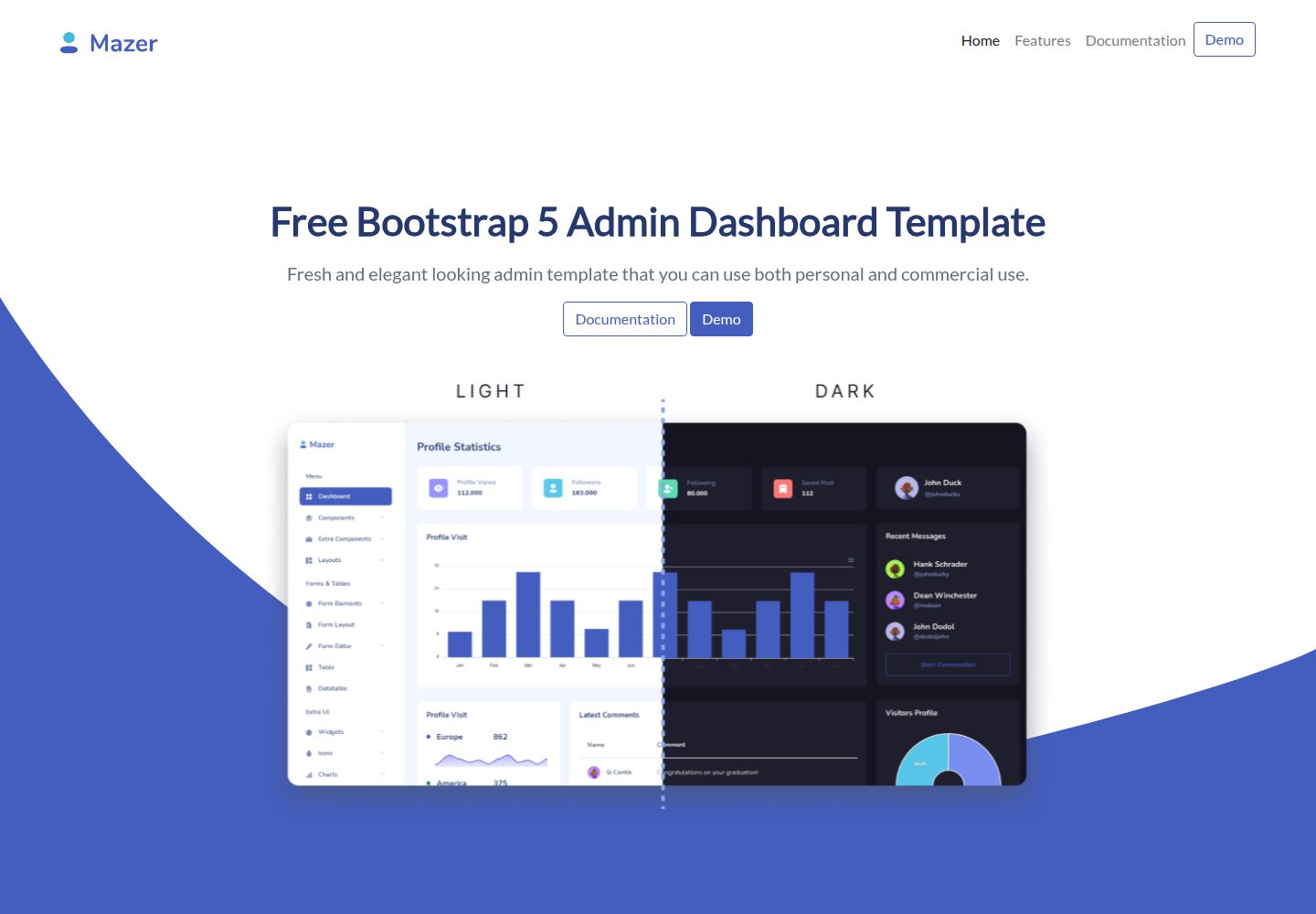
mazer
Free and Open-source Bootstrap 5 Admin Dashboard Template and Landing Page
HTML · 后台

Freelancer
Freelancer 是 Start Bootstrap 出品的单页作品集模板,专为自由职业者、设计师和小型工作室设计。 页面结构清晰,包含多个内容区块、响应式作品集网格,每个作品项目配有模态窗口展示详情。
HTML · 作品集
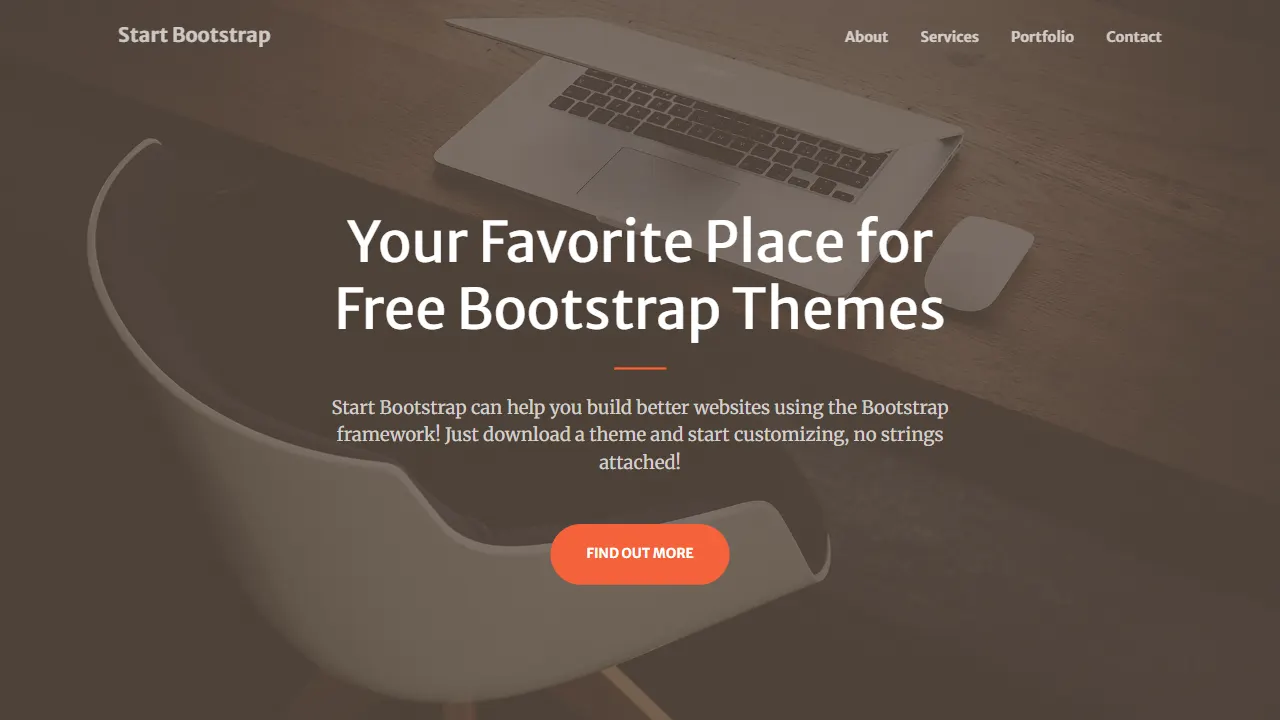
Creative
Creative 是 Start Bootstrap 团队维护的一款单页营销模板,定位明确:为创意机构或产品服务提供一个以作品展示和行动号召为核心的落地页。
HTML · 企业官网
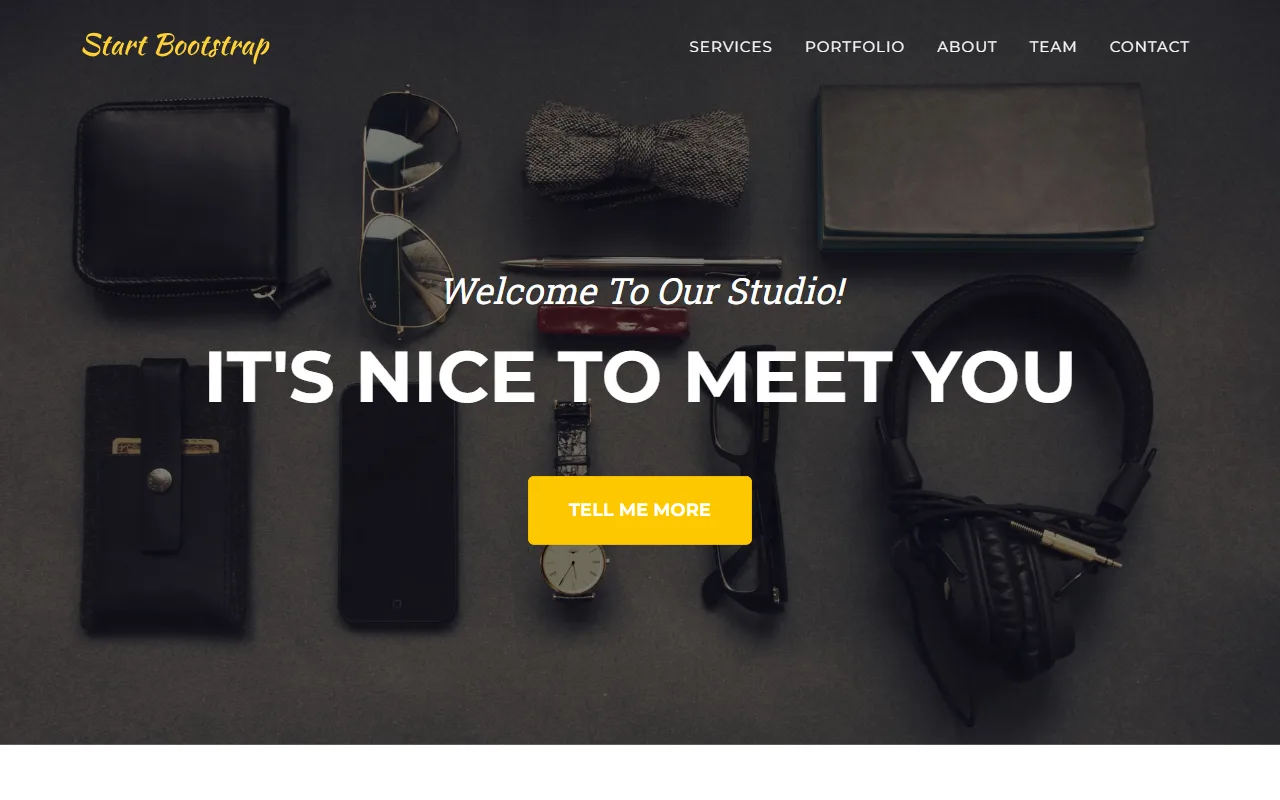
startbootstrap-agency
Agency 是 Start Bootstrap 维护的单页代理商作品集主题,基于 Bootstrap 构建,MIT 许可。
HTML · 企业官网

startbootstrap-landing-page
这是 Start Bootstrap 系列中一款通用型落地页模板,基于 Bootstrap 构建,定位是给产品或服务做单页推广。
HTML · 企业官网
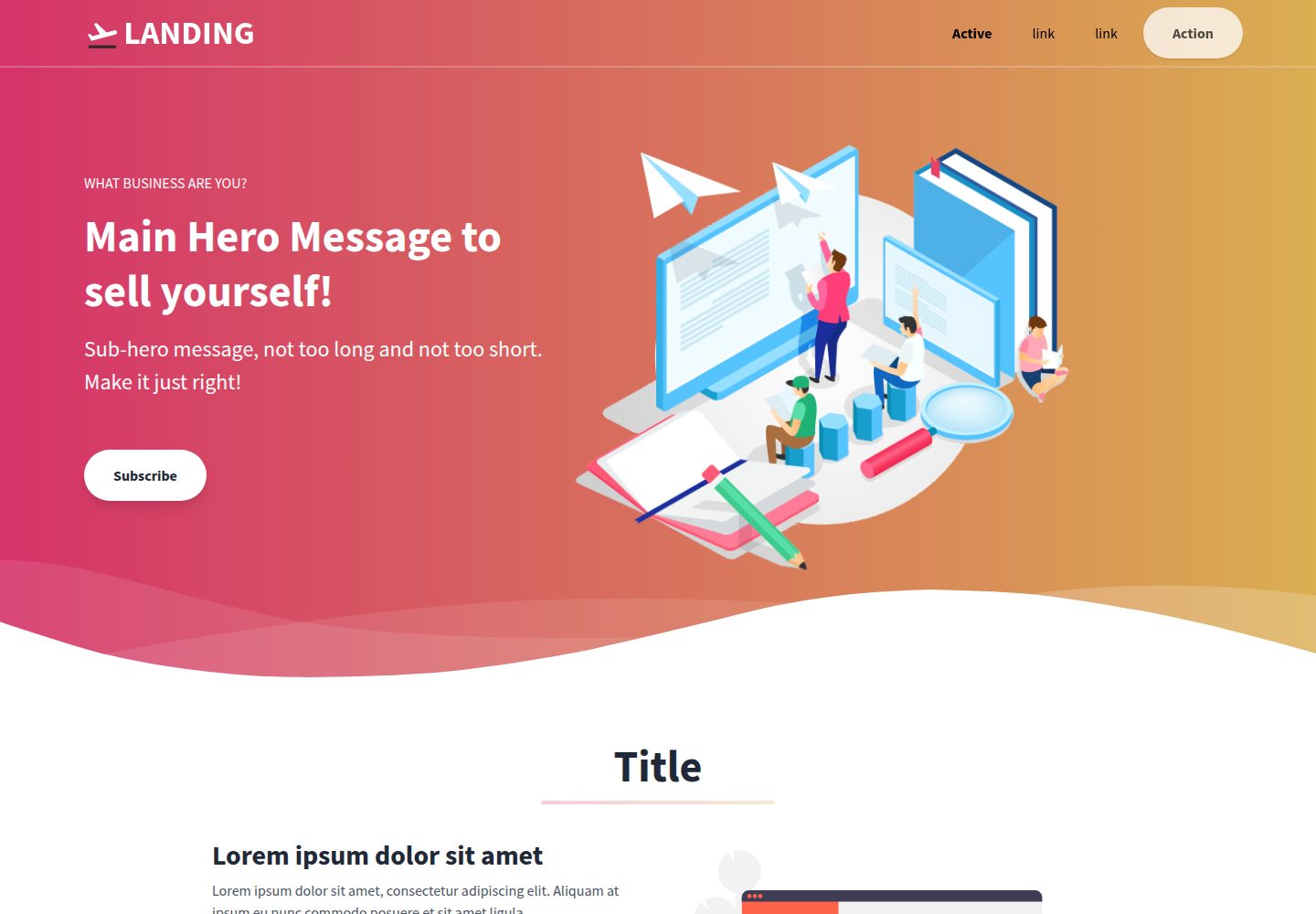
Landing-Page
Tailwind CSS Starter Template - Landing Page
HTML · 企业官网