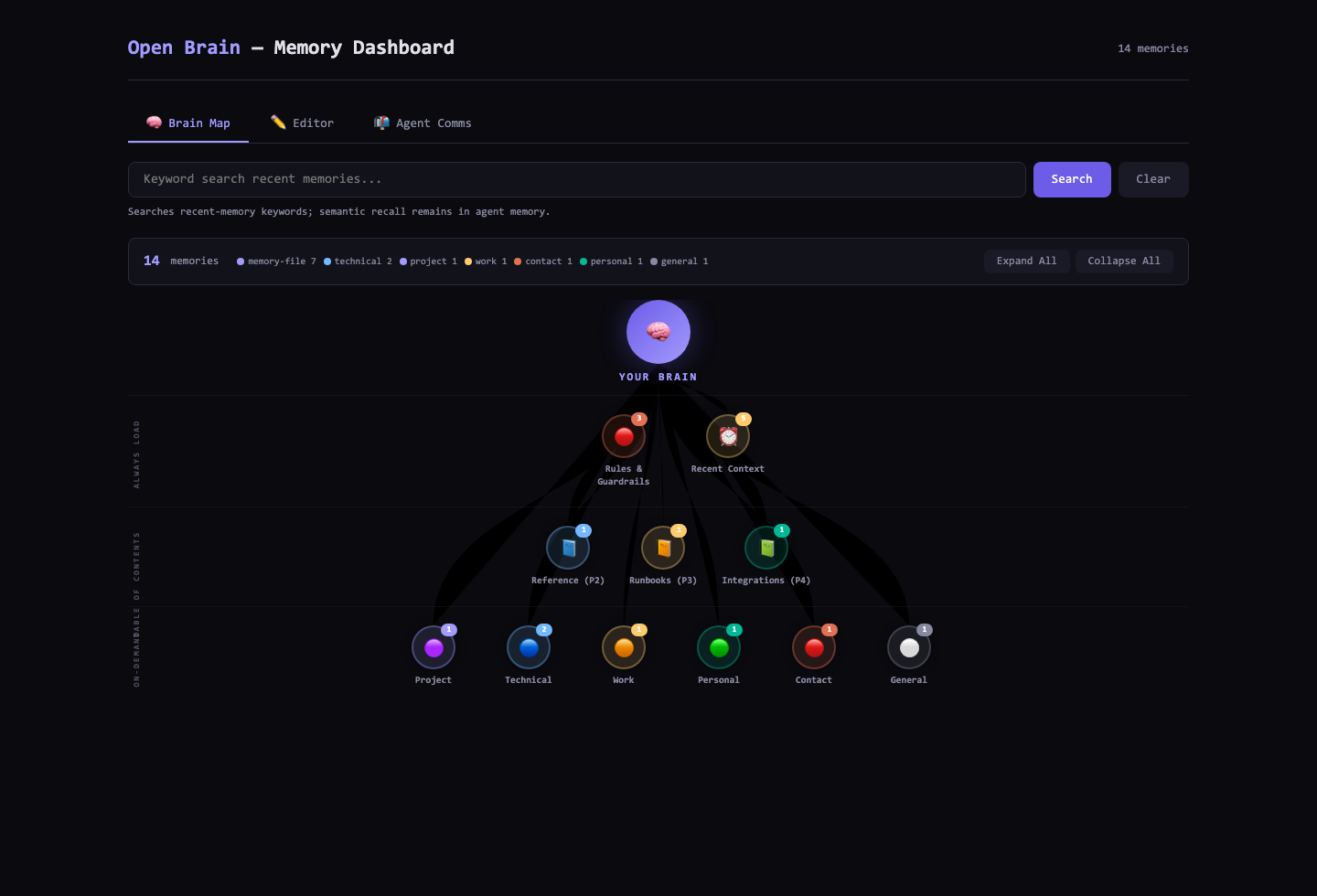
按 P1 至 P4 优先级加载记忆,区分每次必载的规则与按需加载的参考、运行手册和集成文档
HTML后台
open-brain-template — HTML 后台模板
作者 wefilmshit
Open Brain 是一个 MIT 许可的 AI 智能体记忆模板,用 Supabase pgvector 做语义召回,并附带可视化记忆面板与 MCP 接口。
看看你的网站会是什么样
浏览真实页面截图,比较内容排版与手机效果。点击下方缩略图切换,放大查看整页细节。
目前有 1 张原始预览,可打开完整图片查看设计细节。
截图用于了解视觉与布局,交互效果请以实际项目为准。
采集于 2026-10-04查看来源
值得关注的模板亮点
从已有项目资料中,快速了解它的特点。
提供可视化 brain map 与记忆编辑器,可展开、编辑或删除记忆节点
通过 Supabase pgvector 与记忆 API 支持智能体语义召回,面板搜索则明确为关键词搜索
可选 Mem0 做记忆去重与压缩,可选 Memory Steward 做查询改写、并行检索与重排
Prime Radiant 操作板文档覆盖 Chevrons、Seldon Plans、Splices、Gate 报告与写回安全约定
附带 Optimization Kit 与 Memory File Sync Kit 等可选脚本与文档
模板详细介绍
Open Brain 是一个面向 AI 智能体的持久记忆模板,采用 HTML 前端加 Supabase 后端的结构。它把记忆按 P1 至 P4 的优先级组织:P1 规则每次会话加载,P2 参考在相关时加载,P3 运行手册在接触对应系统前加载,P4 集成文档仅在需要时加载。仓库提供可视化 brain map 与编辑器,可展开、编辑或删除记忆节点,并支持按 agent-artifact 标签记录多智能体之间的提示与响应产物。
记忆存取依赖 Supabase 与 pgvector:需要先创建 Supabase 项目、应用迁移并部署 Edge Function,再在 index.html 中替换 Supabase URL 与 anon key。面板内的搜索被明确标注为关键词搜索;语义召回走智能体记忆 API 与 pgvector 嵌入,除非另行接入并验证,否则面板不提供语义搜索。可选集成 Mem0 做去重与压缩,也可选 Memory Steward 智能查询层做查询改写、并行检索、重排与去重后合成答案。
仓库还包含 Prime Radiant 操作板文档,用 Chevrons、Seldon Plans、Splices、Seldon Crises、Agent Roster 与 Gate 报告描述多智能体任务的归属、状态与写回安全约定,并配有 Optimization Kit 与 Memory File Sync Kit 等可选脚本。README 中的截图是脱敏后的模板示意,不是真实生产记忆库。
HTML后台
适合你的项目吗?
适用场景
- 为 Claude Code、Claude Desktop、ChatGPT、Cursor 等 MCP 兼容工具提供同一份持久记忆
- 在多个 AI 工具之间共享项目规则、偏好与护栏,避免每次会话重复说明上下文
- 用 agent-artifact 记录与 Prime Radiant 操作板跟踪多智能体任务的归属与状态
- 通过 SessionStart 钩子在 Claude Code 会话开始时自动注入最近若干条记忆
- 用 Memory File Sync Kit 让本地 Markdown 记忆文件与 Open Brain 的 memory-file 记录保持同步
适合人群
- 日常使用 Claude 或 GPT 并希望减少重复交代上下文的 AI 重度用户
- 需要为 AI 智能体建立持久项目记忆的开发者
- 希望跨成员共享 AI 规则与偏好的团队
- 愿意自行搭建 Supabase 后端并配置 MCP 工具的用户
上手与定制指南
结合仓库当前版本的说明,按下面的资料检查内容、配置与运行要求。
- 1
先在 Supabase 创建项目,再按 supabase/README.md 应用迁移并部署 Edge Function,否则面板没有可通信的后端
- 2
在 index.html 中替换 YOUR_SUPABASE_URL 与 YOUR_SUPABASE_ANON_KEY
- 3
面板搜索为关键词搜索,语义召回需通过记忆 API 与 pgvector 嵌入单独接入
- 4
Mem0、Memory Steward、Memory File Sync Kit 与 SessionStart 钩子均为可选,需按对应文档单独配置
- 5
仓库采用 MIT 许可,但演示图片、字体、图标等第三方素材及 Supabase 等外部服务需另行核对许可与费用
授权与来源资料
使用条件与限制
免费使用 · 保留许可声明本次收录的是公开仓库中采用 MIT 许可的免费版本;免费范围为该版本代码,不代表外部服务或第三方素材免费。
使用时需要遵守
- 允许免费使用、修改、商用和分发该版本代码。
- 分发代码副本或实质性部分时,保留原作者版权声明和完整 MIT 许可声明。
- 代码按现状提供;担保与责任限制以原许可证及适用法律为准。
额外费用与待核对事项
- 使用该模板必须自行创建 Supabase 项目作为后端,属于外部服务依赖,需自行承担账号与费用。
- 需在 index.html 中填入自己的 Supabase URL 与 anon key,即需要自备 Supabase 凭据。
- 需在配置中把自己的邮箱加入 ALLOWED_EMAILS 白名单才能登录使用。
- 部署依赖 Vercel 等外部托管服务,需自行注册账号并可能产生费用。
- Mem0 为可选外部服务,用于记忆压缩与去重,启用需接入该第三方服务。
- 面板搜索仅为关键词搜索,语义搜索需自行接入并验证,并非开箱即用。
- Memory Steward 智能查询层为可选高级功能,需按文档自行搭建。
- Memory File Sync Kit 为可选脚本,需自行配置,不会自动启用调度。
- 演示图片、字体、图标及其他第三方素材需按各自许可核对,不能仅凭代码的 MIT 许可判断。
- 域名、托管、数据库、支付或 AI 等外部服务可能另外收费。
查看原文依据
Permission is hereby granted, free of charge
许可证原文
Create a [Supabase](https://supabase.com) project
README 原文
Replace `YOUR_SUPABASE_URL` and `YOUR_SUPABASE_ANON_KEY` in `index.html`
README 原文
Add your email to `ALLOWED_EMAILS`
README 原文
Deploy to [Vercel](https://vercel.com)
README 原文
Pairs with [Mem0](https://mem0.ai) for intelligent memory compression and deduplication
README 原文
The dashboard search is intentionally labeled as keyword search unless you wire and prove semantic dashboard search separately.
README 原文
Stand up Memory Steward via [docs/memory-steward.md](docs/memory-steward.md)
README 原文
https://github.com/wefilmshit/open-brain-template/blob/main/LICENSEhttps://github.com/wefilmshit/open-brain-template/blob/main/README.mdSync local markdown memory files with Open Brain rows via [docs/memory-file-sync.md](docs/memory-file-sync.md)
README 原文
DeepSeek 根据仓库许可证和 README 整理 ·2026-10-04。结果仅覆盖已读取资料,依赖、图片、字体及后续条款变更以各自原文为准。
项目核对记录与介绍依据
模板资料
- 来源平台
- GitHub
- 资料与维护参考分
- 资料一般 · 71 / 100
- 技术栈
- HTML
- 网站类型
- 后台
这个分数如何计算
本站按许可资料(最高30分)、演示链接(12分)、预览图(10分)、Star数(15分)、记录的维护时间(15分)、描述完整度(8分)、功能记录(5分)和分类资料(5分)计算。它不是代码、安全或性能测试,也不是 Google 评分;有链接不代表已实测可用。
这个项目需要核对什么
- 记录的仓库更新时间
- 2026-07-10
- 截图检查日期
- 2026-10-04
目前没有记录演示链接。请依据仓库说明在本地评估;仅凭截图无法确认交互行为。
目录记录的主要技术栈是 HTML。请通过依赖清单和锁文件核对实际版本与托管要求。这些说明基于收录资料,不代表代码审计或部署实测。
查看具体选型方法 →介绍的制作与核对状态
介绍由 AI 辅助整理目录与仓库资料。仓库作者不等于这篇介绍的审核者。
审核声明: [email protected] · 2026-10-04
查看当时使用的来源资料
SHA-256: bf2073522c92d5621412caeceec3b0825064f04c2f0941ce8155d83f2f543315
2026-10-04T02:53:04.587Z
来源文件 / 仓库# Open Brain + Prime Radiant - Open-Source AI Agent Memory Dashboard and Operating Board for Claude, ChatGPT, Cursor, MCP, Supabase, and pgvector
**Persistent AI agent memory with an MCP-compatible dashboard, Supabase pgvector recall, Mem0 support, Prime Radiant operating-board docs, an Optimization Kit, and a Memory File Sync Kit.**
Open Brain is an MIT-licensed template for managing what your AI agents know, when they load it, how they prioritize context, and how multi-agent work gets tracked. It gives Claude Code, Claude Desktop, ChatGPT, Cursor, and other MCP-compatible tools one persistent memory bank with visual editing, honest dashboard keyword search, agent recall, Prime Radiant operating-board patterns, and repeatable optimization checks.
Works with Claude Code, Claude Desktop, ChatGPT, Cursor, or any MCP-compatible AI tool. Pairs with [Mem0](https://mem0.ai) for intelligent memory compression and deduplication. Includes optional Memory Steward docs for a smart-query layer that can reformulate, re-rank, deduplicate, and cite memory results.
    
New to AI memory systems? Start with [Give This Repo to Your AI](docs/give-this-to-your-ai.md). It is a plain-English setup brief you can paste into Claude, ChatGPT, or Cursor so your assistant can read the repo with the right boundaries.
## The Problem
AI agents start every session with amnesia. You re-explain your preferences, re-state your rules, re-describe your project. Notes apps and docs don't solve this because they're flat. The AI doesn't know what to read first, what's critical vs. reference, or when to load what.
And even when you have a memory bank wired up, raw recall or search can return noise. Ask "what's our deploy procedure" and you get back five tangentially related memories, only one of which is actually the answer. The AI then has to read all of them and guess.
## How Open Brain Solves It
**Priority-based loading.** Not all memories are equal. P1 rules load every session. P2 reference loads when relevant. P3 runbooks load before touching specific systems. P4 integrations load only when needed. Your AI boots up like an operating system, not a blank slate.
**Visual brain map.** See your entire memory hierarchy at a glance. Click any node to expand, edit, or delete. Know exactly what your AI knows.
**Agent comms view.** Track prompt/response artifacts saved by multiple agents as lightweight pointer memories tagged `agent-artifact`, with from/to/topic/date/priority columns and click-throughs to the source file path.
**Prime Radiant operating board.** Turn memory, agent artifacts, Chevrons, splices, gates, assignment state, write-back receipts, and rollback plans into one operating board for multi-agent work. The public package includes the model, staged implementation path, write-back safety contract, prompt, and report templates. See [docs/prime-radiant.md](docs/prime-radiant.md).
**Agent roster and project tags.** Define which agents exist, what they can own, which project or lane tags apply, and which operations they are allowed to perform. Prime Radiant uses this roster to make ownership visible before any assignment changes happen.
**Memory Red-Team / Seldon Crisis Guard.** Surface stale memories, duplicate memories, contradictory memory, bad recall, missing proof, stale Chevrons, and unsafe gate claims before they become trusted context. Start observe-only, then add park/block behavior only after false-positive rates are acceptable.
**Agent semantic recall.** Let your AI retrieve memory by meaning through the memory API and pgvector embeddings. The dashboard search is intentionally labeled as keyword search unless you wire and prove semantic dashboard search separately.
**Works across tools.** One memory bank, any AI tool. Claude Code at work, ChatGPT on your phone, Cursor in your IDE — they all read from the same brain.
**Optional smart query layer via Memory Steward.** A dedicated memory steward can sit in front of raw recall and do the work raw recall does not: reformulate queries for better embedding matches, run multiple parallel searches, re-rank results by actual usefulness, filter duplicates and stale entries, and synthesize one good answer with cited memory IDs. Slower than raw recall, but designed for higher relevance.
**(New) Auto-load at session start.** A single SessionStart hook script reads your N most recent memories at the beginning of every Claude Code session and injects them as context, so the AI literally starts the conversation already knowing what happened yesterday.
**Recall quality upgrades.** Five features underneath Memory Steward that raise the ceiling on what raw recall returns: hybrid search (vector + BM25 + recency), retrieval miss tracking with classified failure reasons, aggregate queries on bank shape, audit-preserving memory corrections, and directed knowledge-graph edges between memories. See [docs/recall-quality.md](docs/recall-quality.md). Inspired in part by Peter Simmons' [engram-go](https://github.com/petersimmons1972/engram-go).
**Optimization Kit.** Scripts, prompts, templates, smoke checks, and playbooks for improving an Open Brain without mixing up speed, quality, shadow builds, and production. See [docs/optimization-kit.md](docs/optimization-kit.md).
**Memory File Sync Kit.** Optional scripts for keeping local markdown memory files aligned with Open Brain `memory-file` rows. No scheduler is auto-enabled; use it only if you want file-based memory editing. See [docs/memory-file-sync.md](docs/memory-file-sync.md).
## Screenshots
These are sanitized template screenshots, not a private production memory bank. The dashboard screenshot also shows the public template's keyword-search boundary; semantic recall remains an agent-memory path unless you wire and prove semantic dashboard search separately.
### Brain Map - Visual Memory Hierarchy

### Editor - Priority-Based Memory Files

## Who This Is For
- **AI power users** who work with Claude/GPT daily and are tired of re-explaining context
- **Developers** building with AI agents who need persistent project memory
- **Teams** that want shared AI context (rules, preferences, guardrails) across members
- **Anyone** who's said "I already told you this last session"
## Why Not Just Use Notes?
| | Notes/Docs | Open Brain |
|---|---|---|
| Priority loading | No | P1-P4 system |
| Agent semantic recall | No | pgvector embeddings |
| Smart query (re-rank, dedup) | No | Memory Steward smart-query layer |
| Multi-agent operating board | No | Prime Radiant |
| Agent ownership map | No | Agent roster + project tags |
| Drift and crisis guard | No | Memory Red-Team / Seldon Crisis Guard |
| Agent-readable | Copy-paste | MCP protocol (native) |
| Session boot sequence | Manual | Automatic checklist |
| Auto-load on session start | No | SessionStart hook |
| Mid-session refresh | Start over | `/refresh` command |
| Multi-tool | Per-app | One brain, any tool |
## Key Concepts
### Priority-Based Load Order
```
P1 (Always Load) -- Rules, guardrails, gotchas. Every session, no exceptions.
P2 (Reference) -- Tech stack, pipeline, workflow. When working on related systems.
P3 (Runbooks) -- How-to guides, specs, roadmap. Before touching these systems.
P4 (Integrations) -- Third-party setup docs. Only when relevant.
```
### Session Start Checklist
Your AI agent follows this boot sequence every session:
1. Load P1 rules (non-negotiable)
2. Load recent context (last session checkpoint)
3. Read table of contents (know what exists, don't load everything)
4. Ask what you're working on
5. Load specific memories on-demand as topics come up
### The /refresh Pattern
Long AI sessions cause context drift — the agent "forgets" rules loaded at the start. The `/refresh` command forces re-reading of P1 rules mid-session without starting over.
### Prime Radiant
Prime Radiant is the operating-board layer on top of Open Brain. It answers the questions memory alone cannot:
- Which agent owns this lane?
- Which plan or sub-plan is active?
- What proof exists?
- What gate is still blocked?
- What changed since the last checkpoint?
- Is this a read-only observation, an interactive planning move, or a real assignment write?
The public package includes:
- **Chevrons** - current position markers for plans and lanes.
- **Seldon Plans** - durable plans or roadmaps.
- **Splices** - sub-plans or branch lanes under a larger plan.
- **Seldon Crises** - plan-vs-reality drift, stale evidence, bad recall, or blocked gates.
- **Agent Roster + Project Tags** - agents, availability, lane tags, allowed operations, and current assignments.
- **Gate reports and closeouts** - receipts for review, merge, deploy, dry-run, live-write, rollback, and publish decisions.
- **Write-back safety contract** - off-switch, dry-run default, audit receipt, idempotency, rollback, and no browser-to-database or browser-to-plan-file write path.
- **Memory Red-Team / Seldon Crisis Guard** - observe-only detection first, then park/block behavior only after false-positive rates are measured and accepted.
Start with [docs/prime-radiant.md](docs/prime-radiant.md).
### Mem0 Integration (Recommended)
[Mem0](https://mem0.ai) adds an intelligent layer on top of Open Brain:
- **Automatic deduplication** — won't store the same fact twice
- **Memory compression** — extracts clean facts from messy conversations
- **Better relevance ranking** — 0.9 similarity scores vs. 0.5 with raw pgvector
- Supabase stays your source of truth. Mem0 makes search smarter.
### Memory Steward Smart Query
Raw semantic recall is fast but can return noise. Memory Steward is an optional smart-query layer that wraps raw recall in intelligence:
- **Query reformulation** — your "deploy command" becomes "deploy procedure for production frontend including the dangerous CLI to never use"
- **Parallel multi-search** — runs 3-5 different phrasings in parallel, gathers all candidates
- **Re-ranking** — re-scores by usefulness to your actual task, not raw cosine similarity
- **Dedup-check before save** — when called to remember something, runs a recall first to check for near-duplicates
- **Synthesized output** — returns one tight answer with cited memory IDs instead of a list of raw matches
It exposes as a single MCP tool (`memory_query`) alongside the existing 5. Use raw `recall` when you need bulk results or a category dump. Use `memory_query` when you want one good answer.
Setup recipe in [docs/memory-steward.md](docs/memory-steward.md).
### SessionStart Auto-Load Hook
Add this single hook to your `~/.claude/settings.json` and Claude Code will automatically inject your last N memories as context at the start of every session — no manual `recall` needed at the top of each conversation:
```json
{
"hooks": {
"SessionStart": [
{
"hooks": [
{
"type": "command",
"command": "$HOME/.claude/hooks/session-start-memory.sh",
"timeout": 15
}
]
}
]
}
}
```
The hook script template lives at [docs/session-start-hook.md](docs/session-start-hook.md).
## Quick Start
1. Create a [Supabase](https://supabase.com) project
2. Clone this repo
3. Deploy the memory backend: apply the migration and deploy the Edge Function in [supabase/README.md](supabase/README.md) -- this is what actually stores and serves memories; the dashboard alone has nothing to talk to without it
4. Replace `YOUR_SUPABASE_URL` and `YOUR_SUPABASE_ANON_KEY` in `index.html`
5. Add your email to `ALLOWED_EMAILS`
6. Deploy to [Vercel](https://vercel.com)
7. Wire up [memory-server/](memory-server/) so Claude Code, Claude Desktop, or Cursor can read/write memories via MCP
8. (Optional) Add the SessionStart hook for auto-loading
9. Add Prime Radiant operating-board structure via [docs/prime-radiant.md](docs/prime-radiant.md)
10. (Optional, advanced) Stand up Memory Steward via [docs/memory-steward.md](docs/memory-steward.md)
11. (Optional, advanced) Sync local markdown memory files with Open Brain rows via [docs/memory-file-sync.md](docs/memory-file-sync.md)
Full setup instructions are in [CLAUDE.md](CLAUDE.md). If you want your assistant to help with setup, start with [docs/give-this-to-your-ai.md](docs/give-this-to-your-ai.md).
## Stack
- **Frontend:** Vanilla HTML/CSS/JS (no build step, single file)
- **Auth:** Supabase Auth with Google OAuth
- **Database:** Supabase (Postgres + pgvector)
- **Hosting:** Vercel
- **Memory Protocol:** MCP (Model Context Protocol)
- **Smart Layer (recommended):** Mem0 for compression, dedup, and ranking
- **Smart Query (optional, advanced):** Memory Steward smart-query layer
- **Operating Board:** Prime Radiant model, Chevrons, splices, gates, assignment receipts, red-team crisis guard, and write-back safety contract
## How Your AI Agent Uses This
```
Session starts
|
v
SessionStart hook auto-injects last 20 memories as context (new)
|
v
Load P1 rules (ADHD rules, project guardrails, gotchas)
|
v
Read table of contents (know what exists)
|
v
Ask: "What are we doing today?"
|
v
Load specific memories on-demand:
- For one good answer: memory_query (Steward, 10-40s) (new)
- For bulk / category dump: recall (raw, sub-second)
|
v
After meaningful work, save a checkpoint
|
v
Prime Radiant records lane ownership, gate state, proof, and next action
```
## Architecture
```
You <-> AI Agent (Claude/GPT/Cursor)
|
v
MCP Server (memory-server/, ships in this repo)
| |
| v
| Memory Steward Managed Agent (new, optional)
| |
| v
v Orchestrator (executes Steward's tool calls)
Mem0 (smart layer - recommended)
|
v
Supabase (source of truth)
|
v
Open Brain Dashboard (visual UI)
|
v
Prime Radiant Board
(Chevrons, splices, agents, gates, receipts, rollback)
```
The Memory Steward path is optional — the older direct `recall` / `remember` path still works. Adding the Steward gives you smarter recall without breaking anything that already works.
## What's New (Changelog)
### June 2026 — Prime Radiant operating-board package
- New Prime Radiant docs for turning Open Brain into an AI-agent operating board
- New Chevrons / Seldon Plans / Splices / Seldon Crises vocabulary for plan state and drift
- New Agent Roster + Project Tags pattern for lane ownership and allowed operations
- New Memory Red-Team / Seldon Crisis Guard pattern for stale memory, duplicate memory, bad recall, and blocked-gate detection
- New write-back safety contract for assignment-style operations: off-switch, dry-run default, audit receipt, idempotency, rollback, and receiver-side validation
- New templates for lanes, assignment write-back reports, and board readiness
- New Prime Radiant reviewer prompt for checking board changes without blending read-only proof, dry-run proof, deployed proof, and live-write approval
### April 2026 — Memory Steward release
- New `memory_query` MCP tool: smart query layer via Anthropic Managed Agent
- New SessionStart hook: auto-load N most recent memories at every session start
- New optional orchestrator service: drives Memory Steward sessions, executes custom tool calls against the existing Supabase memory-api, returns synthesized answers
- Full backward compatibility: legacy `remember` / `recall` / `recent_memories` / `forget` / `memory_stats` MCP tools unchanged
### May 2026 — Agent Comms pointers
- New Agent Comms dashboard tab for memories tagged `agent-artifact`
- Thread-style grouping by topic with from/to, kind, priority, date, summary, and artifact path columns
- Designed for artifact-pointer workflows where agents save durable prompt/response files and store only small Open Brain pointer memories
### See [docs/](docs/) for setup recipes:
- [docs/give-this-to-your-ai.md](docs/give-this-to-your-ai.md) — pasteable setup brief for Claude, ChatGPT, Cursor, or another AI assistant
- [docs/memory-steward.md](docs/memory-steward.md) — create the Managed Agent + stand up the orchestrator
- [docs/session-start-hook.md](docs/session-start-hook.md) — auto-load hook script + Claude Code settings.json snippet
- [docs/prime-radiant.md](docs/prime-radiant.md) — Prime Radiant operating-board model, agent roster, crisis guard, and write-back safety architecture
- [docs/optimization-kit.md](docs/optimization-kit.md) — smoke checks, evals, prompts, templates, and public playbooks for safe optimization
- [docs/memory-file-sync.md](docs/memory-file-sync.md) — optional markdown file sync scripts for `memory-file` rows
Common search phrases for this template include AI agent memory dashboard, AI agent operating board, Prime Radiant, AI agent control plane, AI agent assignment board, AI red-team memory guard, MCP memory dashboard, Claude Code memory, ChatGPT memory, Cursor memory, Supabase pgvector recall, Mem0 memory, persistent AI memory, Open Brain Optimization Kit, and Memory File Sync Kit.
## Contributing
PRs welcome. If you build something cool on top of this, open a PR or issue.
## License
MIT
看看同类模板
对比同技术栈与用途的模板,找到更适合的视觉与内容结构。
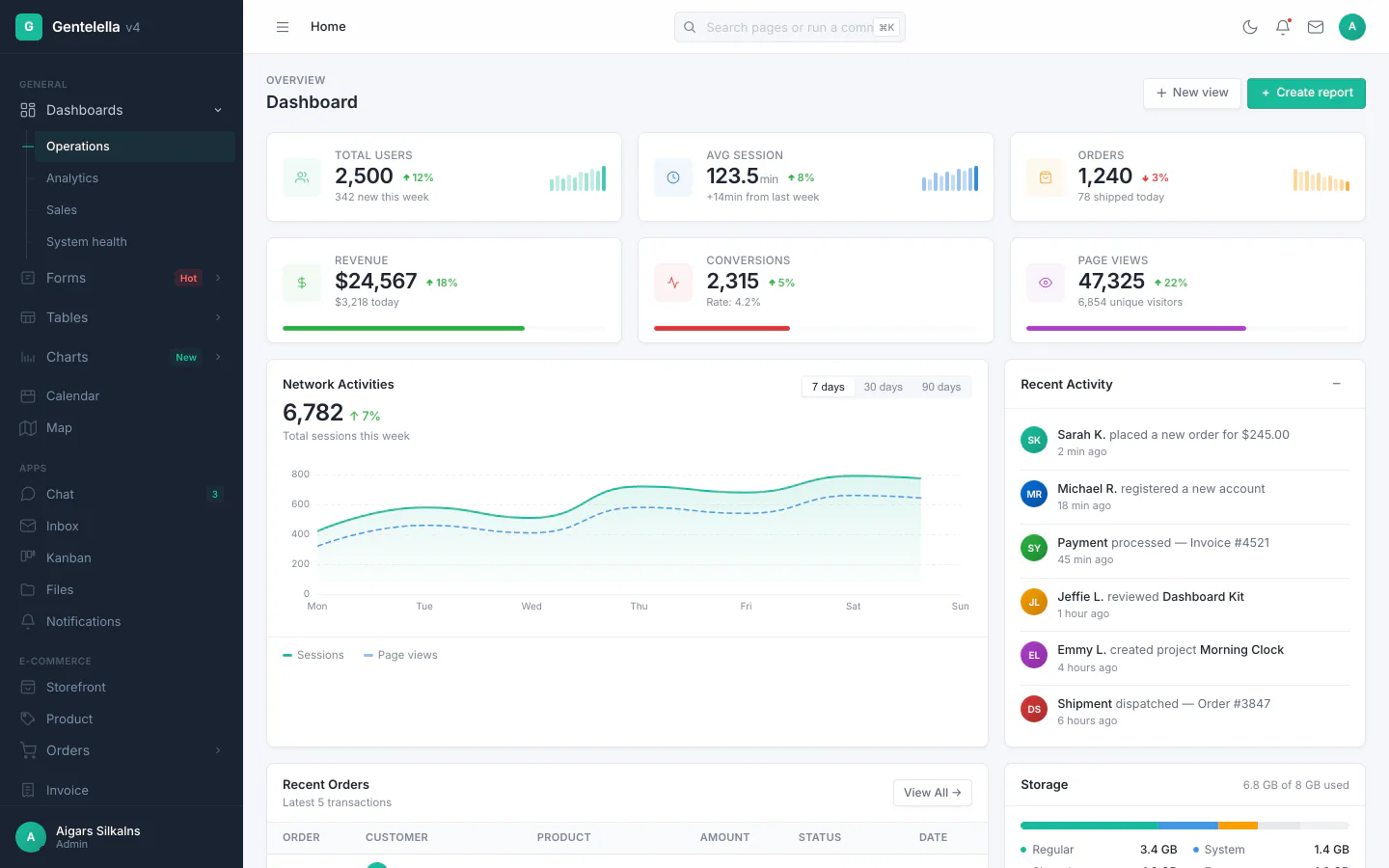
gentelella
Free admin dashboard template — vanilla JS, SCSS, Vite 8. No Bootstrap, no jQuery.
HTML · 后台
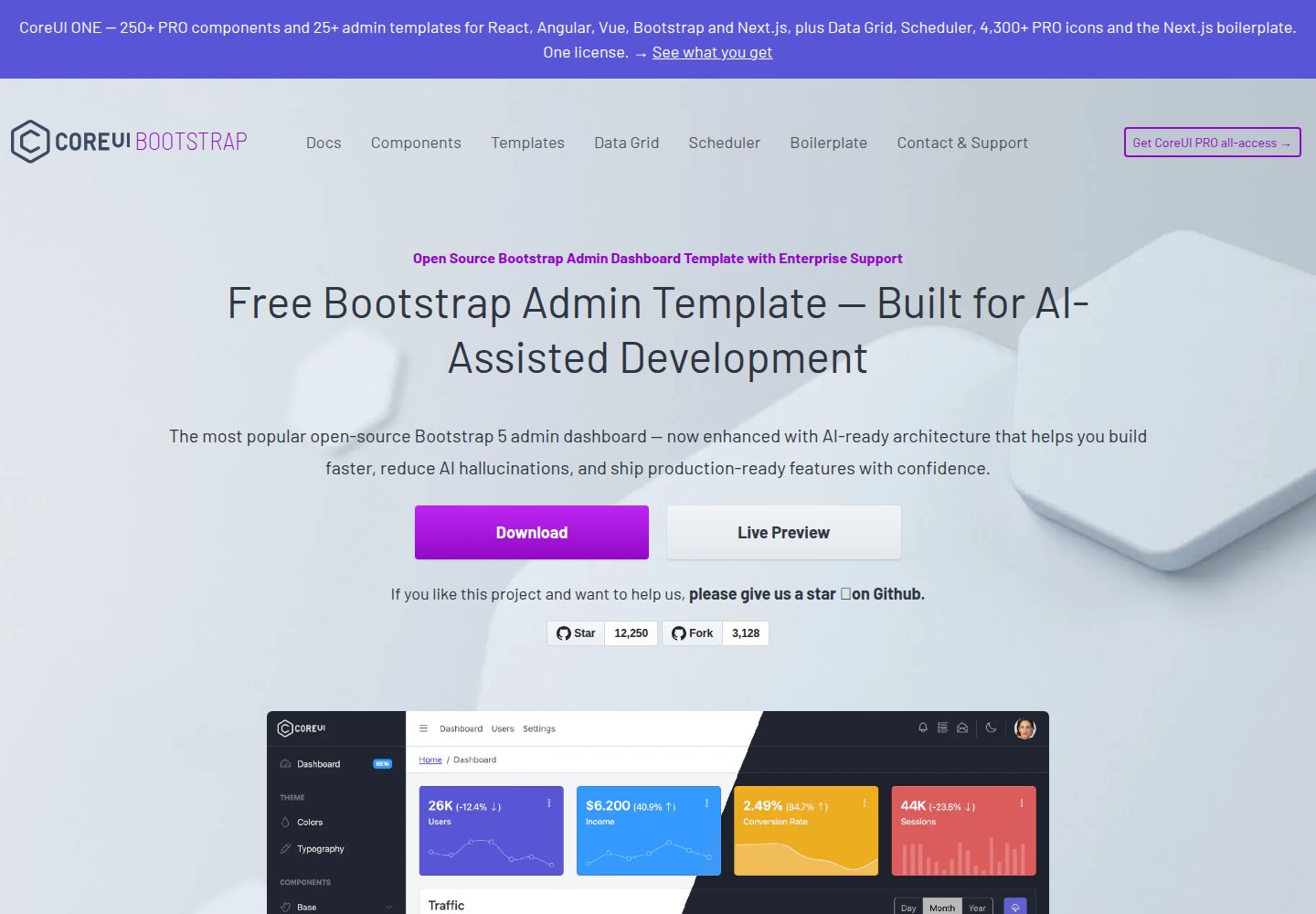
coreui-free-bootstrap-admin-template
Free Bootstrap Admin & Dashboard Template Built for AI-Assisted Development
HTML · 后台
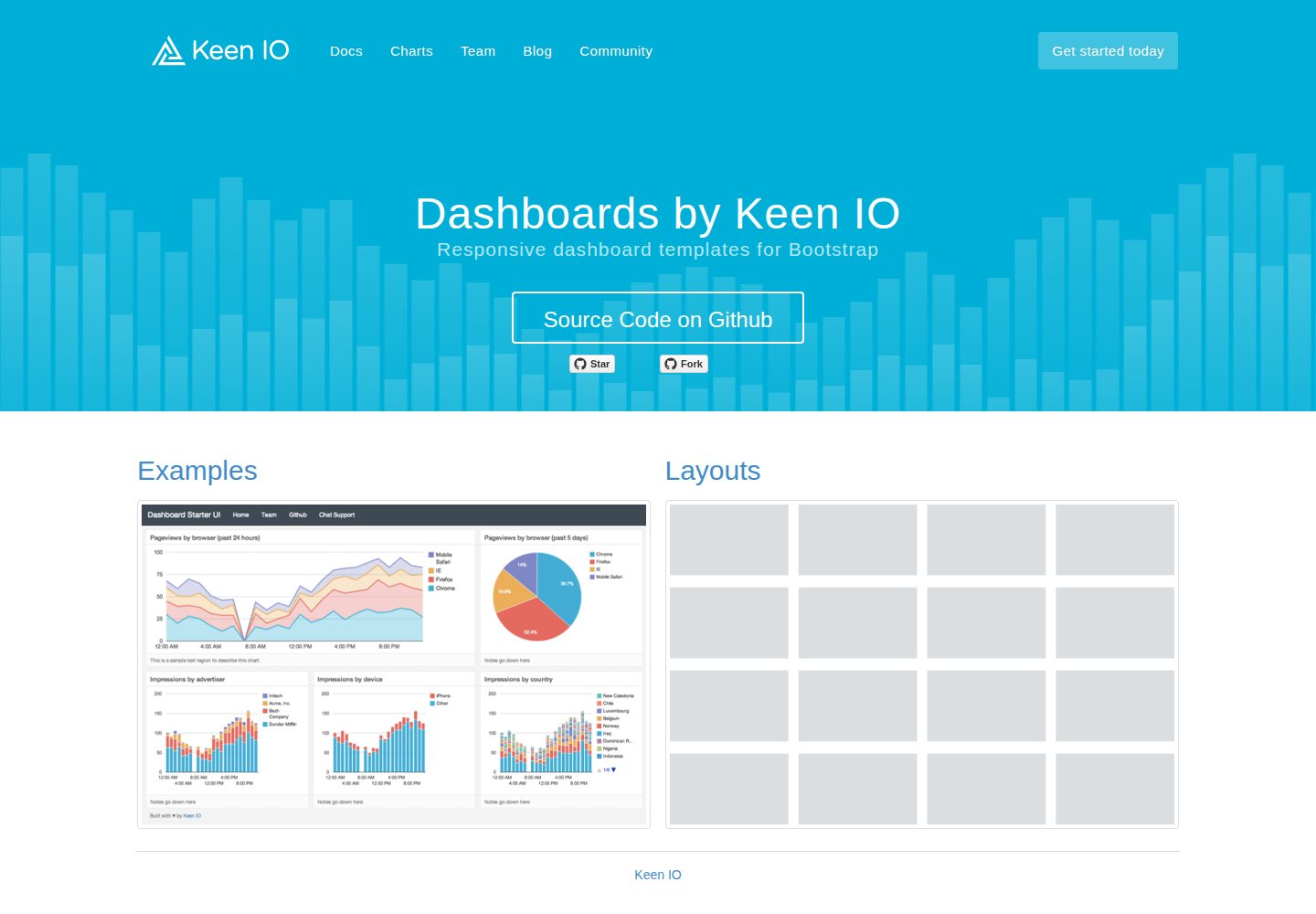
dashboards
Responsive dashboard templates 📊✨
HTML · 后台
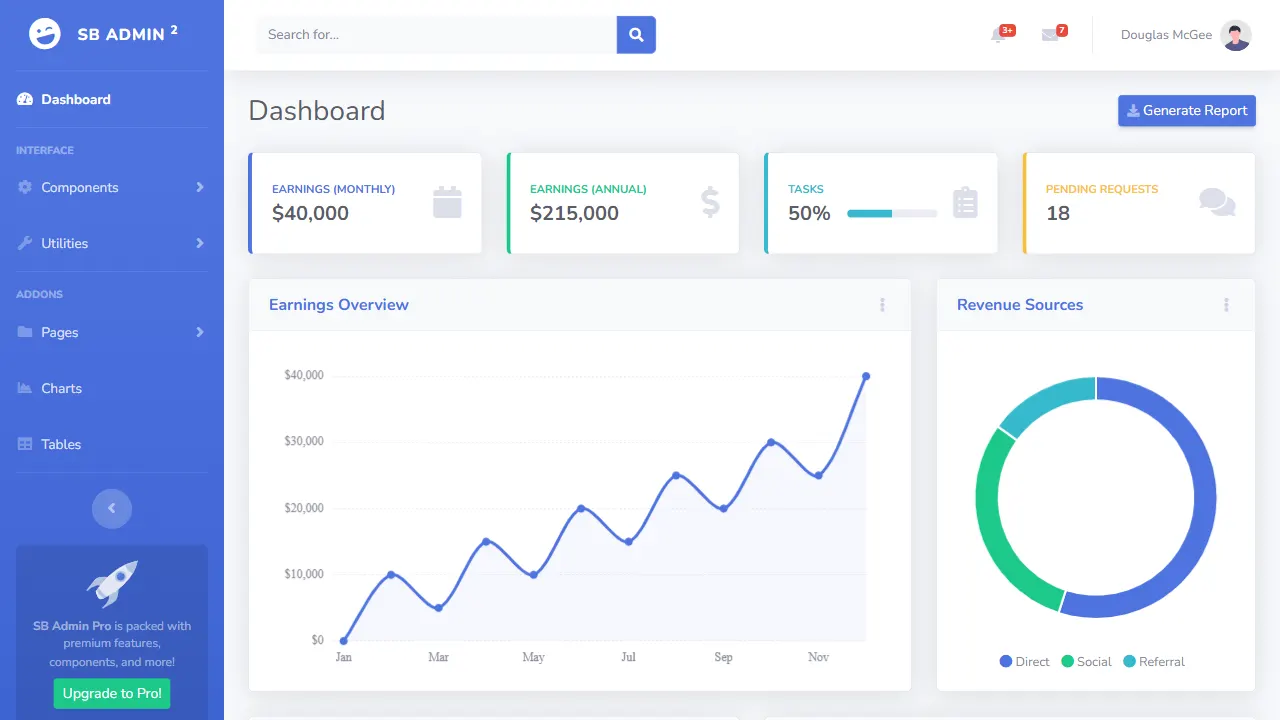
SB Admin 2
SB Admin 2 是 Start Bootstrap 推出的开源后台模板,基于 Bootstrap 构建,整体风格偏向经典管理界面。
HTML · 后台
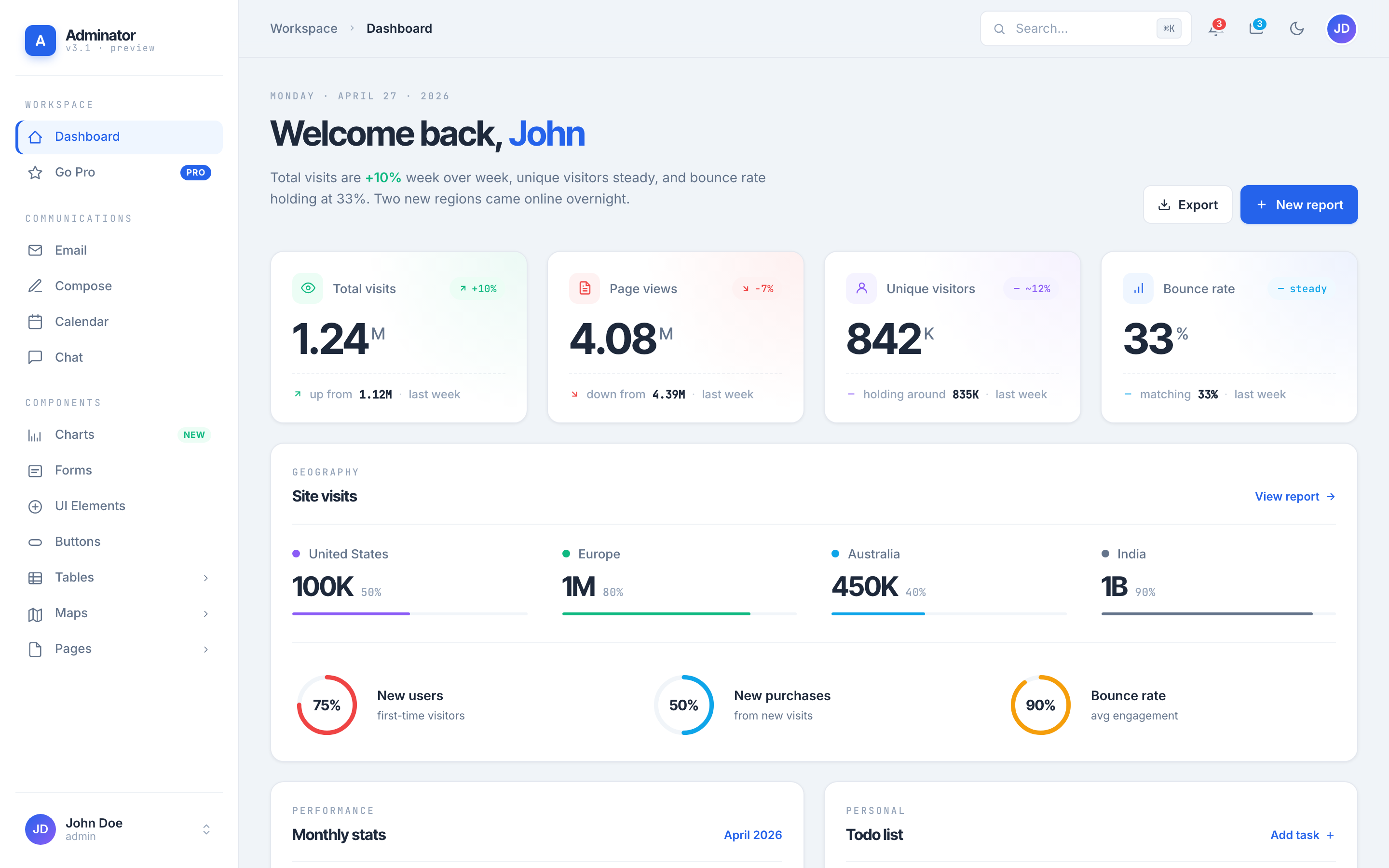
Adminator-admin-dashboard
Adminator is easy to use and well design admin dashboard template with dark mode for web apps, websites, servi…
HTML · 后台
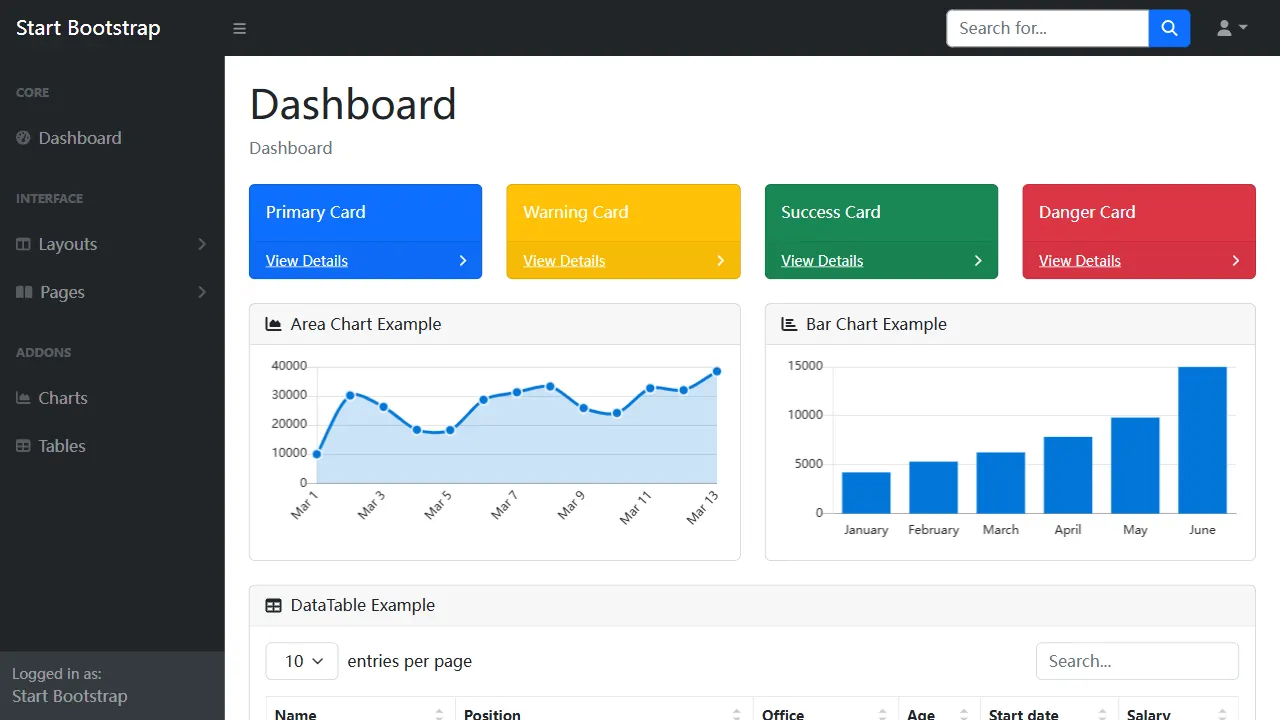
SB Admin
SB Admin 是 Start Bootstrap 推出的开源后台管理模板,基于 Bootstrap 构建,定位是简洁、实用的管理界面。
HTML · 后台