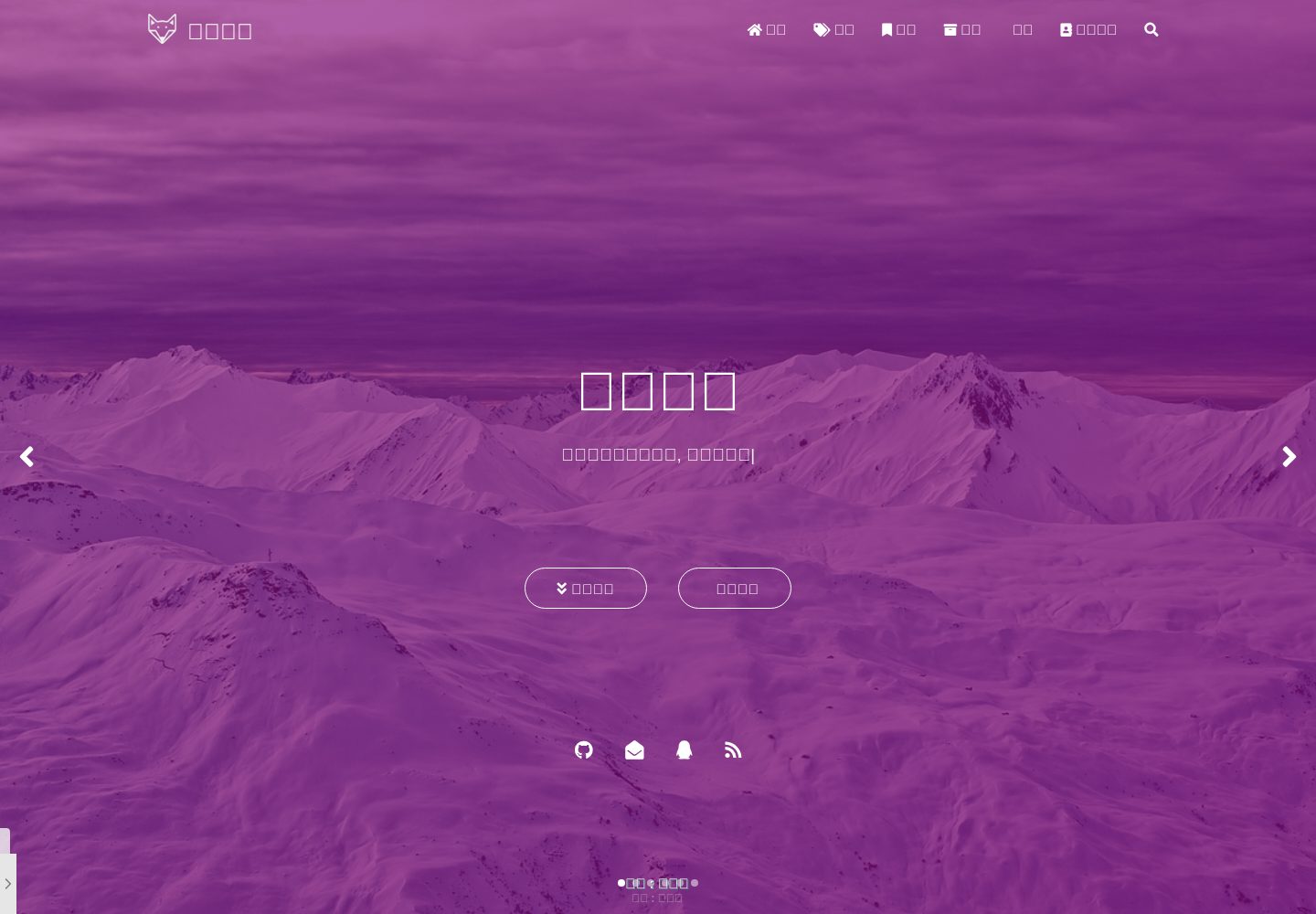
Material Design style and responsive layout, adapted for desktop, tablet, and mobile
HexoBlog
hexo-theme-matery — Hexo Blog Template
By blinkfox
hexo-theme-matery is a Hexo blog theme based on Material Design and responsive design, offering page modules such as post lists, archives, tag clouds, category radar charts, an about page, and multiple comment systems.
Explore the design
Compare the page layouts and mobile experience. Open any screenshot for a closer look.
Desktop homepage1 / 3
Desktop captureTop of page
Actual screenshot captured by the server browser.
All pages & views 3
Screenshots show visual appearance; interactive behavior may differ.
Recorded 2026-10-01View source
What stands out
A quick read of the recorded project description.
Homepage carousel of posts and a banner image that changes daily
Waterfall post list, timeline archive, word cloud tag page, and radar chart category page
A fairly complete about page, including personal introduction, post statistics, projects, skills, and a photo album
Supports pinning, rewards, MathJax, table of contents, appending copyright information when copying, and read-password verification
Can integrate Gitalk, Gitment, Valine, and Disqus comments, as well as Busuanzi and Google Analytics statistics
Template Details
hexo-theme-matery is a theme for Hexo static blogs, adopting a Material Design style with responsive adaptation for display on desktop, tablet, and mobile. The theme includes a homepage carousel of posts, a banner image that changes daily, a waterfall post list, a timeline archive, a word cloud tag page, and a radar chart category page, as well as an about page containing a personal introduction, post statistics, projects, skills, and a photo album. At the post level, it supports pinning, rewards, MathJax, a table of contents, appending copyright information when copying content, and read-password verification. Comments can integrate with Gitalk, Gitment, Valine, or Disqus, and it also integrates Busuanzi statistics, Google Analytics, and post word count. The homepage supports music and video playback, supports emoji syntax, and can also integrate DaoVoice or Tidio online chat.
Usage involves placing the theme in the themes directory of a Hexo project and setting theme to hexo-theme-matery in the site _config.yml. Pages such as categories, tags, about, guestbook, friends links, and 404 need to be manually created according to the README by creating the corresponding source page files and filling in the type and layout in the front-matter. The menu supports multi-level structures, and icons use Font Awesome class names. For code highlighting, the theme has adapted Hexo's built-in prismjs; if hexo-prism-plugin was previously installed, it must be uninstalled, and in the site configuration, highlight should be disabled and prismjs enabled. Search depends on the hexo-generator-search plugin, Chinese link-to-pinyin conversion depends on hexo-permalink-pinyin, and post word count depends on hexo-wordcount.
Limitations: the guestbook depends on a third-party comment system and is only effective after comments are enabled; friends links data must be maintained in source/_data/friends.json; the theme README recommends using Hexo 5.0.0 or above. The code is licensed under Apache-2.0 and can be used, modified, commercially used, and distributed for free, but third-party assets such as demo images, fonts, and icons need to be checked separately for their licenses, and external services such as domains and hosting may incur separate charges.
HexoBlog
Is it right for your project?
Use Cases
- Building a personal tech blog or writing site with Hexo
- Needing aggregation pages such as post archives, tag clouds, and category radar charts
- Wanting to add reading features such as pinning, rewards, table of contents, and read passwords to posts
- Blogs that need to integrate third-party comment systems and visit statistics
- Sites that need Hexo plugins such as Chinese link-to-pinyin conversion and post word count
Suitable For
- Bloggers using Hexo who want to switch to a Material Design-style theme
- Users who need a responsive blog theme to cover mobile readers
- Users willing to manually create category, tag, about, guestbook, and friends links pages according to the documentation
- Users who accept extending blog functionality through third-party comment systems and statistics services
Getting started & customization
Use these recorded setup notes alongside the repository instructions for your chosen version.
- 1
Place the theme in the themes directory of the Hexo project and set theme: hexo-theme-matery in the site _config.yml
- 2
Category, tag, about, guestbook, friends links, and 404 pages need to be manually created as corresponding source pages with type and layout filled in
- 3
For code highlighting, uninstall hexo-prism-plugin, and in the site configuration disable highlight and enable prismjs
- 4
Search requires installing hexo-generator-search, Chinese link-to-pinyin conversion requires installing hexo-permalink-pinyin, and word count requires installing hexo-wordcount
- 5
The guestbook depends on a third-party comment system and requires comments to be enabled first; friends links data must be maintained in source/_data/friends.json
License & source material
Usage conditions & limitations
Free to use · keep license noticeThis entry covers the free version under the Apache-2.0 license in the public repository; the free scope is the code of that version and does not mean that external services or third-party assets are free.
Must comply with when using
- Free use, modification, commercial use, and distribution are permitted; when distributing, the Apache-2.0 license must be included.
- Modified files must prominently indicate changes and retain relevant copyright, patent, trademark, and attribution notices.
- If the original project includes a NOTICE file, applicable attribution notices in it must be retained when distributing derivative works.
- The license includes an applicable contributor patent grant; initiating patent litigation as described in the license terminates that patent grant, and no trademark use rights are granted.
- The code is provided as is; warranties and limitations of liability are governed by the original license and applicable law.
Additional costs & items to verify
- The guestbook feature depends on a third-party comment system and only works after the comment system is enabled; otherwise the guestbook is unavailable.
- Using DaoVoice online chat requires registering an account on its official website and obtaining an app_id, which is an external service dependency.
- Using Tidio online chat requires registering an account on its official website and obtaining a Public Key, which is an external service dependency.
- The theme is recommended for Hexo 5.0.0 and above; lower versions may be incompatible.
- If hexo-prism-plugin is installed, it must be uninstalled; otherwise code blocks will have escape character issues.
- The search feature depends on the third-party Hexo plugin hexo-generator-search, which must be installed separately.
- The Chinese link-to-pinyin feature depends on the third-party plugin hexo-permalink-pinyin, which must be installed separately.
- The post word count feature depends on the third-party plugin hexo-wordcount, which must be installed separately.
- Demo images, fonts, icons, and other third-party assets must be checked against their respective licenses; they cannot be judged solely by the code's Apache-2.0 license.
- External services such as domains, hosting, databases, payments, or AI may incur separate charges.
View Original Text Basis
no-charge, royalty-free, irrevocable copyright license
Original License Text
The message board depends on a third-party comment system, please **activate** your comment system to be effective.
Original README
Go to the official website of [DaoVoice](http://www.daovoice.io/), register and get the `app_id`.
Original README
Go to the official website of [Tidio](https://www.tidio.com/), register and get the `Public Key`.
Original README
hexo-theme-matery **recommend you to use Hexo 5.0.0 and above**.
Original README
If the plugin of `hexo-prism-plugin` has been installed in your blog, then you need to execute `npm uninstall hexo-prism-plugin` to uninstall it
Original README
The theme uses the Hexo plugin [hexo-generator-search](https://github.com/wzpan/hexo-generator-search) to search the content
Original README
We can use the [hexo-permalink-pinyin](https://github.com/viko16/hexo-permalink-pinyin) Hexo plugin to generate permalinks in Chinese Pinyin
Original README
https://github.com/blinkfox/hexo-theme-matery/blob/develop/LICENSEhttps://github.com/blinkfox/hexo-theme-matery/blob/develop/README.mdyou can install the [hexo-wordcount](https://github.com/willin/hexo-wordcount) plugin.
Original README
Compiled by DeepSeek based on repository license and README ·2026-10-01. Results only cover the materials read; dependencies, images, fonts, and subsequent term changes are subject to their respective original texts.
Project checks & description sources
Template Information
- Source platforms
- GitHub
- Documentation and maintenance reference score
- More documented · 80 / 100
- Technologies
- Hexo
- Website type
- Blog
How this score is calculated
Our heuristic uses license records (up to 30), a demo link (12), a preview (10), stars (15), recorded maintenance (15), description completeness (8), feature records (5) and classification data (5). It is not a code, security or performance test, or a Google score. A link does not establish tested functionality.
What to verify for this project
- Repository update recorded
- 2024-07-02
- Screenshot last checked
- 2026-10-01
A demo link is listed. Check it with your own content and viewport sizes; its presence does not confirm that forms, authentication or payments work.
The catalog identifies Hexo as the primary stack. Check the actual dependency manifest and lockfile for versions and hosting requirements. These notes use recorded metadata, not a code audit or a deployment test.
Use a selection guide →How this description was prepared
AI-assisted description based on catalog records and repository material. Repository authors are not automatically the reviewers of this description.
Automatically checked against source and license rules; no manual editorial review.
Inspect the recorded source material
SHA-256: 63659138c36d8caeab250df76f0100b1a22580acd39210e6d7ca6c4d78f0f701
2026-10-01T03:17:20.286Z
Source file / repository# hexo-theme-matery
[](http://hits.dwyl.io/blinkfox/hexo-theme-matery) [](https://gitter.im/hexo-theme-matery/Lobby?utm_source=badge) [](https://github.com/blinkfox/hexo-theme-matery/issues) [](https://github.com/blinkfox/hexo-theme-matery/blob/master/LICENSE) [](https://codeload.github.com/blinkfox/hexo-theme-matery/zip/master) [](http://hexo.io) [](https://github.com/blinkfox/hexo-theme-matery/network) [](https://github.com/blinkfox/hexo-theme-matery/stargazers)
[🇨🇳中文说明](README_CN.md) | [国内访问示例(http://blinkfox.com)](http://blinkfox.com) | [Github Deploy Demo(https://blinkfox.github.io)](https://blinkfox.github.io)
> This is a Hexo blog theme with 'Material Design' and responsive design.
## Features
- Simple and beautiful, and post is Beautiful and readable.
- [Material Design](https://material.io/).
- Responsive design, which can be displayed well on desktop, tablet, mobile phone, etc.
- Home page carousel posts and changing 'banner' picture dynamically everyday.
- Blog posts list with waterflow (There will be 24 images if the article doesn't have featured pictures).
- Archive page with timeline.
- Tags page of the **word cloud** and categories page of the **radar chart**
- Rich 'About' page (including about me, posts charts, my projects, my skills, gallery etc.)
- Friendly link page for customizable data
- Support post topping and rewards
- Support `MathJax`
- TOC
- Can be set append the copyright information when copying the content of the post
- Can be set to do password verification when reading a post
- Comment module of [Gitalk](https://gitalk.github.io/), [Gitment](https://imsun.github.io/gitment/), [Valine](https://valine.js.org/) and [Disqus](https://disqus.com/).(Gitalk is recommended)
- Integrated [Busuanzi Statistics](http://busuanzi.ibruce.info/), `Google Analytics` and post word count statistics.
- Support music playback and video playback on the homepage
- Support the `emoji` emoticon and use the `markdown emoji` grammar to directly generate the corresponding emoticon.
- Support [DaoVoice](http://www.daovoice.io/), [Tidio](https://www.tidio.com/) online chat.
## Contributor
Thanks to these contributors, without whom, hexo-theme-matery won't be this perfect.
- [@HarborZeng](https://github.com/HarborZeng)
- [@shw2018](https://github.com/shw2018)
- [@L1cardo](https://github.com/L1cardo)
- [@Five-great](https://github.com/Five-great)
## Download
hexo-theme-matery **recommend you to use Hexo 5.0.0 and above**. If you already have your own [Hexo](https://hexo.io/zh-cn/) blog, I suggest you upgrade Hexo to the latest stable version.
Click [here](https://codeload.github.com/blinkfox/hexo-theme-matery/zip/master) to download master branch of the last stable version of the code.After decompressing, copy the `hexo-theme-matery` folder
to your `themes` folder of your Hexo blog project.
Of course, you can use `git clone` to download in your `themes` folder.
```bash
git clone https://github.com/blinkfox/hexo-theme-matery.git
```
## Configuration
### Modify theme
Modify the value of `theme` in `_config.yml` of Hexo's root folder: `theme: hexo-theme-matery`.
#### Suggestions for other changes to the `_config.yml`:
- Please modify the value of `url` of `_config.yml` to your website's main `URL` (e.g. `http://xxx.github.io`).
- It's recommended to modify the value of the two `per_page` to be a multiple of `6`, such as: `12`, `18`, etc. so that the posts list can be displayed well under each screen.
- If you are a Chinese user, it is recommended to change the value of `language` to `zh-CN`.
### new categories page
`categories` page is to show all of categories. If the `source` directory of your blog doesn't have `categories/index.md` file, you need to create a new one like this:
```bash
hexo new page "categories"
```
when editing your new page file `/source/categories/index.md`, you need something like:
```yaml
---
title: categories
date: 2018-09-30 17:25:30
type: "categories"
layout: "categories"
---
```
### new tags page
`tags` page is to show all of tags. If the `source` directory of your blog doesn't have `tags/index.md` file, you need to create a new one like this:
```bash
hexo new page "tags"
```
and put the following in your new page file `/source/tags/index.md`,
```yaml
---
title: tags
date: 2018-09-10 18:23:38
type: "tags"
layout: "tags"
---
```
### new about page
`about` page is to show my blog and myself information. If the `source` directory of your blog doesn't have `about/index.md` file, create a new one like this:
```bash
hexo new page "about"
```
and edit your new page file `/source/about/index.md` to include:
```yaml
---
title: about
date: 2018-09-30 17:25:30
type: "about"
layout: "about"
---
```
### new contact page (Optional)
`contact` page is to show contact information. If the `source` directory of your blog doesn't have `contact/index.md` file, you need to new one like this:
```bash
hexo new page "contact"
```
when editing your new page file `/source/contact/index.md`, include the following at the beginning:
```yaml
---
title: contact
date: 2018-09-30 17:25:30
type: "contact"
layout: "contact"
---
```
> **Note**:The message board depends on a third-party comment system, please **activate** your comment system to be effective. And in the theme's `_config.yml` file, the "**menu**" of the `19` to `21` line is configured, and the comment about the message board could be canceled.
### new friends link page (Optional)
The `friends` page is a page for displaying **Friendly Links** information. If you don't have a `friends/index.md` file in your blog's `source` directory, then you need to create a new one. The command is as follows:
```bash
hexo new page "friends"
```
Edit the file `/source/friends/index.md` you just created, at least you need the following:
```yaml
---
title: friends
date: 2018-12-12 21:25:30
type: "friends"
layout: "friends"
---
```
Also, create a new `_data` directory in your blog's `source` directory and a new `friends.json` file in the `_data` directory. The contents of the file is as follows:
```json
[{
"avatar": "http://image.luokangyuan.com/1_qq_27922023.jpg",
"name": "MaJang",
"introduction": "I am not a master, just looking for the master's footsteps.",
"url": "http://luokangyuan.com/",
"title": "Read More"
}, {
"avatar": "http://image.luokangyuan.com/4027734.jpeg",
"name": "Blinkfox",
"introduction": "Hello, I'm blinkfox, I like programming.",
"url": "https://blinkfox.github.io/",
"title": "Visit Blog"
}, {
"avatar": "http://image.luokangyuan.com/avatar.jpg",
"name": "ja_rome",
"introduction": "Ordinary steps can also go out of the great journey.",
"url": "https://me.csdn.net/jlh912008548",
"title": "Read More"
}]
```
### new 404 page
If the `source` directory of your blog doesn't have `404.md` file, you need create a new one. In `/source/404.md`, you need something as follows:
```yaml
---
title: 404
date: 2020-05-30 00:00:00
type: "404"
layout: "404"
description: "Cannot find the page you want :("
---
```
### Menu navigation configuration
#### Configure the name of the basic menu navigation, path url and icon icon.
1. The menu navigation name can be Chinese or English (e.g.: `Index` or `主页`)
2. Icon icon can be found in [Font Awesome](https://fontawesome.com/icons)
```yaml
menu:
Index:
url: /
icon: fas fa-home
Tags:
url: /tags
icon: fas fa-tags
Categories:
url: /categories
icon: fas fa-bookmark
Archives:
url: /archives
icon: fas fa-archive
About:
url: /about
icon: fas fa-user-circle
Friends:
url: /friends
icon: fas fa-address-book
```
#### Secondary menu configuration method
If you need a secondary menu, you can do the following on the basis of the original basic menu navigation.
1. Add the `children` keyword to the first level menu that needs to add a secondary menu (e.g.: add `children` under the `About` menu)
2. Create a secondary menu name, path url and icon icon under `children`.
3. Note that each secondary menu module must be preceded by `-`.
4. Note the indentation format.
```yaml
menu:
Index:
url: /
icon: fas fa-home
Tags:
url: /tags
icon: fas fa-tags
Categories:
url: /categories
icon: fas fa-bookmark
Archives:
url: /archives
icon: fas fa-archive
About:
url: /about
icon: fas fa-user-circle
Friends:
url: /friends
icon: fas fa-address-book
Medias:
icon: fas fa-list
children:
- name: Music
url: /music
icon: fas fa-music
- name: Movies
url: /movies
icon: fas fa-film
- name: Books
url: /books
icon: fas fa-book
- name: Galleries
url: /galleries
icon: fas fa-image
```
### Code Highlight
Starting from Hexo 5.0.0 version, it comes with support for `prismjs` code syntax highlighting, and hexo-theme-matery has been modified to support it.
If the plugin of `hexo-prism-plugin` has been installed in your blog, then you need to execute `npm uninstall hexo-prism-plugin` to uninstall it, otherwise there will be `{`, `}` escape characters in the code block of the post.
Then, modify the value of `highlight.enable` to `false` in `_config.yml` at the root your hexo project, and set the value of `prismjs.enable` to `true`, the main configuration is as follows:
```yaml
highlight:
enable: false
line_number: true
auto_detect: false
tab_replace: ''
wrap: true
hljs: false
prismjs:
enable: true
preprocess: true
line_number: true
tab_replace: ''
```
The default `prismjs` theme in the hexo-theme-matery is `Tomorrow Night`, if you want to customize your own theme, you can go to [prismjs download page](https://prismjs.com/download.html) to download yourself favorite theme `css` file, then name this css theme file `prism.css`, replace the `source/libs/prism/prism.css` file in the theme folder of `hexo-theme-matery`.
### Search
The theme uses the Hexo plugin [hexo-generator-search](https://github.com/wzpan/hexo-generator-search) to search the content, and the Installation command is as follows:
```bash
npm install hexo-generator-search --save
```
Add the following content in `_config.yml` at the root of your hexo project:
```yaml
search:
path: search.xml
field: post
```
### Translate Chinese Link to Pinyin (Recommended)
Default permalinks of Hexo will include Chinese if your article's title is Chinese. But it's adverse to `SEO`, and `gitment` comments don't support Chinese Link as well. We can use the [hexo-permalink-pinyin](https://github.com/viko16/hexo-permalink-pinyin) Hexo plugin to generate permalinks in Chinese Pinyin when generating posts.
Installation command is as follows:
```bash
npm i hexo-permalink-pinyin --save
```
Add such configurations in `_config.yml` file of Hexo:
```yaml
permalink_pinyin:
enable: true
separator: '-' # default: '-'
```
> **Note**: [hexo-abbrlink](https://github.com/rozbo/hexo-abbrlink) can generate non-Chinese link in addition to this plugin.
### Post word count statistics plugin (Recommended)
If you want to display the post word count and reading time information in the post detail page, you can install the [hexo-wordcount](https://github.com/willin/hexo-wordcount) plugin.
Installation command is as follows:
```bash
npm i --save hexo-wordcount
```
Then just activate the following configuration items in the theme `_config.yml` file:
```yaml
postInfo:
date: true
update: false
wordCount: false # set true.
totalCount: false # set true.
min2read: false # set true.
readCount: false # set true.
```
### Add emoji support (Optional)
This theme adds support for the `emoji` emoticon, using the Hexo plugin [hexo-filter-github-emojis](https://npm.taobao.org/package/hexo-filter-github-emojis) to support the generation of the `emoji` expression. The corresponding `markdown emoji` syntax (`::`, for example: `:smile:`) is converted into a `emoji` expression that jumps. The installation command is as follows:
```bash
npm install hexo-filter-github-emojis --save
```
Add the following configuration into the `_config.yml` file in your hexo project root folder:
```yaml
githubEmojis:
enable: true
className: github-emoji
inject: true
styles:
customEmojis:
```
Execute `hexo clean && hexo g` to regenerate the blog file, and then you can see the expression you wrote in the `emoji` grammar in the corresponding position in the article.
### Add RSS feed support (Optional)
The theme uses the Hexo plugin [hexo-generator-feed](https://github.com/hexojs/hexo-generator-feed) to support `RSS` feed , and the Installation command is as follows:
```bash
npm install hexo-generator-feed --save
```
Add the following configuration into the `_config.yml` file in your hexo project root folder:
```yaml
feed:
type: atom
path: atom.xml
limit: 20
hub:
content:
content_limit: 140
content_limit_delim: ' '
order_by: -date
```
Execute `hexo clean && hexo g` to regenerate the blog file, and then you can see the `atom.xml` file in the `public` folder, indicating that you have successfully installed.
### [DaoVoice](http://www.daovoice.io/) online chat (Optional)
Go to the official website of [DaoVoice](http://www.daovoice.io/), register and get the `app_id`. Fill the `app_id` into the the theme `_config.yml` file.
### [Tidio](https://www.tidio.com/) online chat (Optional)
Go to the official website of [Tidio](https://www.tidio.com/), register and get the `Public Key`. Fill the `Public Key` into the the theme `_config.yml` file.
### Modify website footer
Website footer may need to be customized, and it is not convenient to make it part of the configuration, So you need to modify and process it by yourself. Changes could be made in the theme's `/layout/_partial/footer.ejs` file, including the site information, the theme used, the amount of traffic and so on.
### Modify social links
In the theme `_config.yml` file, the configurations of `QQ`, `GitHub` and mailbox and more are supported by default. In the `/layout/_partial/social-link.ejs` file of the theme, you can add or modify social link addresses as you need. To add a link, please refer to the following code:
```html
<% if (theme.socialLink.github) { %>
<a href="<%= theme.socialLink.github %>" class="tooltipped" target="_blank" data-tooltip="访问我的GitHub" data-position="top" data-delay="50">
<i class="fab fa-github"></i>
</a>
<% } %>
```
You can search social icons such as `fab fa-github` in [Font Awesome](https://fontawesome.com/icons). There are common social icons you can reference:
- Facebook: `fab fa-facebook`
- Twitter: `fab fa-twitter`
- Google-plus: `fab fa-google-plus`
- Linkedin: `fab fa-linkedin`
- Tumblr: `fab fa-tumblr`
- Medium: `fab fa-medium`
- Slack: `fab fa-slack`
- Sina Weibo: `fab fa-weibo`
- Wechat: `fab fa-weixin`
- QQ: `fab fa-qq`
- Zhihu: `fab fa-zhihu`
> **Note**: The version of `Font Awesome` used by matery is `5.11.0`.
### Configure music player (optional)
To support music playing, you just need to activate music playing configuration in the theme's `_config.yml` file.
```yaml
# Whether to display the music
music:
enable: true
title: # non-fixed mode works
enable: true
show: Listen to music
server: netease # require music platform: netease, tencent, kugou, xiami, baidu
type: playlist # require song, playlist, album, search, artist
id: 503838841 # require song id / playlist id / album id / search keyword
fixed: false # enable fixed mode
autoplay: false # audio atuoplay
theme: '#42b983'
loop: 'all' # player loop play, values: 'all', 'one', 'none'
order: 'random' # player play order, values: 'list', 'random'
preload: 'auto' # values: 'none', 'metadata', 'auto'
volume: 0.7 # default volume, notice that player will remember user setting, default volume will not work after user set volume themselves
listFolded: true # indicate whether list should folded at first
```
>`server` values : `netease` (NetEase cloud music) , `tencent` (QQMusic) , `kugou` (KuGouMusic) , `xiami`
>(XiamMusic) , `baidu` (BaiduMusic)
>`type` values : `song` , `playlist` , `album` , `search` , `artist`
>For example to get the `id`:open NetEase cloud music in the browser , click the playlist of my love , there will a string of
>numbers in the browser\`s address bar , the `playlist`\`s `id` just is the string of numbers.
### add note
> [demonstration](https://blog.17lai.site/posts/cf0f47fd/#tag-note)
#### Usage
```
{% note [class] [no-icon] [summary] %}
Any content (support inline tags too).
{% endnote %}
```
- `[class]` : *Optional parameter.* Supported values: default | primary | success | info | warning | danger.
- `[no-icon]` : *Optional parameter.* Disable icon in note.
- `[summary]` : *Optional parameter.* Optional summary of the note.
All parameters are optional.
#### example
```
{% note %}
#### Header
(without define class style)
{% endnote %}
```
### add button
> [demonstration](https://blog.17lai.site/posts/cf0f47fd/#tag-button)
#### Usage
```
{% button url, text, icon [class], [title] %}
```
or
```
{% btn url, text, icon [class], [title] %}
```
- `url` : Absolute or relative path to URL.
- `text` : Button text. Required if no icon specified.
- `icon` : Font Awesome icon name. Required if no text specified.
- `[class]` : *Optional parameter.* Font Awesome class(es): `fa-fw` | `fa-lg` | `fa-2x` | `fa-3x` | `fa-4x` | `fa-5x`
- `[title]` : *Optional parameter.* Tooltip at mouseover.
#### Examples
```
{% button #, Text %}
```
## Post Front-matter
### Detailed Front-matter options
Everything in the Front-matter option is **not required**. But I still recommend at least filling in the values of `title` and `date`.
| Options | Defaults | Description |
| ---------- | --------------------------- | ------------------------------------------------------------ |
| title | Markdown's file title | Post title, it is highly recommended to fill in this option |
| date | Date and time when the file created | Publish time, it is highly recommended to fill in this option, and it is best to ensure that it is globally unique |
| author | `author` in root `_config.yml` | Post author |
| img | a value in `featureImages` | Post feature image,For example: `http://xxx.com/xxx.jpg` |
| top | `true` | Recommended post (whether the post is topped), if the `top` value is `true`, it will be recommended as a homepage post. |
| hide | `false` | Whether show this post in homepage, if the `hide` value is `true`, it will not be showed in homepage. |
| cover | `false` | The `v1.0.2` version is added to indicate whether the post needs to be added to the homepage carousel cover. |
| coverImg | null | The new version of `v1.0.2` indicates that the post needs to display the image path on the cover of the homepage. If not, the default image of the post is used by default. |
| password | null | The post read the password. If you want to set the reading verification password for the article, you can set the value of `password`, which must be encrypted with `SHA256` to prevent others from seeing it. The premise is that the `verifyPassword` option is activated in the theme's `config.yml` |
| toc | `true` | Whether TOC is turned on or not, you can turn off the TOC function for an article. The premise is that the `toc` option is activated in the theme's `config.yml` |
| mathjax | `false` | Whether to enable math formula support, whether this article starts `mathjax`, and you need to open it in the theme `_config.yml` file. |
| summary | null | Post summary, custom post summary content, if the attribute has a value, the post card summary will display the text, otherwise the program will automatically intercept part of the article as a summary |
| categories | null | Article classification, the classification of this topic represents a macroscopically large classification, only one article is recommended for one classification. |
| tags | null | Post label, a post can have multiple labels |
| keywords | Post Title | Post key Words With SEO |
| reprintPolicy | cc_by | Post reprint policy, value could be one of cc_by, cc_by_nd, cc_by_sa, cc_by_nc, cc_by_nc_nd, cc_by_nc_sa, cc0, noreprint and pay |
> **Note**:
> 1. post's featured picture will take remainder if not writing the `img` property, and choose the featured picture of theme to let all of post's picture **have their own characteristics**.
> 2. The value of `date` should try to ensure that each article is unique, because `Gitalk` and `Gitment` recognize `id` in this topic are uniquely identified by the value of `date`.
> 3. If you want to set the ability to read the verification password for the article, you should not only set the value of the password with SHA256 encryption in Front-matter, but also activate the configuration in the theme `_config.yml`.
> 4. you can define reprint policy for a single article in the front-matter of the specific md file using this key: reprintPolicy
The following are examples of the post's `Front-matter`.
### The simplest example
```yaml
---
title: typora-vue-theme Theme introduction
date: 2018-09-07 09:25:00
---
```
### The most comprehensive example
```yaml
---
title: typora-vue-theme Theme introduction
date: 2018-09-07 09:25:00
author: Qi Zhao
img: /source/images/xxx.jpg
top: true
hide: false
cover: true
coverImg: /images/1.jpg
password: 8d969eef6ecad3c29a3a629280e686cf0c3f5d5a86aff3ca12020c923adc6c92
toc: false
mathjax: false
summary: This is the content of your custom post summary. If there is a value for this attribute, the post card summary will display the text, otherwise the program will automatically intercept part of the post content as a summary.
categories: Markdown
tags:
- Typora
- Markdown
---
```
## Screenshot
### Home


## Custom modification
You can modify some custom modification in `_config.yml` as follows:
- Menu
- My dream
- Home music player and video player configuration
- Whether to display the title of the recommended posts
- `favicon` and `Logo`
- profiles
- TOC
- post rewards
- Append copyright information when copying article content
- MathJax
- Post word count, reading times
- the 'love' effect of clicking on the page
- My Projects
- My Skills
- My Gallery
- Gitalk, Gitment, Valine and Disqus
- [Busuanzi Statistics](http://busuanzi.ibruce.info/) And Google Analytics
- The map of default featured pictures. The theme will take remainder according to `hashcode` of the post title if the post does not set featured pictures.
**I think everyone should have their own style and feature for their blogs**. If you are not satisfied with the theme's functions and color, you can modify them by yourself,
and more free functions and details could be changed by modifying source code when it is hard to achieve by modifying the theme's `_config.yml`.
### Customizing theme color
Search `.bg-color` to modify background color in `/source/css/matery.css` in theme file:
```css
/* The overall background color, including navigation, mobile navigation, footer, tab, etc.. */
.bg-color {
background-image: linear-gradient(to right, #4cbf30 0%, #0f9d58 100%);
}
@-webkit-keyframes rainbow {
/* Dynamically switch background colors. */
}
@keyframes rainbow {
/* Dynamically switch background colors. */
}
```
### Modify banner picture and post's featured pictures
You can change `banner` pictures in `/source/medias/banner` as you like .Theme code can switch dynamically every day and just need 7 pictures.If you master `JavaScript`, you can change it to your favorite switching logic, such as Random switching. The code for switching `banner`is in `<script></script>` of `/layout/_partial/bg-cover-content.ejs`file.
```javascript
$('.bg-cover').css('background-image', 'url(/medias/banner/' + new Date().getDay() + '.jpg)');
```
There are 24 featured pictures in `/source/medias/featureimages`, you can add or delete some, and modify corresponding settings in the theme's `_config.yml`.
## Changelog
See [CHANGELOG.md](https://github.com/blinkfox/hexo-theme-matery/blob/master/CHANGELOG.md)
Explore similar templates
Compare previews and descriptions within the same stack and category.
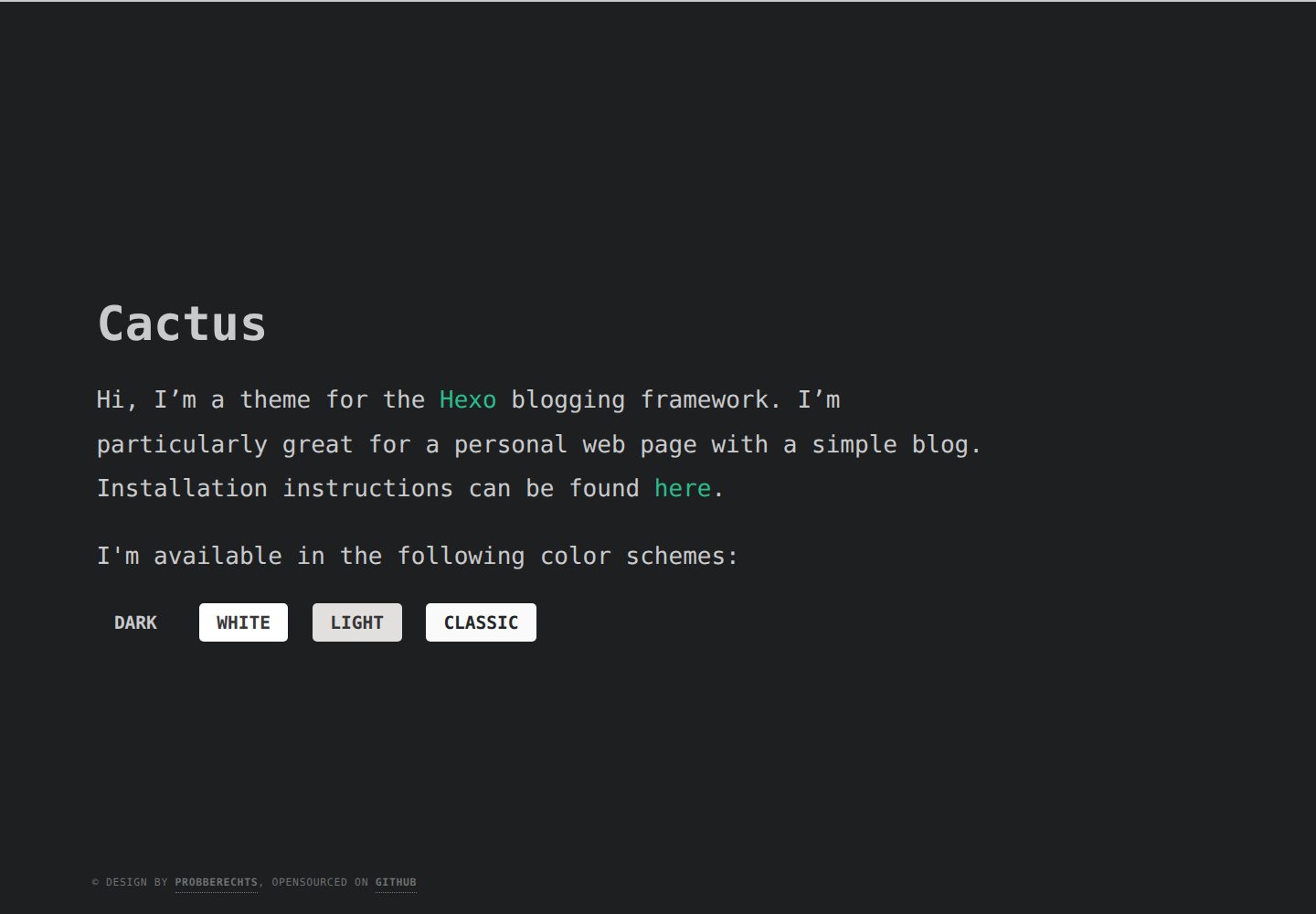
hexo-theme-cactus
Cactus is a responsive Hexo theme for personal websites and blogs, maintained by probberechts. It offers four color schemes (dark, light, white, classic), configurable navigation, homepage post lists, project lists, social links, and copyright year ranges.
Hexo · Blog
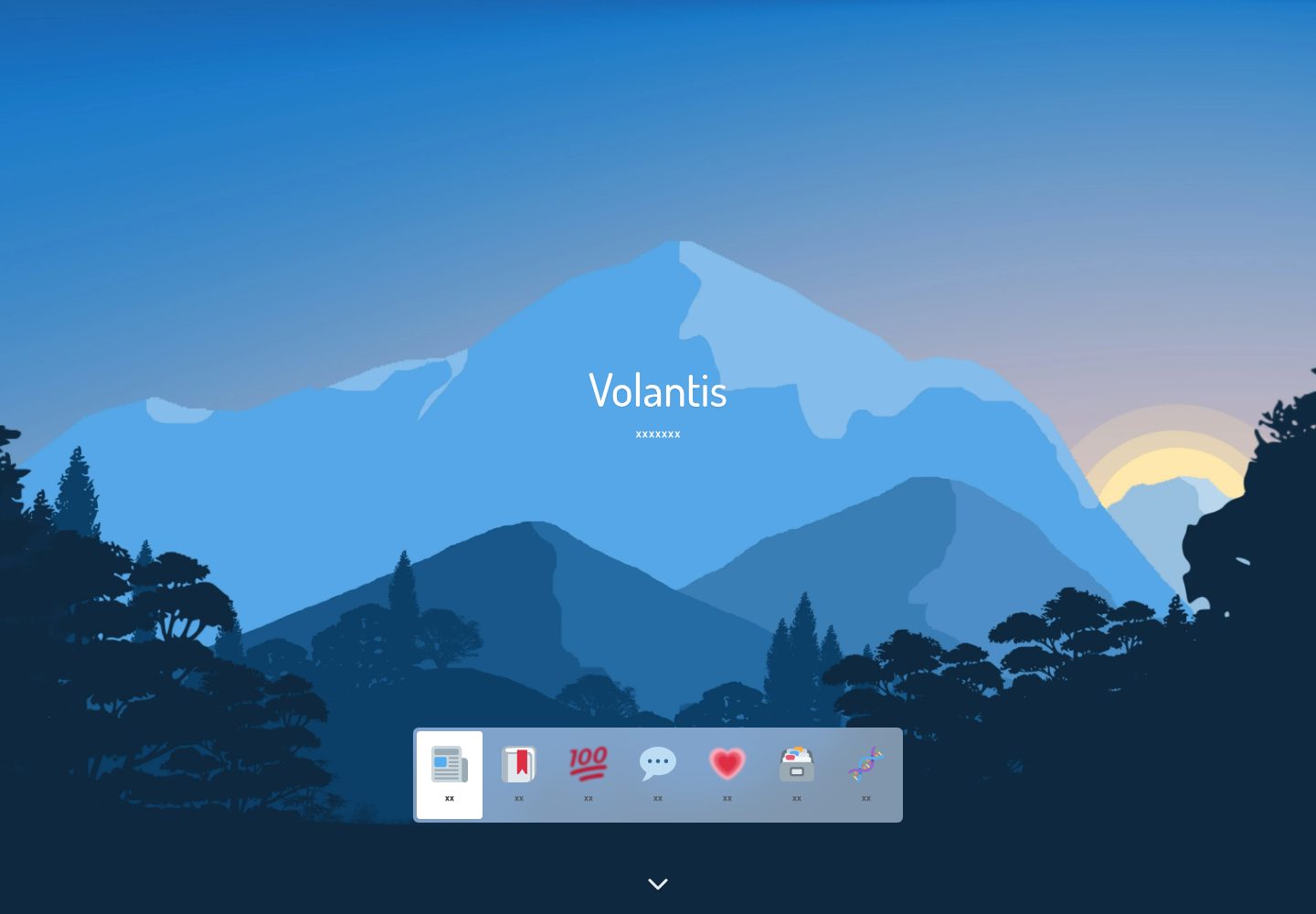
hexo-theme-volantis
Volantis is a blog theme for Hexo, distributed as the npm package hexo-theme-volantis and enabled by setting theme to volantis in the Hexo site's _config.yml. It requires Hexo 7.3+, hexo-cli 4.3+, Node.js 22.x LTS+, and npm 10.x LTS+.
Hexo · Blog
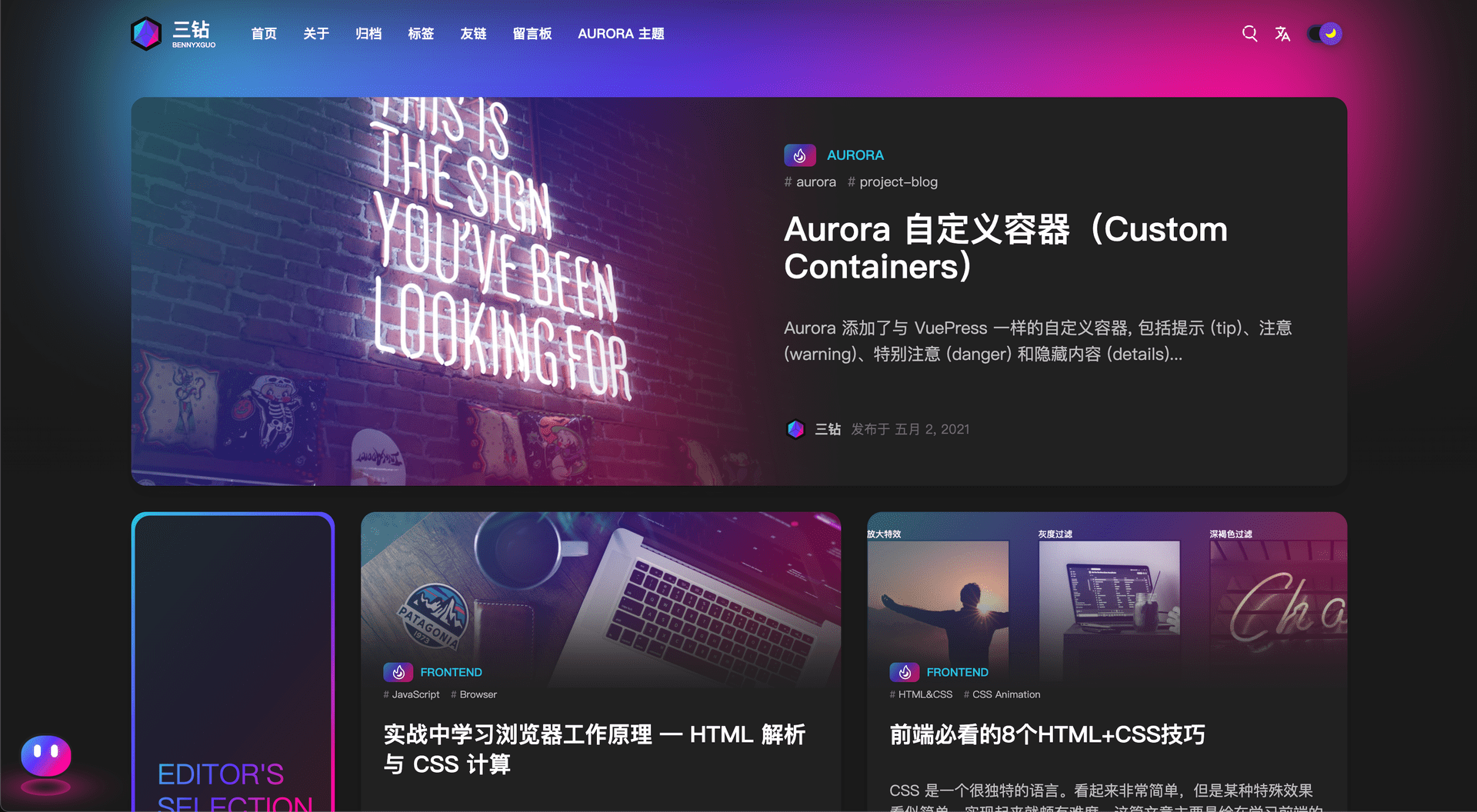
hexo-theme-aurora
Hexo Theme Aurora is a futuristic Hexo blog theme built around aurora gradients and a magazine-style grid layout.
Hexo · Blog
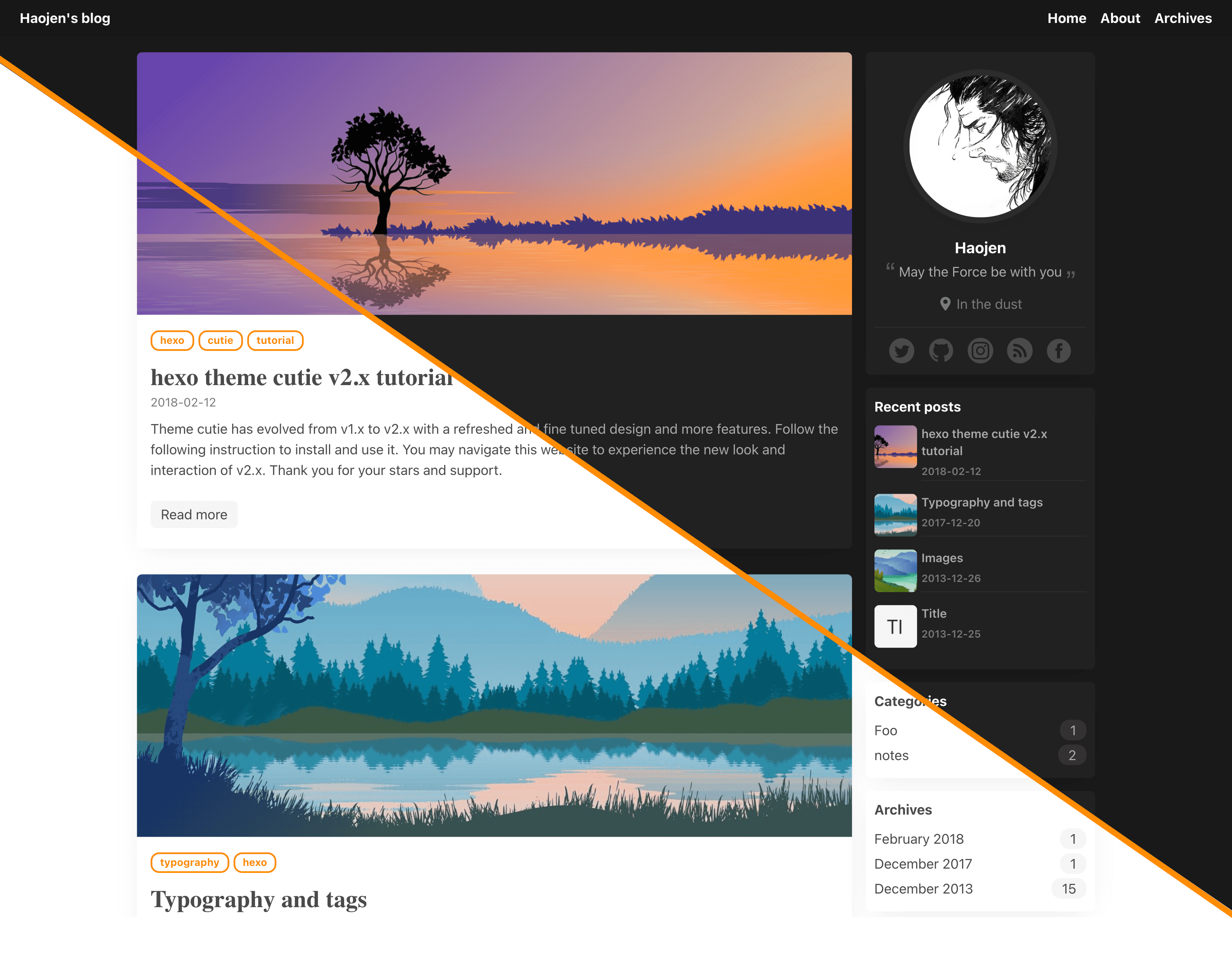
hexo-theme-Claudia
Claudia is a Hexo blog theme focused on a clean look and easy configuration. It automatically follows the device's dark mode and claims a 90+ Lighthouse score.
Hexo · Blog
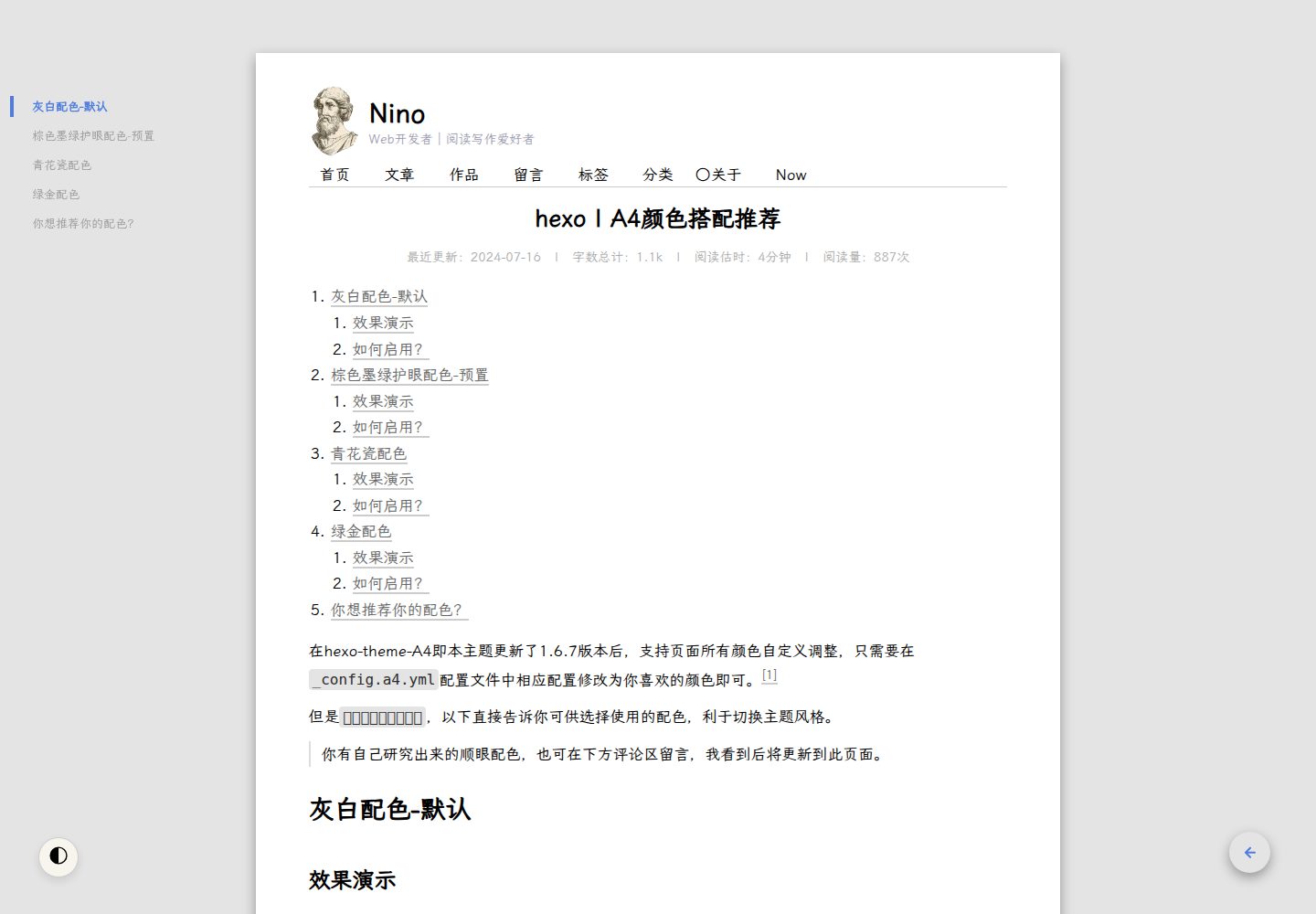
hexo-theme-A4
hexo-theme-A4 is a minimalist Hexo blog theme that mimics the texture of A4 paper, emphasizing simplicity, small size, and minimal configuration.
Hexo · Blog
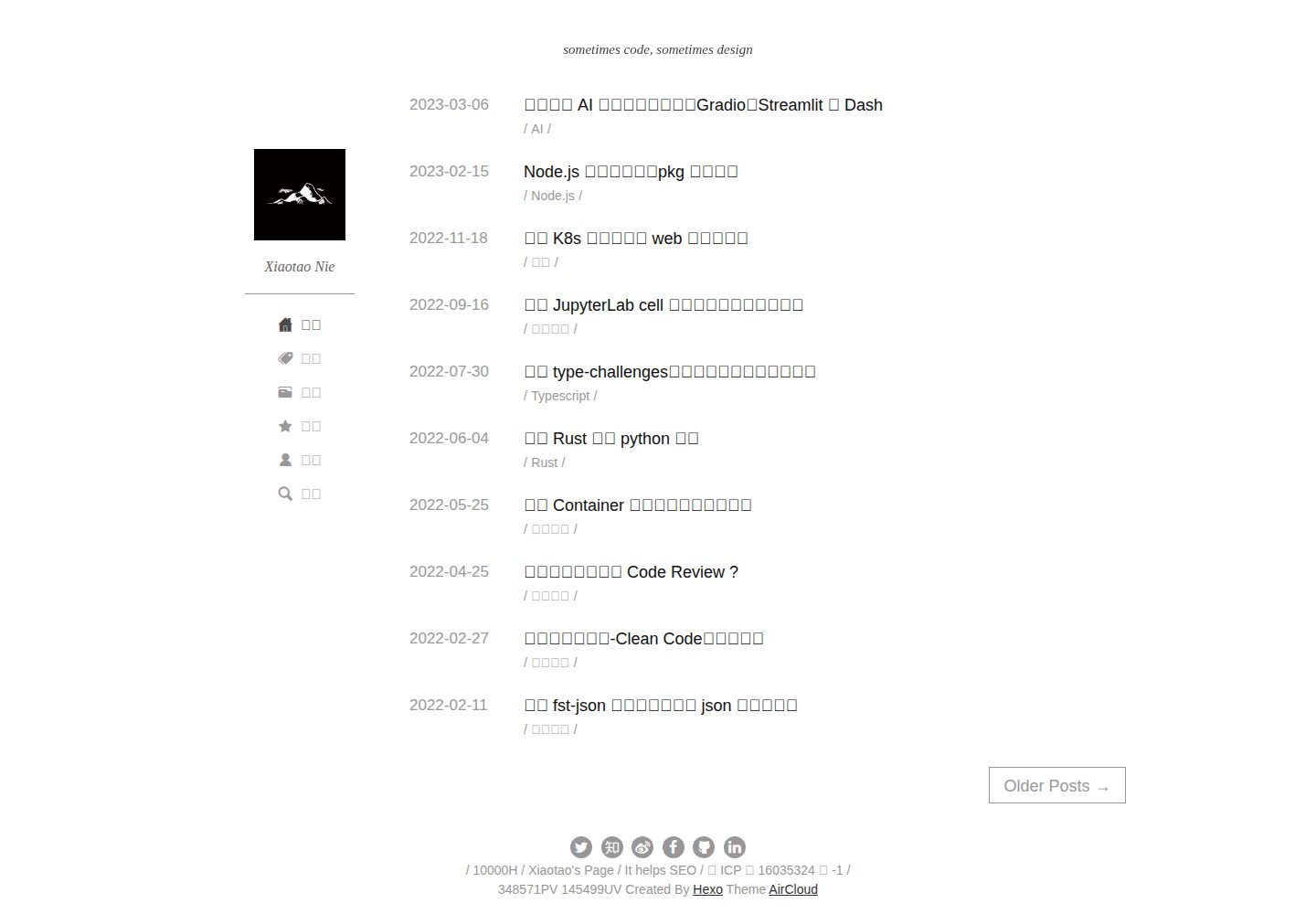
hexo-theme-aircloud
Hexo-Theme-AirCloud is a concise Hexo blog theme centered on post content, under the MIT license.
Hexo · Blog