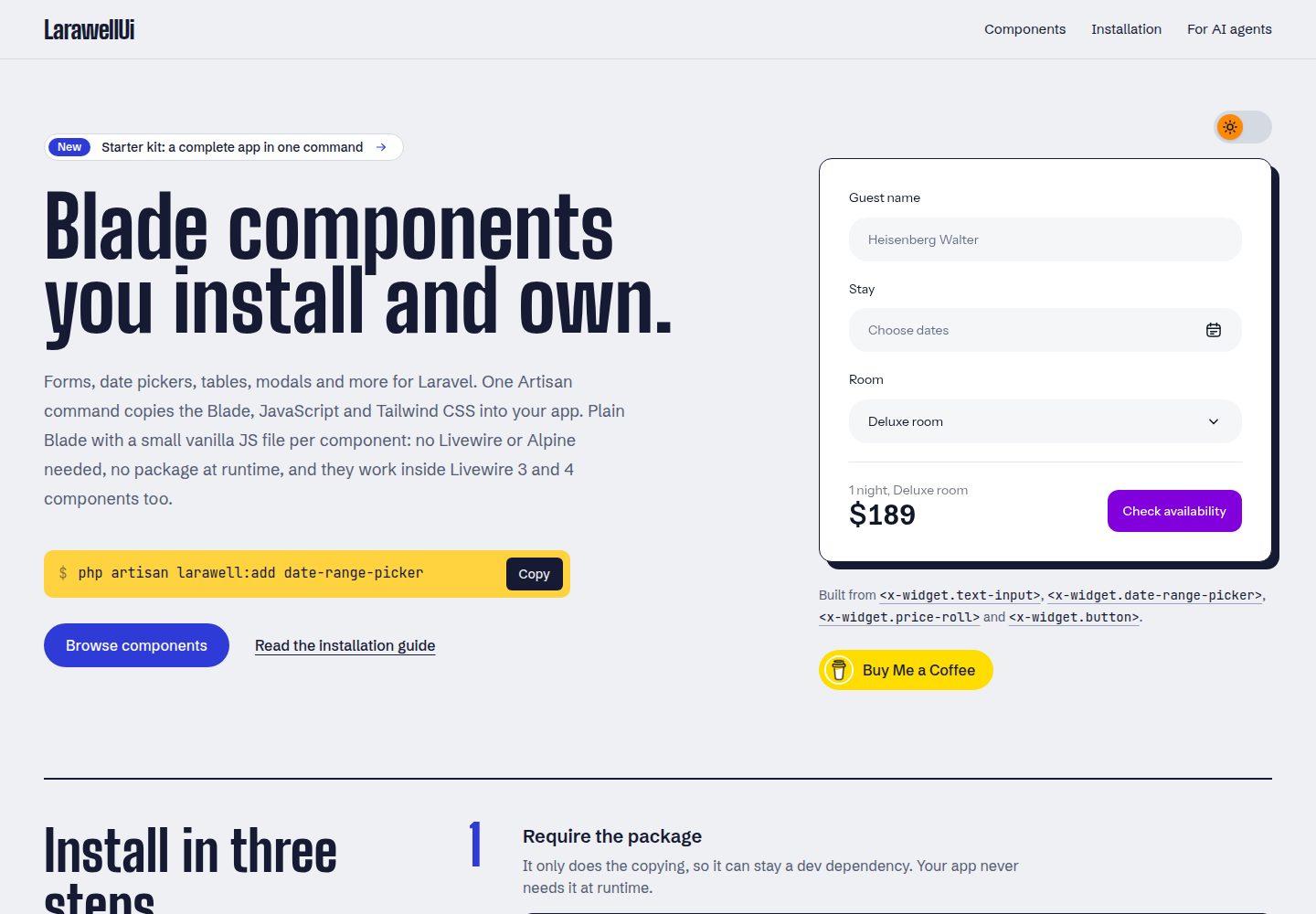
Sign-in, registration, password reset, email verification and settings pages built with LarawellUI Blade components
VueLaravelReactStarter
larawellui-starter-kit — Vue Starter Template
By rkwebforge
A Laravel starter built on LarawellUI Blade components, including sign-in, registration, password reset, email verification and account settings pages, without React, Vue, Inertia or Alpine.
Explore the design
Compare the page layouts and mobile experience. Open any screenshot for a closer look.
Desktop homepage1 / 2
Desktop captureTop of page
Actual screenshot captured by the server browser.
All pages & views 2
Screenshots show visual appearance; interactive behavior may differ.
Recorded 2026-10-04View source
What stands out
A quick read of the recorded project description.
Front end has no dependency on React, Vue, Inertia or Alpine and can run under a strict Content Security Policy
Security settings centralized in config/security.php, including login rate limiting, password strength and leak checks
Component files are copied into the application directory and can be edited freely, with modifications tracked via larawellui.lock
Two MCP services, Laravel Boost and larawell:mcp, let AI coding agents query components and project information
Each flow has corresponding feature tests under tests/Feature
Template Details
This is a Laravel starter template providing pages for sign-in, registration, password reset, email verification, password confirmation, dashboard and account settings, all composed from LarawellUI Blade components. The front end uses native Blade plus one lightweight vanilla JS module per component, with no dependency on React, Vue, Inertia or Alpine, and can run under a strict Content Security Policy.
The template uses SQLite by default and can switch to MySQL via .env; running db:seed creates [email protected] (password password) and generates several login history records for display in the dashboard table. New accounts must verify their email before accessing the dashboard; in the development environment the verification link is written to storage/logs/laravel.log; if verification is not needed, MustVerifyEmail can be removed from the User model.
Security configuration is centralized in config/security.php, covering login rate limiting, a minimum password length of 12 characters, checking for leaked passwords in production, requiring a password to change email, logging out other sessions when the password is changed, and sending a strict Content Security Policy on every page. SECURITY.md lists the full checklist and go-live checks, as well as what needs adjustment when integrating Stripe, analytics, embeds or Livewire.
Component files are copied into the application directory and can be modified freely; components are managed via commands such as larawell:list and larawell:add, and larawellui.lock records edited component files and must be committed to version control. The template is also prepared for AI coding agents, providing two MCP services, Laravel Boost and larawell:mcp, along with CLAUDE.md and AGENTS.md documentation files. Tests are located in tests/Feature and cover the flows described above.
VueLaravelReactStarter
Is it right for your project?
Use Cases
- Quickly building a Laravel application with a complete authentication flow
- Building authentication interfaces with Blade components instead of React, Vue or Alpine
- Laravel projects that need to run under a strict Content Security Policy
- Teams that want AI coding agents to participate in development while following unified project rules
Suitable For
- Developers using Laravel who prefer server-rendered Blade
- Projects needing basic authentication pages such as sign-in, registration, password reset and email verification
- Teams that want security configuration centralized, auditable and adjustable as needed
- Developers using AI coding agents and wanting them to follow project rules
Getting started & customization
Use these recorded setup notes alongside the repository instructions for your chosen version.
- 1
Create a project with laravel new my-app --using=larawellui/starter-kit or composer create-project larawellui/starter-kit my-app
- 2
After creation, run npm install && npm run build, then composer run dev to start the development environment
- 3
SQLite is used by default; to switch to MySQL, set DB_* in .env and run php artisan migrate
- 4
Run php artisan db:seed to generate the test account [email protected] (password password) and login history data
- 5
In the development environment the email verification link is written to storage/logs/laravel.log; if verification is not needed, remove MustVerifyEmail from app/Models/User.php
License & source material
Usage conditions & limitations
Free to use · keep license noticeThis listing covers the free version in the public repository under the MIT license; the free scope is the code of that version and does not mean external services or third-party assets are free.
Must comply with when using
- The code of this version may be used, modified, used commercially and distributed free of charge.
- When distributing copies or substantial portions of the code, retain the original author's copyright notice and the full MIT license notice.
- The code is provided as is; warranties and limitations of liability are governed by the original license and applicable law.
Additional costs & items to verify
- Demo images, fonts, icons and other third-party assets must be checked against their respective licenses and cannot be judged solely by the code's MIT license.
- External services such as domains, hosting, databases, payments or AI may incur separate charges.
- LarawellUI is pre-1.0, so running composer update alone only stays within the current minor version; upgrading to a new minor version (such as 0.3) requires explicitly specifying the version number, otherwise new fixes and components will not be obtained.
- When updating components, component files that have been manually edited are not overwritten automatically; developers must use larawell:diff to review differences and merge manually.
- New accounts must complete email verification before accessing the dashboard; in the development environment the verification link is written to storage/logs/laravel.log, and a real mail service must be configured to send verification emails properly in production.
- Laravel Boost is a development dependency only; production deployments must use composer install --no-dev, otherwise related development tools will enter the server environment.
- When using the MCP service, API keys must not be written into .mcp.json and must be provided via environment variables, otherwise there is a risk of key leakage.
View Original Text Basis
Permission is hereby granted, free of charge
Original License Text
While LarawellUI is below 1.0, `composer update` alone stays within the minor version you have: `^0.2.1` gets 0.2.x fixes but never 0.3.0, as Composer treats each 0.x minor release as possibly breaking. That's why the first command names the version.
Original README
`larawell:add --installed` never overwrites a file you've edited: it reports it, and `larawell:diff` shows the difference so you can merge by hand.
Original README
New accounts verify their email before reaching the dashboard; in development the link is written to `storage/logs/laravel.log` (`MAIL_MAILER=log`).
Original README
Boost is a development dependency: deploy with `composer install --no-dev` and it isn't on your server.
Original README
https://github.com/rkwebforge/larawellui-starter-kit/blob/main/LICENSEhttps://github.com/rkwebforge/larawellui-starter-kit/blob/main/README.mdNever put API keys in `.mcp.json`; use environment variables.
Original README
Compiled by DeepSeek based on repository license and README ·2026-10-04. Results only cover the materials read; dependencies, images, fonts, and subsequent term changes are subject to their respective original texts.
Project checks & description sources
Template Information
- Source platforms
- GitHub
- Documentation and maintenance reference score
- More documented · 85 / 100
- Technologies
- Vue · Laravel · React
- Website type
- Starter
How this score is calculated
Our heuristic uses license records (up to 30), a demo link (12), a preview (10), stars (15), recorded maintenance (15), description completeness (8), feature records (5) and classification data (5). It is not a code, security or performance test, or a Google score. A link does not establish tested functionality.
What to verify for this project
- Repository update recorded
- 2026-10-04
- Screenshot last checked
- 2026-10-04
A demo link is listed. Check it with your own content and viewport sizes; its presence does not confirm that forms, authentication or payments work.
The catalog identifies Vue as the primary stack. Check the actual dependency manifest and lockfile for versions and hosting requirements. These notes use recorded metadata, not a code audit or a deployment test.
Use a selection guide →How this description was prepared
AI-assisted description based on catalog records and repository material. Repository authors are not automatically the reviewers of this description.
Review declaration: [email protected] · 2026-10-04
Inspect the recorded source material
SHA-256: e851987d132c162553d6e2b9957cef0b8909762a82569c7f9961bae2d5014182
2026-10-04T11:16:58.525Z
Source file / repository# LarawellUI Starter Kit A Laravel starter kit with sign in, registration, password reset, email verification and account settings, built from [LarawellUI](https://larawellui.wasmer.app) widgets. Plain Blade and a small vanilla JS module per widget: no React, Vue, Inertia or Alpine. Works under a strict Content Security Policy. ## Start a new app ```bash laravel new my-app --using=larawellui/starter-kit cd my-app npm install && npm run build composer run dev ``` Or without the Laravel installer: ```bash composer create-project larawellui/starter-kit my-app cd my-app npm install && npm run build composer run dev ``` It uses SQLite by default. For MySQL, set the `DB_*` values in `.env`, then run `php artisan migrate`. To try it with data, run `php artisan db:seed`: it creates `[email protected]` (password `password`) with a few pages of sign-in history for the dashboard table. The home page links to every page; the ones behind sign in ask for it first, then go straight there. ## What's included | Page | Route | Widgets | | --- | --- | --- | | Sign in | `/login` | text-input, password, checkbox, button, alert | | Create account | `/register` | text-input, password (with its rule checklist), button | | Forgot / reset password | `/forgot-password`, `/reset-password/{token}` | text-input, password, button, alert | | Verify email | `/verify-email` | button, alert | | Confirm password | `/confirm-password` | password, button | | Dashboard: your sign-in history | `/dashboard` | table (sortable, paginated, cards on phones), alert, dropdown account menu | | Settings | `/settings/profile` | text-input, password, button, breadcrumbs, modal (other devices, delete account), toast | New accounts verify their email before reaching the dashboard; in development the link is written to `storage/logs/laravel.log` (`MAIL_MAILER=log`). To skip verification, remove `implements MustVerifyEmail` from `app/Models/User.php`. ## Security Safe by default, and every choice is in one file, [`config/security.php`](config/security.php), with a comment on what changing it costs. Sign-in is rate limited, passwords need 12+ characters (and are checked against known breaches in production), changing your email asks for your password, a password change signs out your other sessions, and every page sends a strict Content Security Policy. [SECURITY.md](SECURITY.md) has the full list, a checklist for going live, and what to change when your app adds Stripe, analytics, embedding or Livewire. ## Where things live ```text routes/auth.php sign in, registration, password reset, verification routes/web.php dashboard and settings app/Http/Controllers/Auth/ the auth controllers app/Http/Controllers/Settings/ profile, password, other devices app/Http/Middleware/SecurityHeaders.php the Content Security Policy and other browser security headers app/Listeners/RecordSignIn.php keeps the sign-in history config/security.php every security setting, explained resources/views/components/layouts/ app (header and account menu) and guest (centred card) resources/views/auth/ the auth pages resources/views/components/theme-toggle.blade.php the Light / Dark / System menu resources/js/theme.js, theme-boot.js switching the theme, and applying it before the page is drawn resources/views/components/widget/ LarawellUI widgets: yours to edit resources/js/widget/, resources/css/widget/ larawellui.lock which widget files you've edited; commit it ``` ## Widgets The widgets are copied into your app, so you can change them freely. To add more: ```bash php artisan larawell:list php artisan larawell:add datepicker ``` `pint.json` leaves `app/View/Widget` alone: reformatting those files would mark them as edited, and updates would then skip them. ### Keeping widgets up to date Your app keeps the widgets exactly as they were when you created it; nothing changes behind your back. New LarawellUI releases bring fixes and new widgets, and you take them when you choose: ```bash composer require --dev larawellui/larawellui:^0.3 # move to the new release (the version from its changelog) php artisan larawell:add --installed # update the widget files you haven't edited php artisan larawell:diff # see what changed in the ones you have php artisan larawell:add new-widget # add a widget that's new in that release ``` `larawell:add --installed` never overwrites a file you've edited: it reports it, and `larawell:diff` shows the difference so you can merge by hand. `larawellui.lock` is how it tells them apart, so commit it. While LarawellUI is below 1.0, `composer update` alone stays within the minor version you have: `^0.2.1` gets 0.2.x fixes but never 0.3.0, as Composer treats each 0.x minor release as possibly breaking. That's why the first command names the version. Read the [changelog](https://github.com/rkwebforge/larawellui/blob/main/CHANGELOG.md) for the widgets you use before moving. ## AI agents The kit is ready for AI coding agents (Claude Code, Codex, Cursor, Copilot and others): - **[Laravel Boost](https://github.com/laravel/boost)** gives them this app's Laravel version, database schema, logs, errors and version-matched Laravel docs, through its MCP server (`php artisan boost:mcp`). - **`php artisan larawell:mcp`** lets them look up every widget's props and examples, and install widgets. - **`CLAUDE.md` and `AGENTS.md`** tell them how to work here: the kit's rules (widgets, the Content Security Policy, `config/security.php`, tests) and a careful working style. Claude Code finds both MCP servers in `.mcp.json` by itself. For another agent, run `php artisan boost:install` and pick it: Boost writes that agent's MCP settings and instructions file; add `larawellui` (`php artisan larawell:mcp`) next to `laravel-boost` there. `CLAUDE.md` and `AGENTS.md` are generated, so write your own rules in `.ai/guidelines/`, then run `php artisan boost:update`. Commit these files: they're the project's instructions, so every agent and every teammate works by the same rules, and changes to them get reviewed like code. Your personal ones stay out of git: `CLAUDE.local.md`, `.claude/settings.local.json`, `.codex/` and `.cursor/` are in `.gitignore`. Never put API keys in `.mcp.json`; use environment variables. Boost is a development dependency: deploy with `composer install --no-dev` and it isn't on your server. ## Tests ```bash php artisan test ``` Every flow above has a feature test in `tests/Feature`. ## Versions The kit is versioned by date: `2026.10.0` is the first release of October 2026, and `2026.10.1` a fix to it. You copy a starter kit once rather than upgrade it, so the version says how fresh your copy is. [CHANGELOG.md](CHANGELOG.md) lists what each release changed. ## License MIT. See [LICENSE](LICENSE).
Explore similar templates
Compare previews and descriptions within the same stack and category.
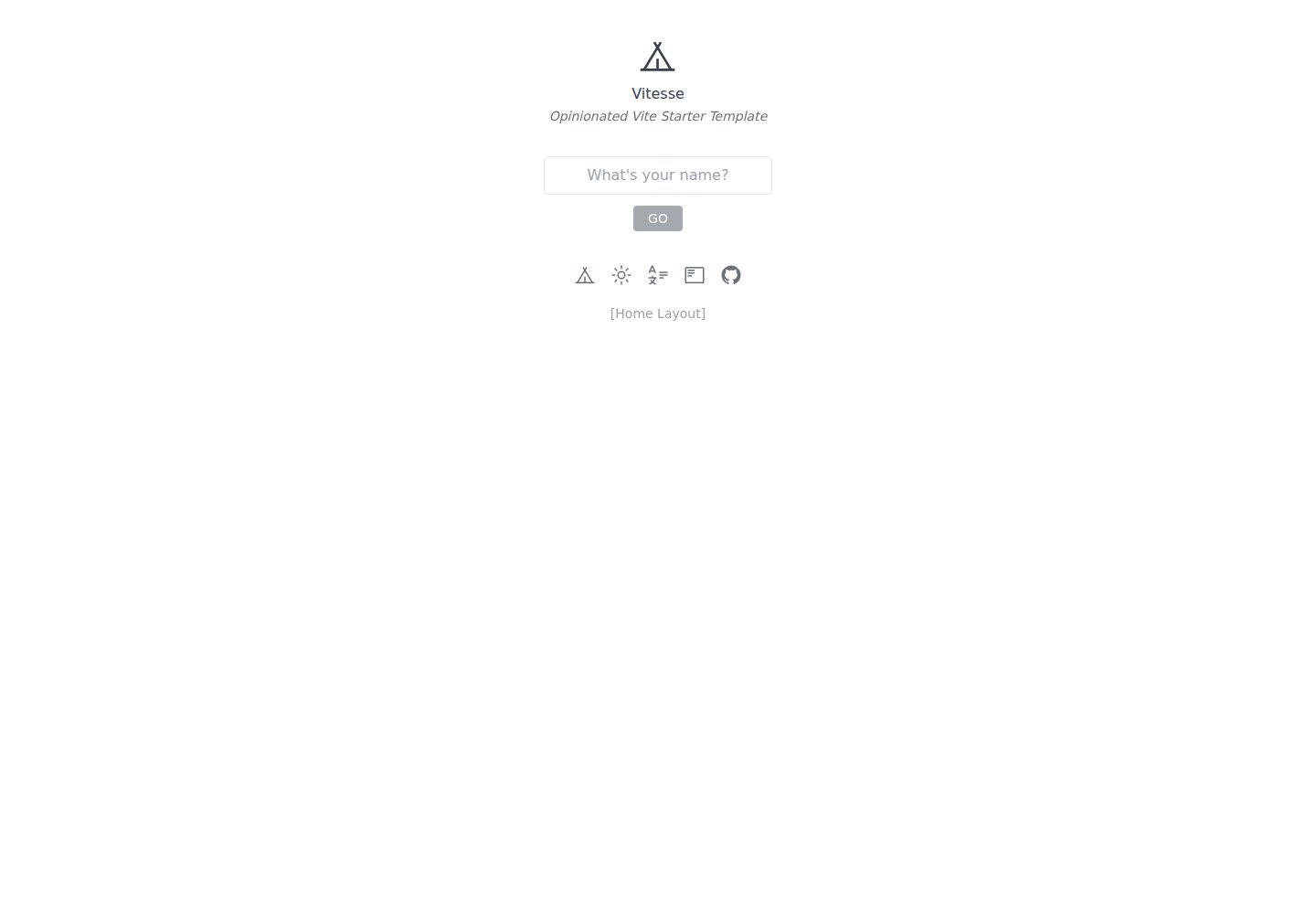
vitesse
Vitesse is an opinionated Vite + Vue 3 starter template maintained by antfu-collective, offering file-based routing, component and API auto-import, Pinia, UnoCSS, PWA, i18n, Markdown, vite-ssg, TypeScript, Vitest, and Cypress.
Vue · Starter
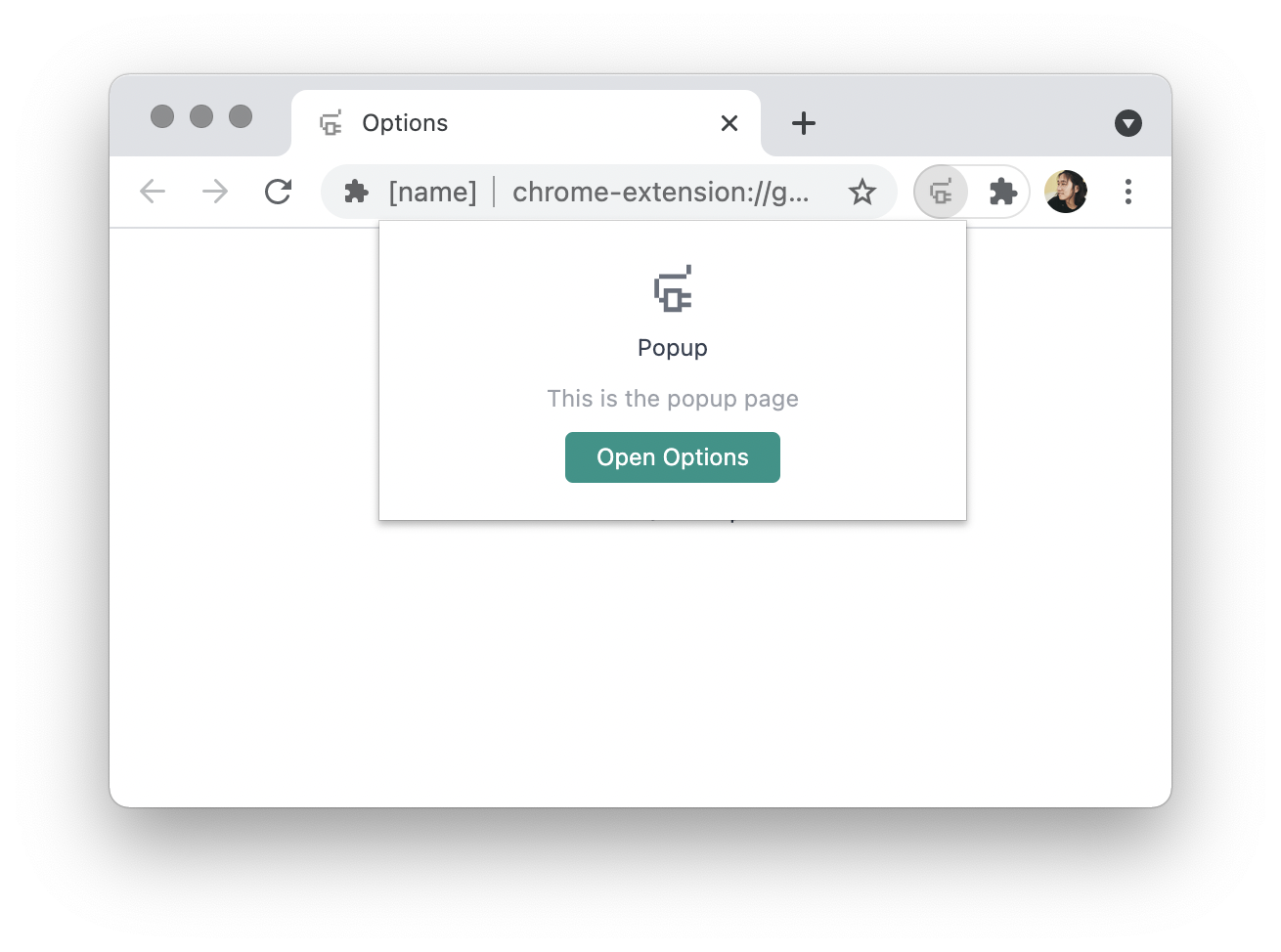
vitesse-webext
vitesse-webext is a Vite-powered WebExtension starter template using Vue 3 and TypeScript, with built-in popup, options, and content script examples. It targets Chrome and Firefox, integrates webextension-polyfill, webext-bridge, UnoCSS, VueUse, and unplugin tools, and supports hot reload during development.
Vue · Starter
laravel-vue-spa
A Laravel + Vue SPA starter kit for quickly building a decoupled web application skeleton. It includes login, registration, email verification, and password reset flows, uses JWT for authentication, and integrates Laravel Socialite with GitHub as an example provider.
Vue · Starter
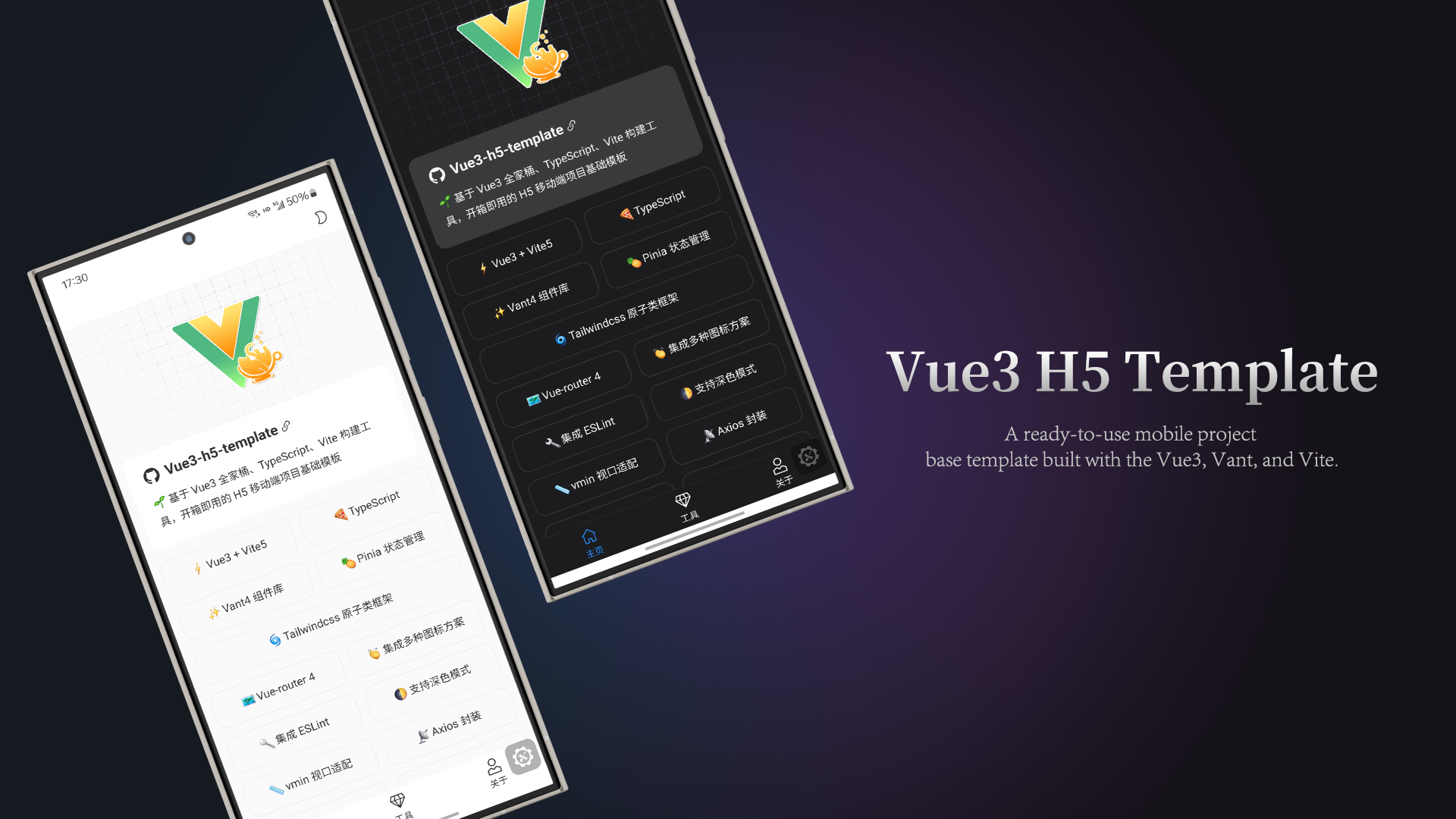
vue3-h5-template
A mobile H5 starter template built on Vue3, Vite, and Vant4, with TypeScript by default and JavaScript and i18n branches.
Vue · Starter
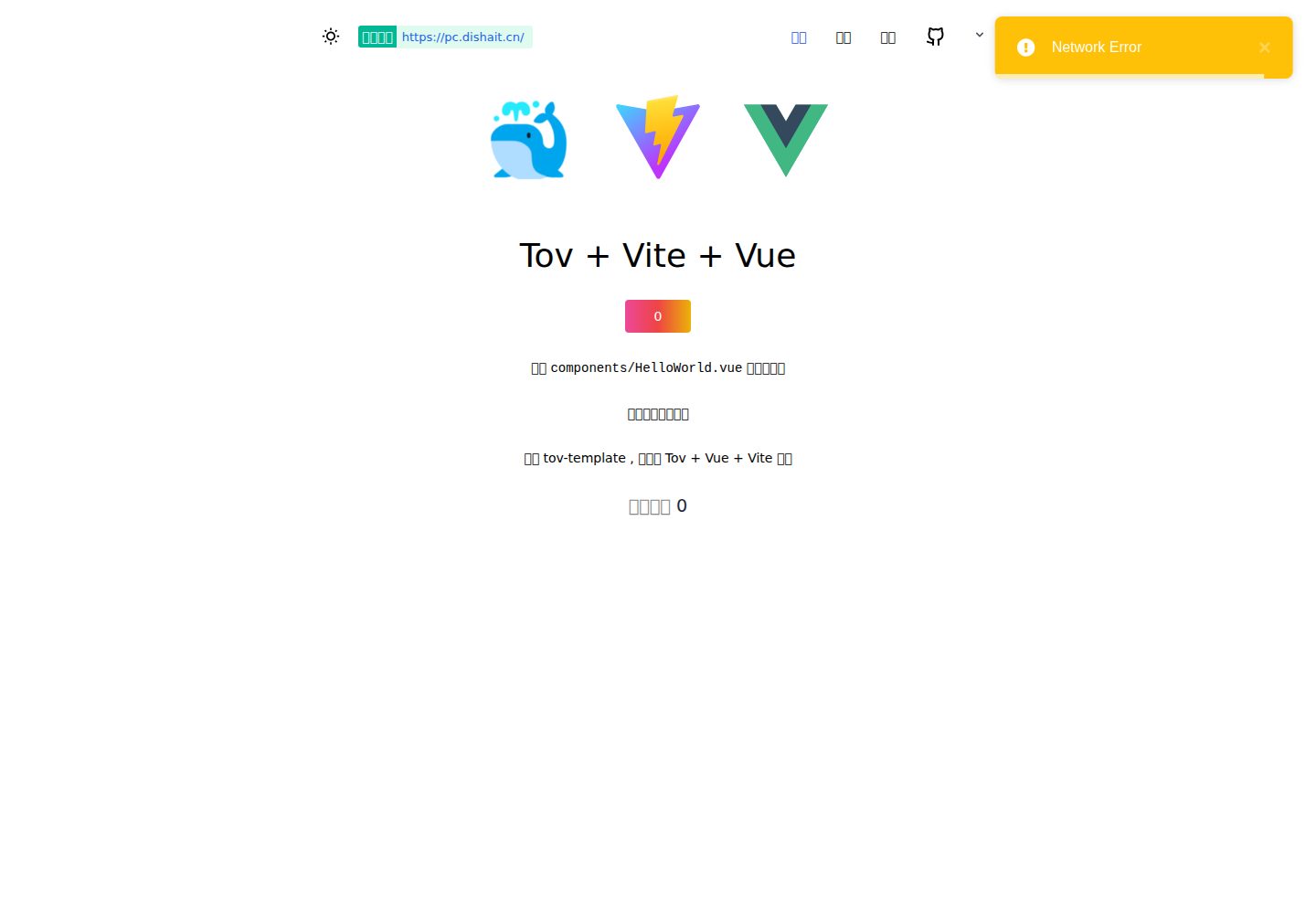
tov-template
tov-template is an MIT-licensed Vite + Vue 3 + TypeScript starter maintained by dishait. It bundles file-based routing, layouts, Mock, auto-imports, UnoCSS, Pinia, vue-request, Vitest, i18n, dark mode, Dockerfile, and engineering scripts.
Vue · Starter
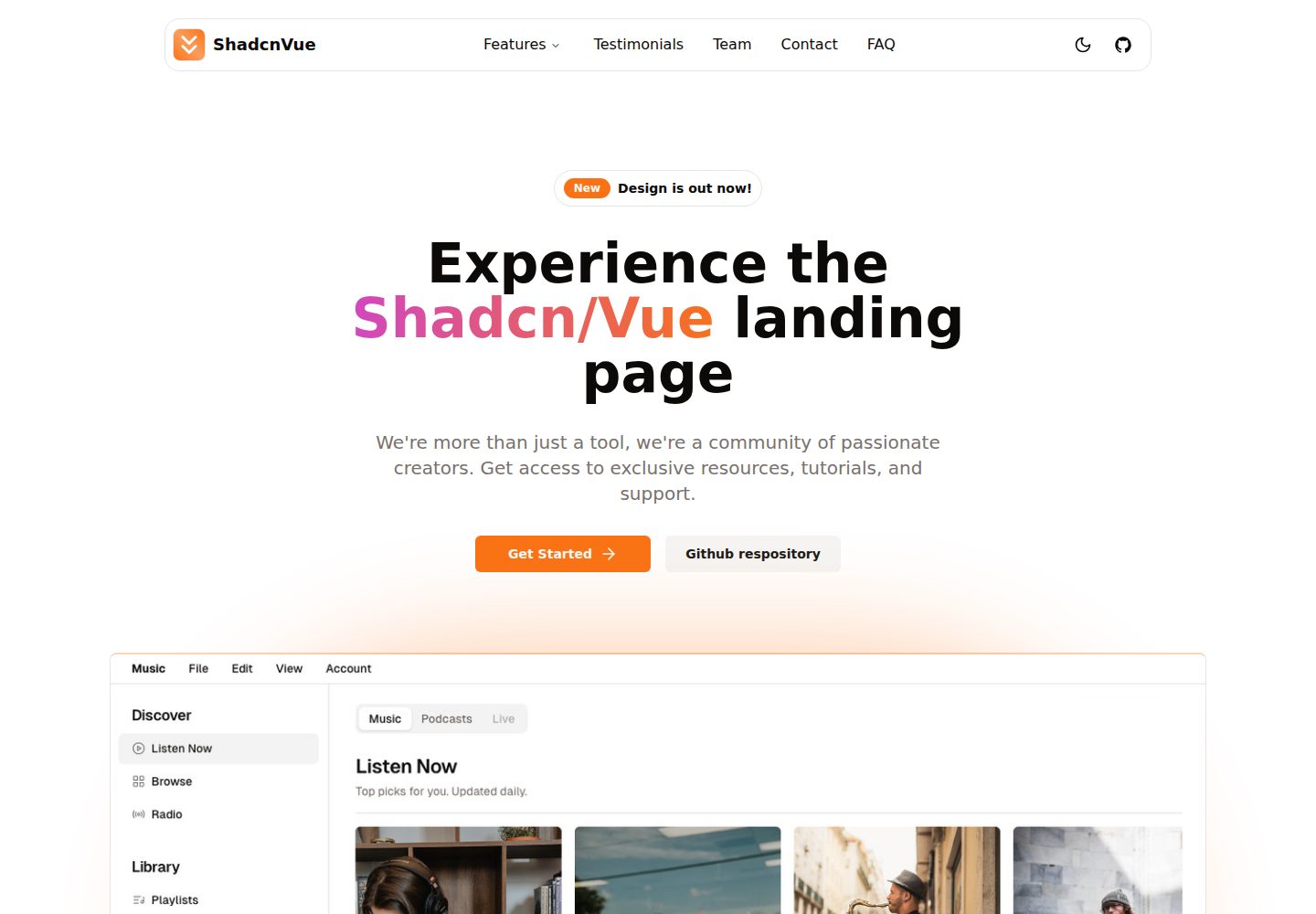
shadcn-vue-landing-page
A Vue + Shadcn-Vue + TypeScript + Tailwind landing page template with sections like Navbar, Hero, Pricing, FAQ, Team, and Contact, plus dark mode and responsive layout.
Vue · Corporate Website