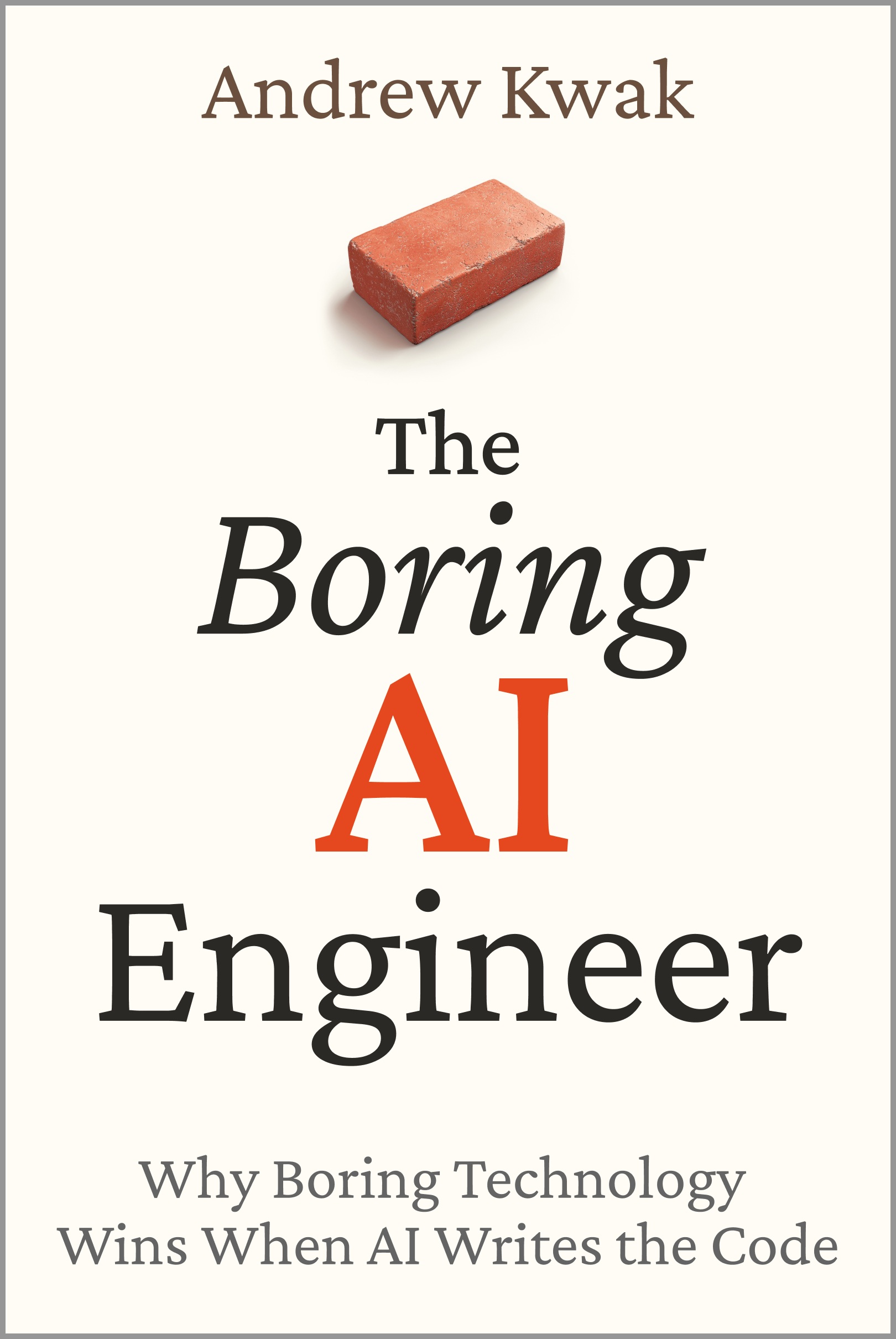
书籍配套代码,作者定位为可复制进现有 Rails 应用的少量参考文件,而非 gem、框架或生成器
Rails启动器
boring-starter — Rails 启动器模板
作者 andrew-kwak
《The Boring AI Engineer》一书的配套代码仓库,提供若干可复制到 Rails 应用中的参考文件,涵盖约定文档、模型调用入口、Agent 运行状态、后台任务与 Stripe Webhook 处理。
看看你的网站会是什么样
浏览真实页面截图,比较内容排版与手机效果。点击下方缩略图切换,放大查看整页细节。
目前有 1 张原始预览,可打开完整图片查看设计细节。
截图用于了解视觉与布局,交互效果请以实际项目为准。
采集于 2026-10-13查看来源
值得关注的模板亮点
从已有项目资料中,快速了解它的特点。
CONVENTIONS.md 提供面向人类与 Agent 的常驻约定,建议置于仓库根目录并作为首次提交
llm.rb 作为模型调用的单一入口,涉及超时、用量、重试与按租户隔离的缓存
agent_run.rb 与 agent_run_job.rb 把 Agent 状态和循环落到数据库列与带预算的任务中
stripe_webhooks_controller.rb 展示支付回调的先记录后动作与双重幂等处理
代码采用 MIT 许可,client、MODELS、Usage、Summary 等名称需自行接入服务商与业务领域
模板详细介绍
这是 Andrew Kwak 所著《The Boring AI Engineer — Why Boring Technology Wins When AI Writes the Code》的配套代码,基于 Rails。作者明确说明它不是 gem、不是框架、也不是生成器,而是书中主张每个 AI 驱动的 Rails 应用都需要的少量文件,规模小到可以从头读到尾,设计意图是被复制进你自己的应用再作调整。
仓库包含的文件及其定位:CONVENTIONS.md 是给人和 Agent 的常驻约定,建议放在仓库根目录并作为首次提交;app/models/llm.rb 是模型调用的唯一入口,涉及超时、用量、重试和按租户隔离的缓存;app/models/agent_run.rb 把 Agent 状态存为数据库行,状态、步骤、预算都是列;app/jobs/agent_run_job.rb 是带预算的 Agent 循环,失败不会让运行卡死;app/jobs/summarize_job.rb 是队列形态的 AI 工作,用原子认领去重、用释放来恢复;app/controllers/stripe_webhooks_controller.rb 处理支付路径,先记录后动作,并做双重幂等。
README 指出 client、MODELS、Usage、Summary 等名称是刻意保留的参考形状,需要你自己接到所用服务商和业务领域上。代码采用 MIT 许可,可免费使用、修改、商用和分发,但演示图片、字体、图标等第三方素材需按各自许可核对,域名、托管、数据库、支付或 AI 等外部服务可能另行收费。仓库未提供安装步骤、依赖清单或运行说明,也没有测试与部署配置,因此它更接近可阅读、可摘取的代码片段集合,而非开箱即用的项目骨架。
Rails启动器
适合你的项目吗?
适用场景
- 为已有 Rails 应用补充 AI 调用入口、Agent 运行记录与后台任务的组织方式
- 在团队中引入面向人和编码 Agent 的约定文档,统一协作规则
- 参考支付回调的幂等与记录顺序,设计 Stripe Webhook 处理流程
- 作为阅读《The Boring AI Engineer》时的对照代码,逐文件理解书中主张
适合人群
- 使用 Rails 并希望在现有项目中引入 AI 能力的开发者
- 需要为编码 Agent 提供明确约定的团队
- 正在设计模型调用、后台任务或支付回调结构的工程师
- 阅读该书并希望对照实现细节的读者
上手与定制指南
结合仓库当前版本的说明,按下面的资料检查内容、配置与运行要求。
- 1
仓库未提供安装步骤或依赖清单,需自行将文件复制到目标 Rails 应用并按项目结构调整
- 2
client、MODELS、Usage、Summary 等名称是参考形状,需接入你使用的模型服务商与业务领域
- 3
代码采用 MIT 许可,分发副本或实质性部分时需保留原作者版权声明和完整 MIT 许可声明
- 4
演示图片、字体、图标等第三方素材需按各自许可单独核对
- 5
域名、托管、数据库、支付或 AI 等外部服务可能另行收费
授权与来源资料
使用条件与限制
免费使用 · 保留许可声明本次收录的是公开仓库中采用 MIT 许可的免费版本;免费范围为该版本代码,不代表外部服务或第三方素材免费。
使用时需要遵守
- 允许免费使用、修改、商用和分发该版本代码。
- 分发代码副本或实质性部分时,保留原作者版权声明和完整 MIT 许可声明。
- 代码按现状提供;担保与责任限制以原许可证及适用法律为准。
额外费用与待核对事项
- 演示图片、字体、图标及其他第三方素材需按各自许可核对,不能仅凭代码的 MIT 许可判断。
- 域名、托管、数据库、支付或 AI 等外部服务可能另外收费。
- 代码中的 client、MODELS、Usage、Summary 等名称仅为参考形状,未绑定具体服务商,使用者必须自行接入自己的模型服务商与业务领域后才能运行。
- 项目不是 gem、框架或生成器,只是少量参考文件,设计用途是复制进已有 Rails 应用并自行改造,不提供开箱即用的完整项目骨架。
- MIT 许可仅覆盖代码;书中正文与 Boring Rules 文本为作者版权内容,不在 MIT 授权范围内,不可按代码许可自由使用。
查看原文依据
Permission is hereby granted, free of charge
许可证原文
Names like `client`, `MODELS`, `Usage`, and `Summary` are deliberately left as reference shapes — wire them to your provider and your domain.
README 原文
This is not a gem, not a framework, not a generator. It's the handful of files the book argues every AI-powered Rails app needs — small enough to read top to bottom, meant to be copied into your app and adapted.
README 原文
https://github.com/andrew-kwak/boring-starter/blob/master/LICENSEhttps://github.com/andrew-kwak/boring-starter/blob/master/README.mdCode: MIT. Book text and the Boring Rules: © 2026 Andrew Kwak, quoted here with the author's blessing (he insisted).
README 原文
DeepSeek 根据仓库许可证和 README 整理 ·2026-10-13。结果仅覆盖已读取资料,依赖、图片、字体及后续条款变更以各自原文为准。
项目核对记录与介绍依据
模板资料
- 来源平台
- GitHub
- 资料与维护参考分
- 资料一般 · 68 / 100
- 技术栈
- Rails
- 网站类型
- 启动器
这个分数如何计算
本站按许可资料(最高30分)、演示链接(12分)、预览图(10分)、Star数(15分)、记录的维护时间(15分)、描述完整度(8分)、功能记录(5分)和分类资料(5分)计算。它不是代码、安全或性能测试,也不是 Google 评分;有链接不代表已实测可用。
这个项目需要核对什么
- 记录的仓库更新时间
- 2026-07-05
- 截图检查日期
- 2026-10-13
目前没有记录演示链接。请依据仓库说明在本地评估;仅凭截图无法确认交互行为。
目录记录的主要技术栈是 Rails。请通过依赖清单和锁文件核对实际版本与托管要求。这些说明基于收录资料,不代表代码审计或部署实测。
查看具体选型方法 →介绍的制作与核对状态
介绍由 AI 辅助整理目录与仓库资料。仓库作者不等于这篇介绍的审核者。
审核声明: [email protected] · 2026-10-13
查看当时使用的来源资料
SHA-256: 597c913934dafa9b06322c737632aa7a30e230dd487507189518d9283dbbd75d
2026-10-13T05:06:24.417Z
来源文件 / 仓库# The Boring Starter <img src="cover.jpg" alt="The Boring AI Engineer — book cover" width="280" align="right" border="1"/> Companion code for **_The Boring AI Engineer — Why Boring Technology Wins When AI Writes the Code_** by Andrew Kwak. This is not a gem, not a framework, not a generator. It's the handful of files the book argues every AI-powered Rails app needs — small enough to read top to bottom, meant to be copied into your app and adapted. That's the philosophy: when you can read the code, you can check the agent's work. <br clear="right" /> ## The files | File | What it is | Book | |---|---|---| | `CONVENTIONS.md` | Standing orders for humans and agents. Drop in your repo root, first commit. | Appendix | | `app/models/llm.rb` | The single front door for every model call: timeout, usage, retries, tenant-scoped cache. | Ch. 15, 18 | | `app/models/agent_run.rb` | Agent state as a database row — status, steps, budget as columns. | Ch. 14 | | `app/jobs/agent_run_job.rb` | The agent loop: a loop with a budget, failure never strands a run. | Ch. 14 | | `app/jobs/summarize_job.rb` | Queue-shaped AI work: atomic claim to dedupe, release to recover. | Ch. 16 | | `app/controllers/stripe_webhooks_controller.rb` | The money path: record first, act second, idempotent twice over. | Ch. 20 | Names like `client`, `MODELS`, `Usage`, and `Summary` are deliberately left as reference shapes — wire them to your provider and your domain. The decisions are the product; the plumbing is yours. ## The Boring Rules 1. AI doesn't remove engineering decisions. It amplifies their consequences. 2. Churn is a business model. You are the customer, and the product is your migration. 3. Philosophy outlives syntax. Bet on the thing that hasn't changed its mind in two decades. 4. AI is a convention machine. Feed it conventions. 5. Every convention is a decision you don't have to make — and a prompt you don't have to write. 6. If it fits in one head, it fits in one context window. Keep it fitting. 7. Codebases rot from the data layer first. One idiom, no rot. 8. The fastest JavaScript is the JavaScript you didn't ship. 9. One server, one file, no ops team. That's not a toy — that's a business. 10. Perfect architecture is procrastination with diagrams. Perfect pixels are procrastination with Figma. 11. Start with three models. You can afford more when users demand them. 12. Don't predict the future. Make changing your mind cheap. 13. Complexity is bought with users, not anticipation. 14. An agent is a loop with a budget. Everything else is columns. 15. Treat the model like a database: call it through one door, cache it, time it out. 16. Slow AI belongs in a queue, not a request. Stream only for the blinking cursor. 17. If you can't eval it, you can't ship it. Test the plumbing, golden the shape, judge the judgment. 18. Rails.cache is the cheapest GPU. 19. The safest deploy is small, recent, and fully understood. Ship like it's saving a file. 20. Money is the swamp's deepest water. Cross it idempotent, logged, and twice-checked. 21. A backup you haven't restored is a wish. 22. Three alarms that mean it beat twenty you ignore. The intern gets a manager. 23. One framework, one database, one server, one person who understands it all. 24. Every yes is a ten-year contract. Make the no cheap, prepared, and polite — and adopt late, on purpose. 25. Tools change every year. Judgment compounds for decades. 26. Boring is not what's left when you fail to be exciting. It's what you choose when you intend to last. ## The book The full argument — why the boring stack wins precisely when code gets cheap, and the field map of the swamp between a great demo and a product that survives it — is in the book. **→ _The Boring AI Engineer_ — coming to Amazon (ebook + paperback).** Published by Dearnode Press · [dearnode.com](https://dearnode.com) ## License Code: MIT. Book text and the Boring Rules: © 2026 Andrew Kwak, quoted here with the author's blessing (he insisted).
看看同类模板
对比同技术栈与用途的模板,找到更适合的视觉与内容结构。
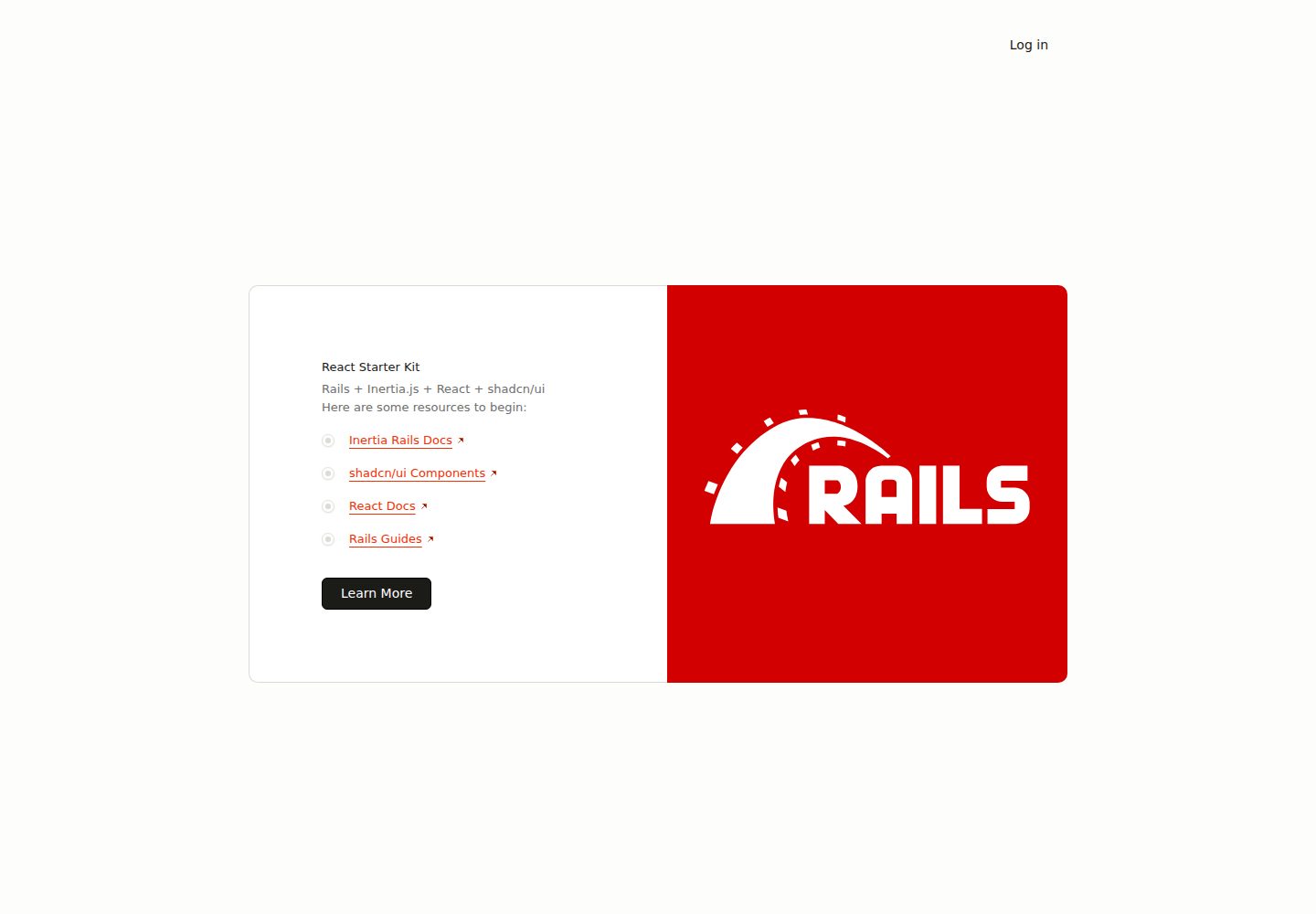
react-starter-kit
Inertia Rails React Starter Kit
Rails · 启动器
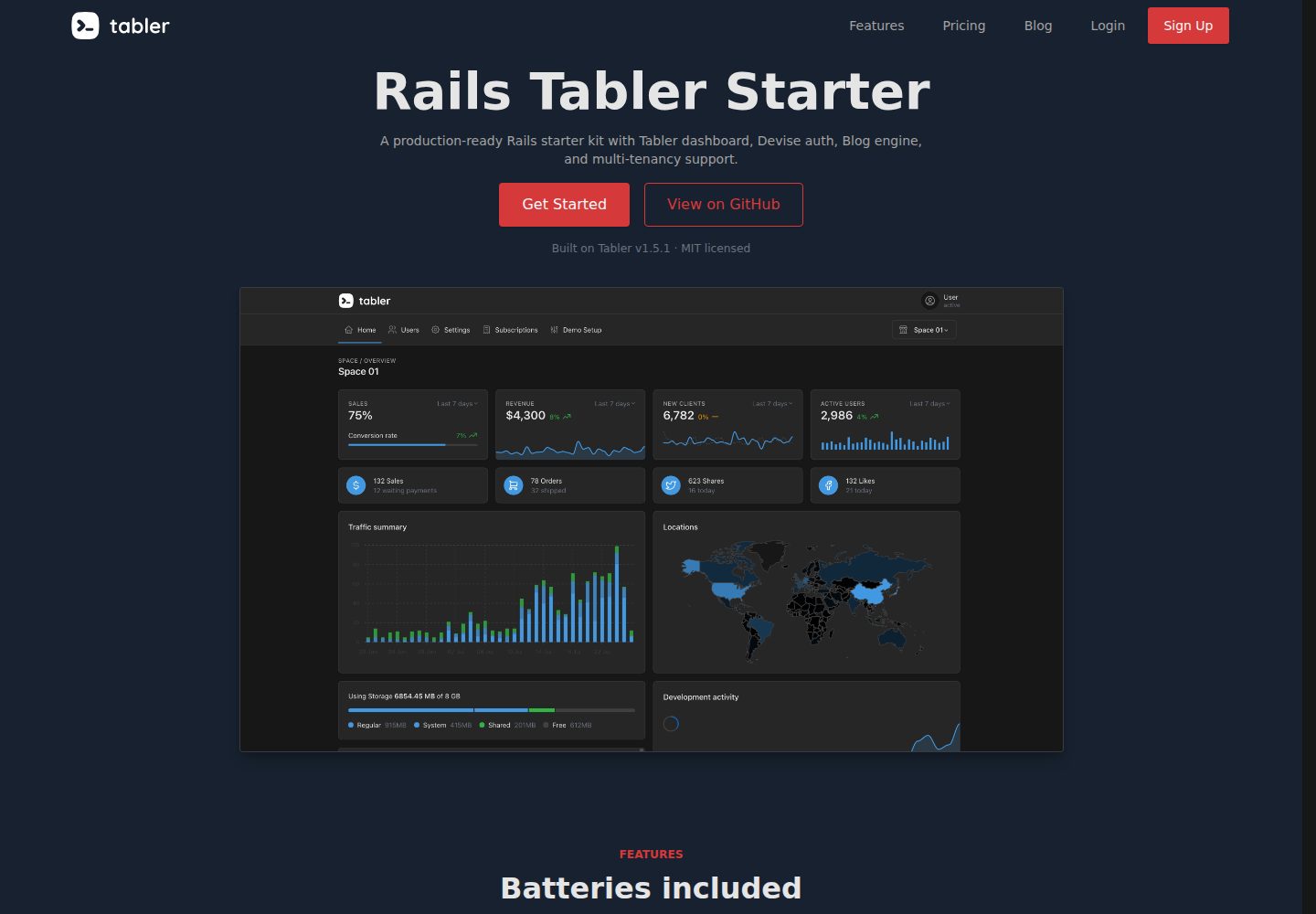
rails-tabler-starter
Free and open source Ruby on Rails starter kit built using Tabler
Rails · 后台
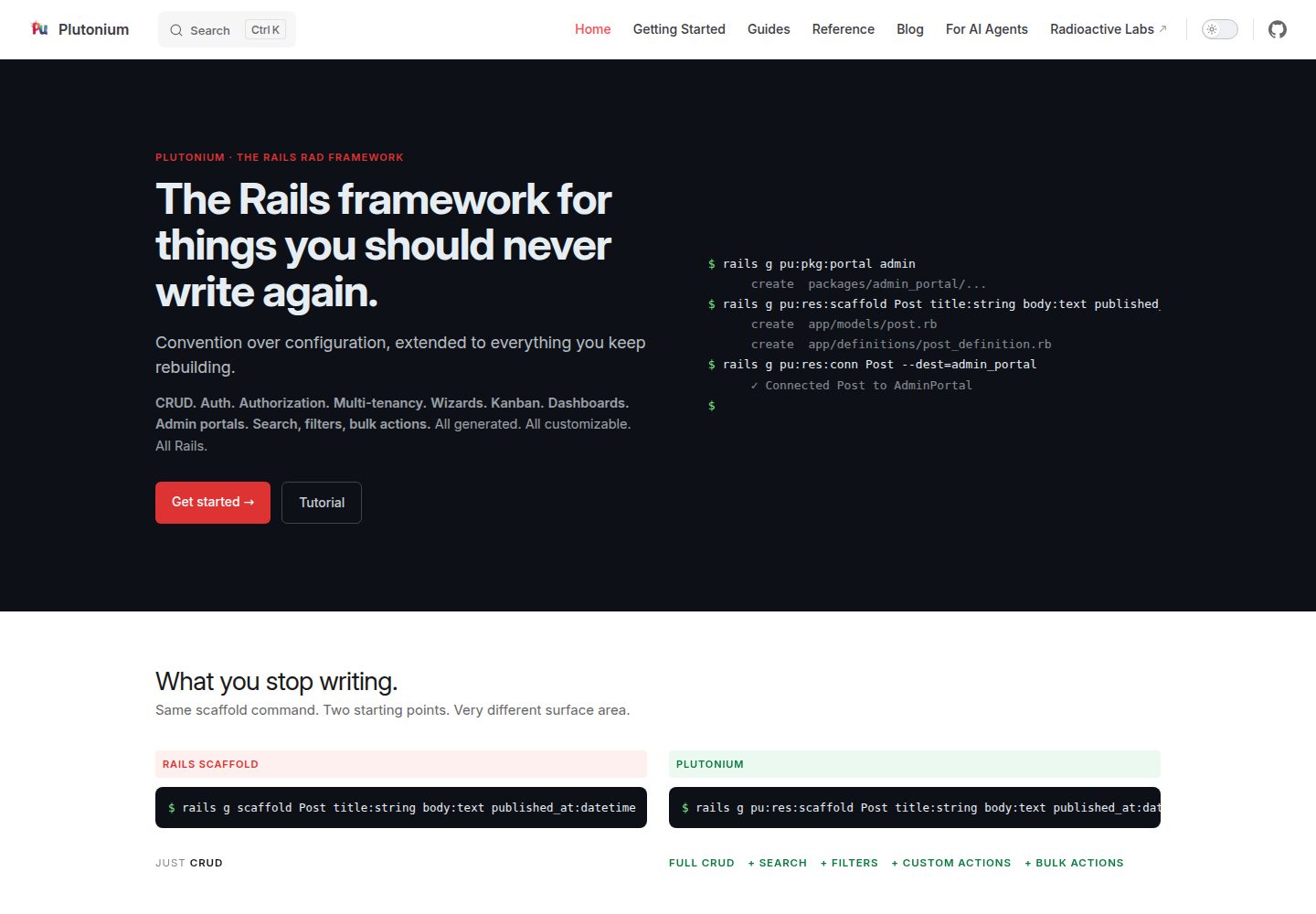
plutonium-core
Build production-ready Rails apps in minutes, not days. Convention-driven, fully customizable, AI-ready.
Rails · 后台
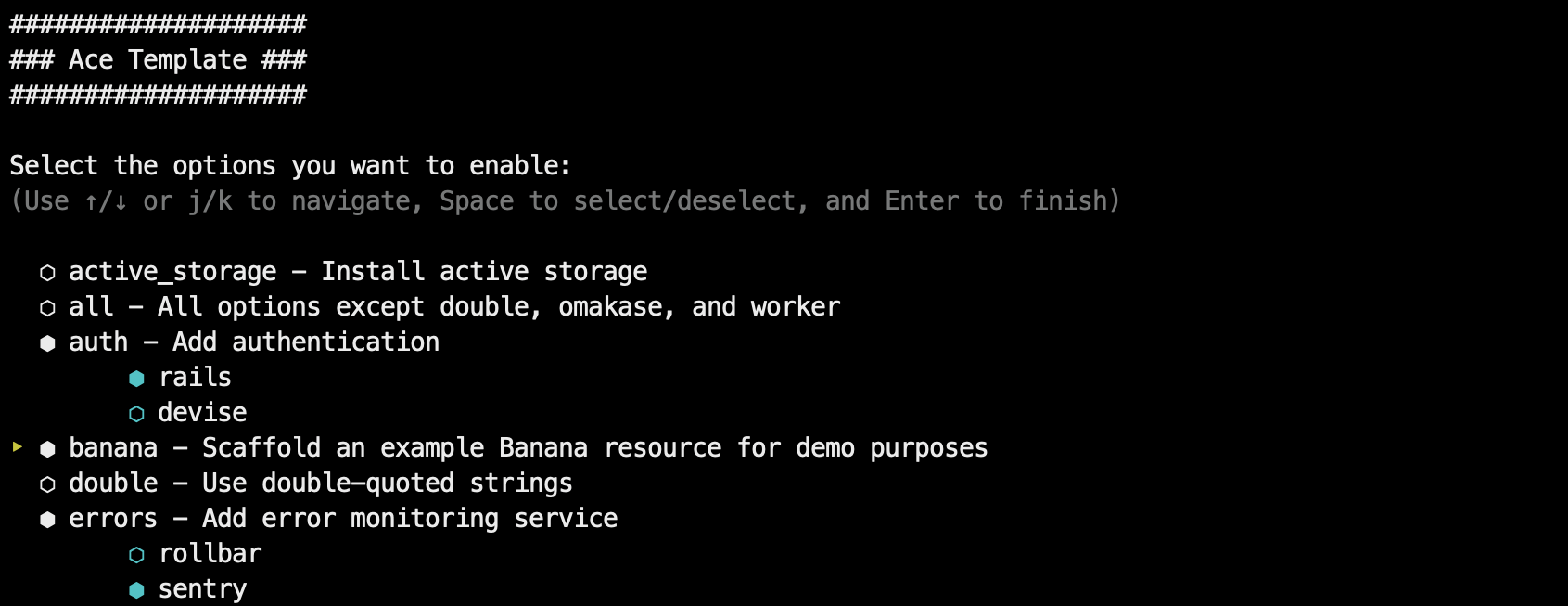
ace-template
Rails 8+ app template. Go from 0 to full-featured deployed app in less than 5 minutes (self-hosted or PaaS)
Rails · 启动器
kern
SaaS starter for Rails apps. Skip the boilerplate and start shipping the actual product.
Rails · SaaS
rails-react-starter
Simple React & Rails starter
Rails · 启动器