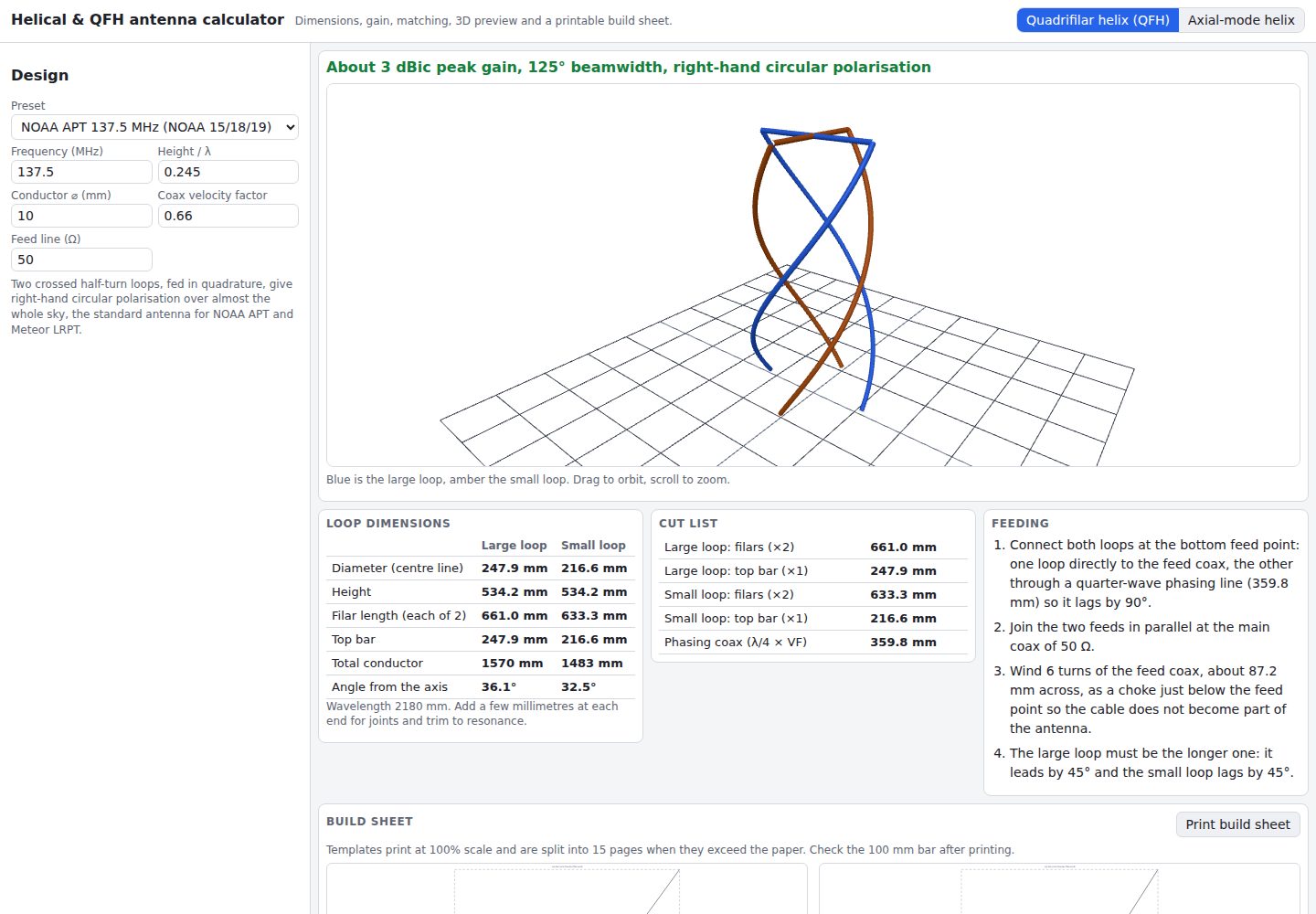
轴向模螺旋按 Kraus 公式计算方向性、波束宽度、轴比与馈电电阻,并提示超出轴向模范围的情况
ViteReact工具站
helical-qfh-calculator — Vite 工具站模板
作者 hermes98761234
在浏览器中计算轴向模螺旋天线(Kraus)与四臂螺旋(QFH)尺寸的 Vite + React 工具,提供 3D 预览和可打印的 1:1 制作模板。
看看你的网站会是什么样
浏览真实页面截图,比较内容排版与手机效果。点击下方缩略图切换,放大查看整页细节。
全部页面与视图 2
截图用于了解视觉与布局,交互效果请以实际项目为准。
采集于 2026-10-10查看来源
值得关注的模板亮点
从已有项目资料中,快速了解它的特点。
QFH 由环长反解大小半圈环直径,输出切割清单、四分之一波长移相同轴线与馈线扼流圈接线步骤
内置四分之一波长匹配段计算:微带(Hammerstad-Jensen)或空气同轴两种形式
Three.js 3D 预览可绕真实几何旋转缩放,并可打印 1:1 包裹模板与地平面圆盘(A4/Letter 平铺,含 100 mm 校验条)
内置 NOAA APT、Meteor-M、GPS L1、Wi-Fi、GOES HRIT 等频段预设,支持英/乌克兰文与毫米/英寸切换
模板详细介绍
这是一个运行在浏览器中的天线设计计算器,面向轴向模螺旋天线(Kraus 公式)和四臂螺旋天线(QFH)两类结构。输入频率、圈数、螺距角、导体与地平面等参数后,工具给出直径、圈间距、导线长度、方向性、半功率与零功率波束宽度、轴比和馈电电阻,并在超出轴向模适用范围时给出提示;同时提供增益—圈数曲线图和按目标增益反算圈数的按钮。QFH 部分由环长反解大、小半圈环的直径,输出馈线长度、顶部横杆长度、切割清单、按速度因子计算的四分之一波长移相同轴线、馈线扼流圈和接线步骤。工具内置匹配段计算,可按 Hammerstad-Jensen 公式给出微带四分之一波长变换器的宽度与长度,或给出空气同轴的 D/d 与长度。预设覆盖 NOAA APT 137.5 MHz、NOAA 19、Meteor-M LRPT、铱星、GPS L1、Inmarsat(QFH)以及 70 cm、Wi-Fi、5.8 GHz FPV、GOES HRIT、2 m(螺旋)。界面使用 Three.js 提供可旋转缩放的 3D 几何预览,并可生成 1:1 比例的包裹模板与地平面圆盘,平铺到 A4 或 Letter 纸张,附 100 mm 校验条。支持英文与乌克兰文、明暗/跟随系统主题、毫米与英寸单位,设置与设计保存在浏览器本地,无后端、无跟踪。README 说明 QFH 的环比例基于常见的 137 MHz 制作方案,属于起点值,建议用分析仪修剪;QFH 显示的约 3 dBic 增益和 125° 波束宽度为典型值而非仿真结果。
ViteReact工具站
适合你的项目吗?
适用场景
- 为 137 MHz 气象卫星接收设计 QFH 天线,获取环尺寸、切割清单和移相同轴线参数
- 设计 70 cm、2 m 或 5.8 GHz 等频段的轴向模螺旋天线,查看增益与圈数关系并反算圈数
- 为已有天线计算微带或空气同轴四分之一波长匹配段尺寸
- 打印 1:1 制作模板,用于绕制螺旋或裁剪地平面圆盘
适合人群
- 需要按公式快速得到螺旋或 QFH 天线初始尺寸的无线电爱好者
- 准备手工制作 137 MHz 气象卫星接收天线的制作者
- 希望用 3D 预览核对几何比例并打印实体模板的人
- 需要同时对比多种频段预设参数的自制天线用户
上手与定制指南
结合仓库当前版本的说明,按下面的资料检查内容、配置与运行要求。
- 1
需要 Node.js 22;克隆仓库后执行 npm install,npm run dev 启动本地开发服务器(默认 http://localhost:5173)
- 2
npm test 运行公式、几何、模板与国际化测试;npm run build 生成 dist/ 静态站点
- 3
仓库采用 MIT 许可,分发代码副本或实质性部分时需保留版权声明与完整 MIT 许可声明
- 4
演示图片、字体、图标等第三方素材需按各自许可单独核对
授权与来源资料
使用条件与限制
免费使用 · 保留许可声明本次收录的是公开仓库中采用 MIT 许可的免费版本;免费范围为该版本代码,不代表外部服务或第三方素材免费。
使用时需要遵守
- 允许免费使用、修改、商用和分发该版本代码。
- 分发代码副本或实质性部分时,保留原作者版权声明和完整 MIT 许可声明。
- 代码按现状提供;担保与责任限制以原许可证及适用法律为准。
额外费用与待核对事项
- 演示图片、字体、图标及其他第三方素材需按各自许可核对,不能仅凭代码的 MIT 许可判断。
- 域名、托管、数据库、支付或 AI 等外部服务可能另外收费。
- QFH 环比例基于常见的 137 MHz 制作方案,仅为起点值,实际制作需用天线分析仪修剪调整。
- QFH 显示的约 3 dBic 增益与 125° 波束宽度为典型经验值,并非仿真计算结果,不应视为精确保证。
查看原文依据
Permission is hereby granted, free of charge
许可证原文
The loop proportions follow the commonly built 137 MHz designs, so treat them as a starting point and trim on an analyser.
README 原文
https://github.com/hermes98761234/helical-qfh-calculator/blob/main/LICENSEhttps://github.com/hermes98761234/helical-qfh-calculator/blob/main/README.mdThe QFH gain and beamwidth shown (about 3 dBic and 125°) are typical values, not a simulation.
README 原文
DeepSeek 根据仓库许可证和 README 整理 ·2026-10-10。结果仅覆盖已读取资料,依赖、图片、字体及后续条款变更以各自原文为准。
项目核对记录与介绍依据
模板资料
- 来源平台
- GitHub
- 资料与维护参考分
- 资料较完整 · 85 / 100
- 技术栈
- Vite · React
- 网站类型
- 工具站
这个分数如何计算
本站按许可资料(最高30分)、演示链接(12分)、预览图(10分)、Star数(15分)、记录的维护时间(15分)、描述完整度(8分)、功能记录(5分)和分类资料(5分)计算。它不是代码、安全或性能测试,也不是 Google 评分;有链接不代表已实测可用。
这个项目需要核对什么
- 记录的仓库更新时间
- 2026-10-10
- 截图检查日期
- 2026-10-10
已收录演示链接。请用你的内容与屏幕尺寸检查;有演示不代表表单、认证或支付已经可用。
目录记录的主要技术栈是 Vite。请通过依赖清单和锁文件核对实际版本与托管要求。这些说明基于收录资料,不代表代码审计或部署实测。
查看具体选型方法 →介绍的制作与核对状态
介绍由 AI 辅助整理目录与仓库资料。仓库作者不等于这篇介绍的审核者。
审核声明: [email protected] · 2026-10-10
查看当时使用的来源资料
SHA-256: ee7317237b2823ddd697542846cae10f78c1455c0fe2e17adcb1562708ef54c4
2026-10-10T06:08:14.400Z
来源文件 / 仓库# Helical & QFH Antenna Calculator Design an axial-mode helical antenna (Kraus) or a quadrifilar helix (QFH) for 137 MHz weather satellites, L-band and beyond. Get the dimensions, gain, beamwidth, feed impedance and a matching section, spin the result in 3D and print a build sheet with full-size templates. Everything runs in your browser. **Try it: [hermes98761234.github.io/helical-qfh-calculator](https://hermes98761234.github.io/helical-qfh-calculator/)** [](https://github.com/hermes98761234/helical-qfh-calculator/actions/workflows/deploy.yml)  ## Features - **Axial-mode helix (Kraus).** Frequency, C/λ, pitch angle, turns, conductor and ground plane give diameter, turn spacing, wire length, directivity, half-power and null-to-null beamwidth, axial ratio and feed resistance, with warnings outside the axial-mode window. A gain-versus-turns chart and an inverse "turns for this gain" button are included. - **Matching section.** Quarter-wave transformer impedance for your feed line, as a microstrip (width and length on your substrate, Hammerstad-Jensen) or as an air coax (D/d and length). - **Quadrifilar helix (QFH).** Large and small half-turn loops solved from the loop length, with diameters, filar and top-bar lengths, a cut list, the quarter-wave phasing coax for your velocity factor, a feed-coax choke and wiring steps. - **Presets.** NOAA APT 137.5 MHz, NOAA 19, Meteor-M LRPT, Iridium, GPS L1 and Inmarsat for the QFH; 70 cm, Wi-Fi, 5.8 GHz FPV, GOES HRIT and 2 m for the helix. - **3D preview** with Three.js: orbit and zoom around the real geometry. - **Printable build sheet.** Wrap templates and a ground-plane disc at 1:1 scale, tiled onto A4 or Letter pages with a 100 mm check bar. - **English and Ukrainian**, light, dark or system theme, millimetres or inches. Settings and your design are kept in the browser. There is no backend and no tracking. ## How it works The helix uses the textbook relations from Kraus, *Antennas*: directivity `D = 15 N (C/λ)² (S/λ)`, half-power beamwidth `52 / ((C/λ) √(N S/λ))`, first-null beamwidth `115 / ((C/λ) √(N S/λ))`, input resistance `≈ 140 C/λ` and axial ratio `(2N+1)/2N`. The pitch angle sets the spacing through `tan α = S/C`. The QFH is two crossed, bifilar half-turn loops. The longer loop leads by 45° and the shorter lags by 45°, which makes right-hand circular polarisation with a wide cardioid pattern. Each loop is a pair of helical filars of length `√(H² + (πD/2)²)` joined by a top bar of length `D`. The calculator solves the diameter that gives the loop conductor length of about 0.725 λ (large) and 0.685 λ (small) at your chosen height, with a small shortening for thick conductors. The loop proportions follow the commonly built 137 MHz designs, so treat them as a starting point and trim on an analyser. The QFH gain and beamwidth shown (about 3 dBic and 125°) are typical values, not a simulation. ## Quick start You need [Node.js](https://nodejs.org/) 22. ```bash git clone https://github.com/hermes98761234/helical-qfh-calculator.git cd helical-qfh-calculator npm install npm run dev # http://localhost:5173 npm test # formula, geometry, template and i18n tests npm run build # static site in dist/ ``` ## License MIT
看看同类模板
对比同技术栈与用途的模板,找到更适合的视觉与内容结构。
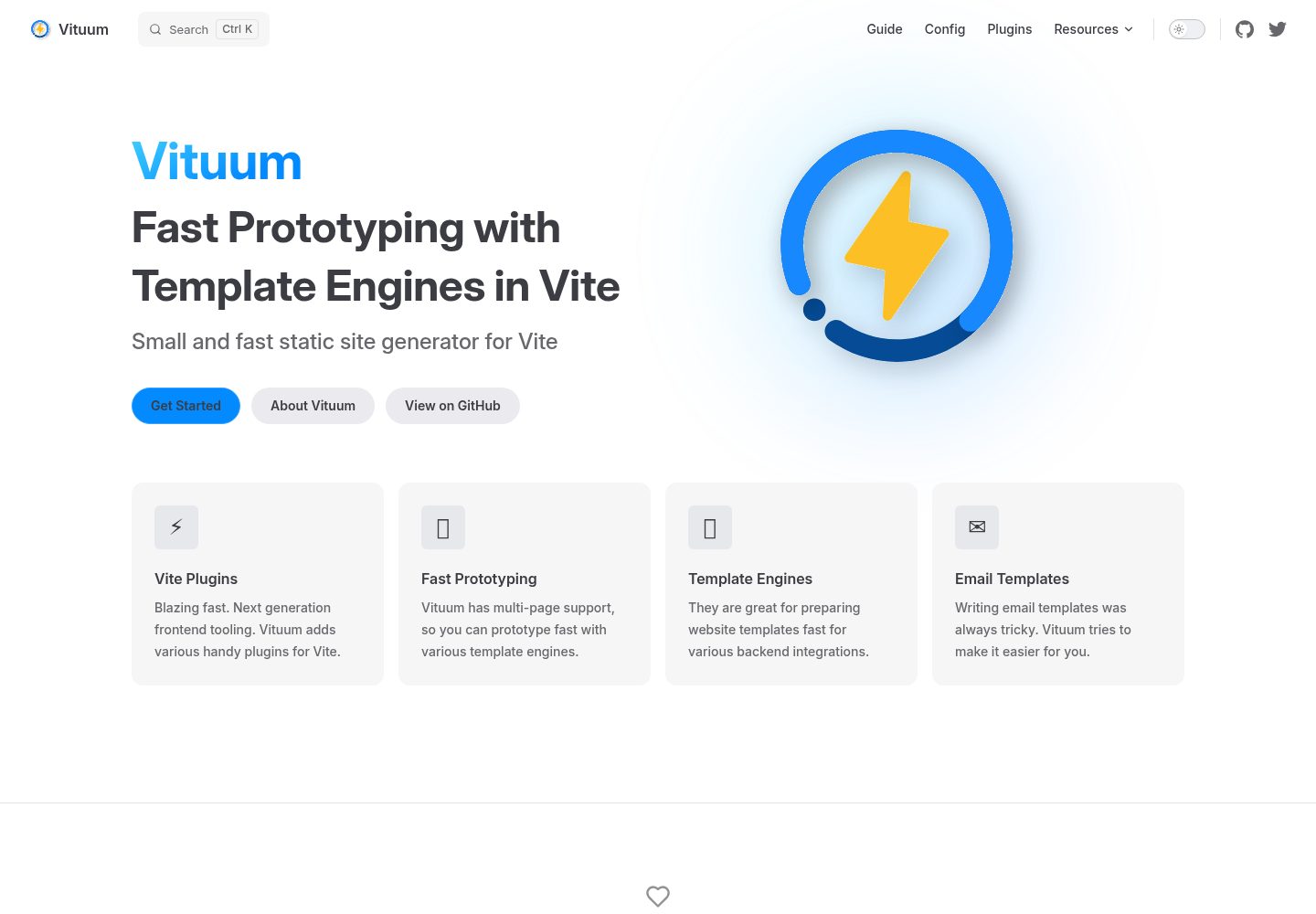
vituum
⚡⚙️ Fast Prototyping with Template Engines in Vite. Small and fast static site generator for Vite.
Vite · 工具站
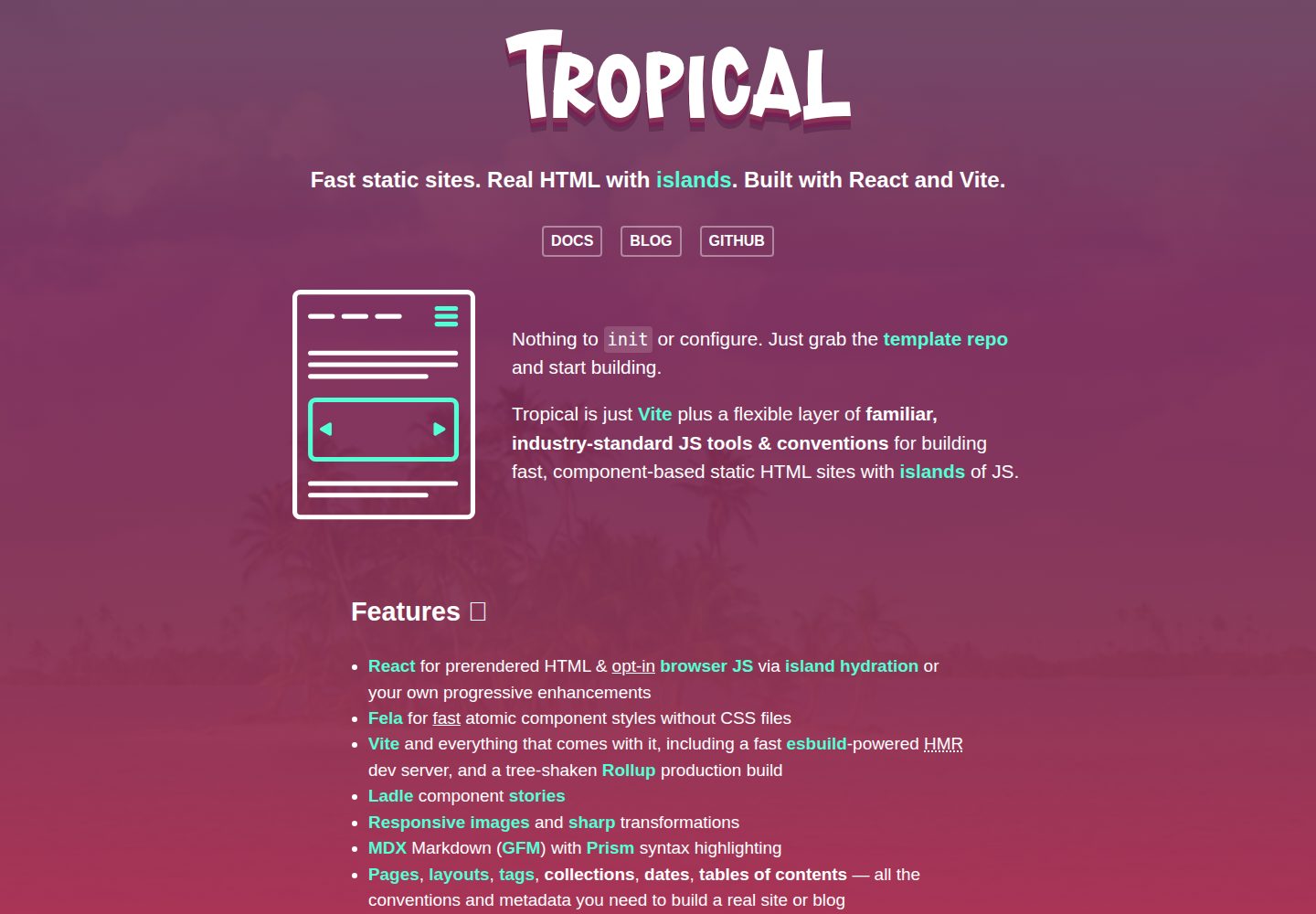
tropical
Fast, mostly-just-HTML static sites with islands of client-side JS. Click the "Use this template" button ↖️
Vite · 工具站
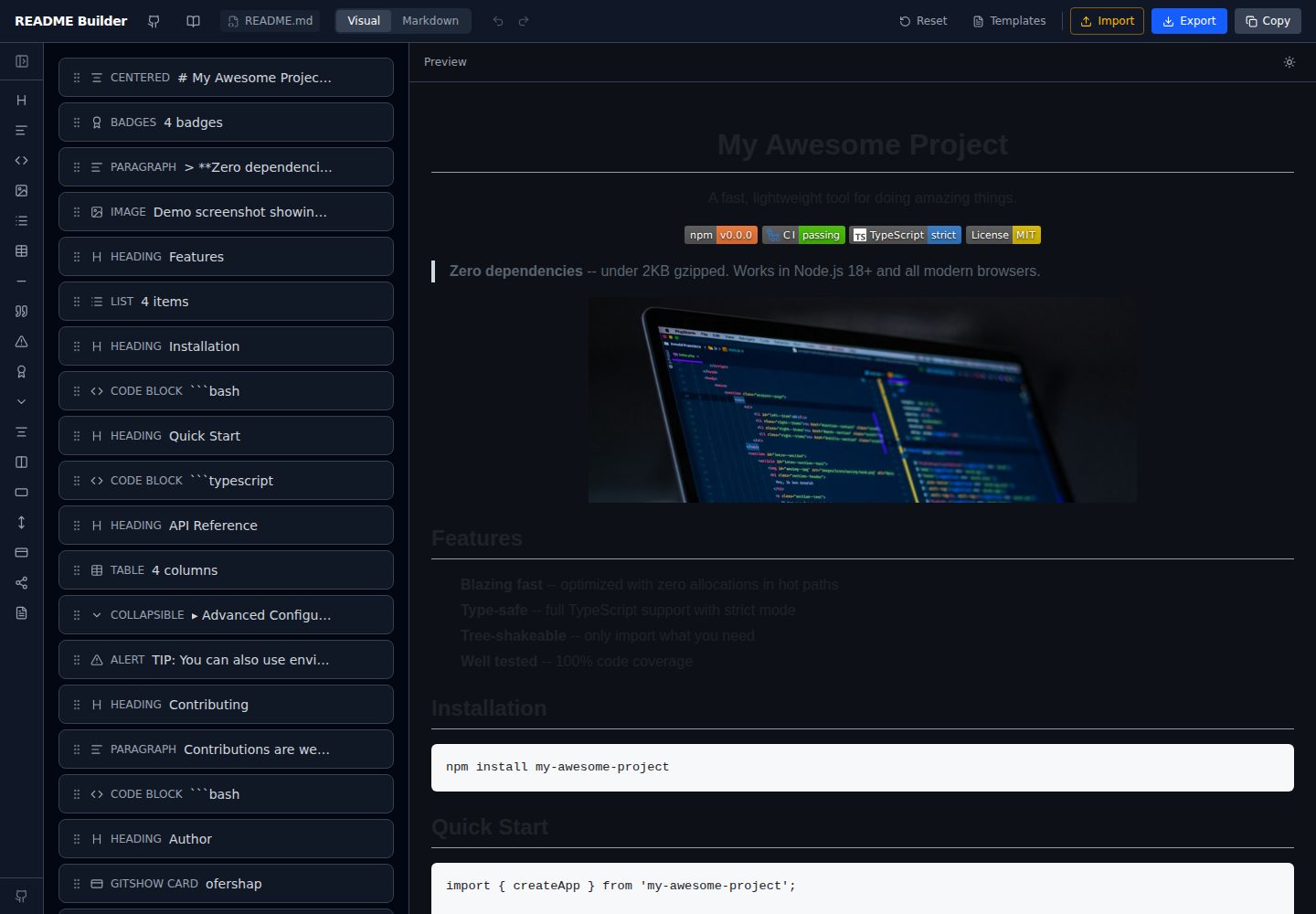
readme-builder
Visual drag-and-drop README editor with live GitHub-flavored preview. SEO-optimized templates, 15+ block types…
Vite · 工具站
examify-json-editor
Examify JSON Editor (React): A user-friendly web tool for creating, editing, and validating Examify JSON quest…
Vite · 工具站

react-currency-converter
A currency converter in React + Vite that works the moment you clone it. Rates are the **official tables publi…
Vite · 工具站
stacks
House project templates and the zero-dependency generator that stamps them out. Subtractive: each template is …
Vite · 工具站